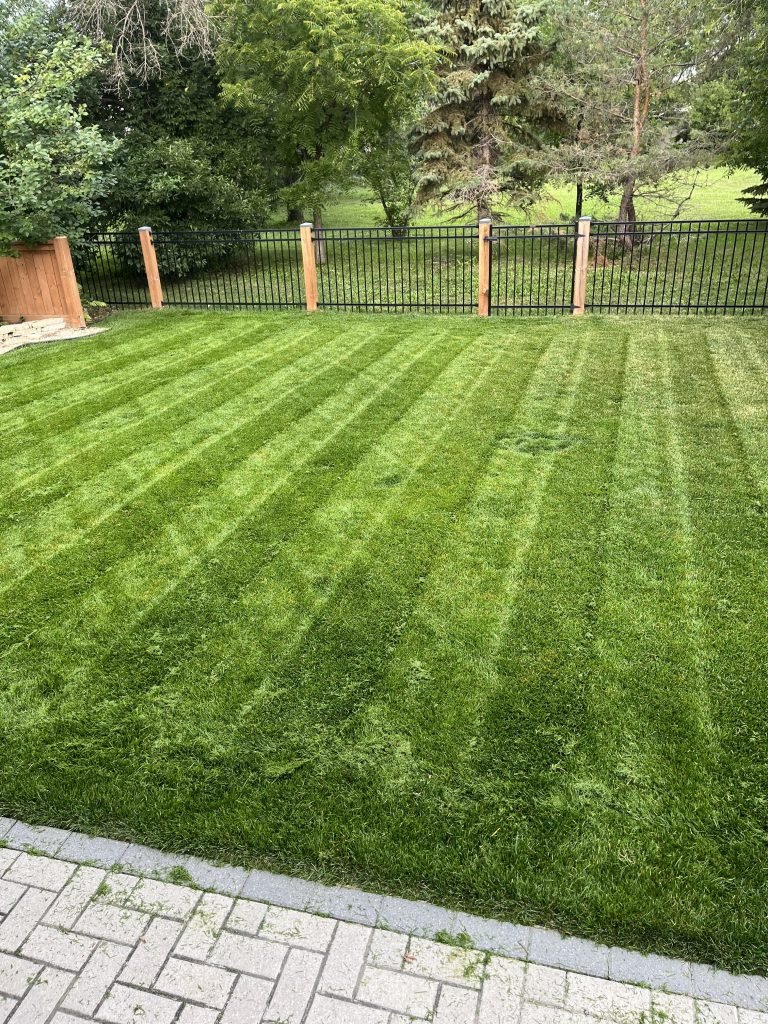
Have you ever admired those perfectly striped lawns that look like they belong on a golf course? You might be wondering if you can achieve that same look during the summer months.
The truth is, striping your lawn in summer is possible, but it comes with some important tips and tricks you need to know. If you want your grass to stay healthy and your stripes to stay sharp, keep reading. This guide will help you get the best results without harming your lawn under the hot sun.
Ready to transform your yard into a striped masterpiece? Let’s dive in!

Credit: www.yahoo.com
Benefits Of Lawn Striping
Lawn stripingcreates a neat and attractive look for your yard. The alternating light and dark stripes catch the eye. This boosts your home’s curb appeal, making it look well cared for. Stripes give a fresh and professional finish to your lawn.
Striping also helps grass grow healthier. Rolling the lawn improves soil contact with seeds and fertilizer. It encourages grass blades to grow upright, giving a thicker and greener lawn. This gentle pressure can reduce weeds and pests by promoting strong grass.
Challenges Of Summer Lawn Striping
Heat stresscan make grass weak and dry during summer. The grass blades may get scorched by the hot sun. This can cause the stripes to look patchy or faded. Mowing too short or striping too often can add to the stress. Watering the lawn deeply before striping helps reduce damage. Early morning or late evening are the best times to stripe. This avoids the hottest part of the day.
| Soil Moisture Level | Effect on Lawn Striping |
|---|---|
| Too Dry | Grass gets brittle and stripes may break or fade |
| Well Moisturized | Grass bends easily, creating clear and sharp stripes |
| Too Wet | Soil compacts and stripes can look uneven or messy |
Best Grass Types For Summer Striping
Warm-season grassesthrive in hot weather and are perfect for summer striping. These grasses grow actively in the heat, making the stripes clear and bold. Common types include Bermuda grass, Zoysia grass, and St. Augustine grass. They handle drought well and recover quickly from mowing.
Cool-season grassesgrow best in cooler weather but can survive summer with care. They might go dormant or brown in heat, making striping less visible. Popular cool-season grasses are Kentucky bluegrass, Fescue, and Ryegrass. Watering and mowing timing help keep their stripes neat during summer.
Timing And Frequency Tips
Mow your lawn every few days for a neat stripe effect. Water early in the morning to keep grass fresh.
Optimal Mowing Schedule
Mowing your lawn is important in summer. Cut grass every 5-7 days. This keeps your lawn healthy and neat. Grass should not be cut too short. Leave it a bit longer to protect from the heat.
Avoiding Peak Heat Hours
Mow early in the morning or late in the evening. This helps avoid the hottest times of the day. Grass can get stressed if cut during hot hours. Early or late mowing is better for your lawn. It keeps it looking fresh and green.
Mowing Techniques For Stripe Patterns
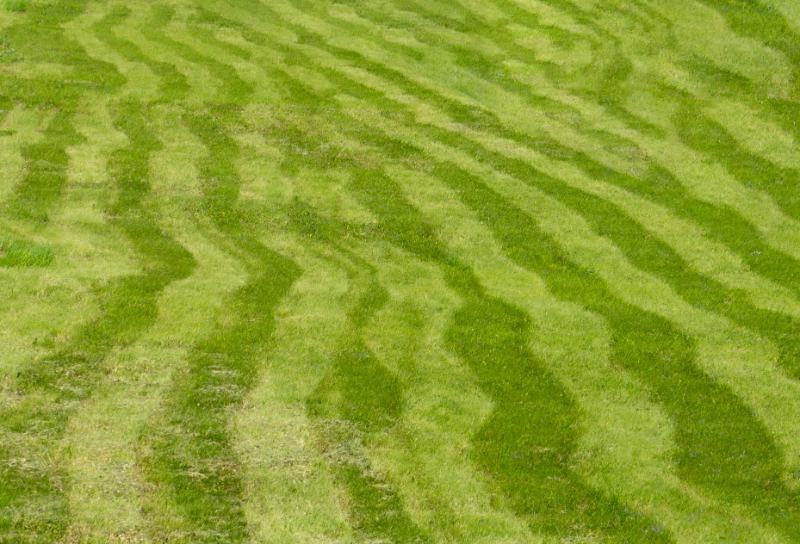
Creating straight lines in your lawn stripes needs careful mowing. Choose a fixed point in the distance. Drive the mower in a straight path towards it. This helps keep lines clean and sharp. Overlapping slightly on each pass avoids gaps.
Roller attachments help press grass blades down. This creates a contrast between light and dark stripes. The grass bent towards you looks darker. Grass bent away appears lighter. Rollers work best on thicker, healthy grass.
- Attach the roller firmly to the mower.
- Move slowly for better pressure on grass.
- Turn carefully to avoid breaking the stripe pattern.
- Use rollers after mowing for best effect.

Credit: www.youtube.com
Watering Strategies To Support Striping
Deep wateringhelps grass roots grow strong and deep. It means watering less often but for a longer time. This keeps the lawn healthy and green during hot summer days.
Frequent wateringwith little water makes the grass roots shallow. This can cause the lawn to dry out faster and look dull. It also wastes water.
Choose deep watering to support striping patternsand keep grass firm. It helps stripes stay clear and sharp.
| Best Time to Water | Reason |
|---|---|
| Early morning (before 10 AM) | Water absorbs well and grass dries fast |
| Late afternoon (after 4 PM) | Less water loss to evaporation |
Avoid watering at midday. Hot sun causes quick water loss and weak grass. Morning watering is best for striping and lawn health.
Common Mistakes To Avoid
Mowing too shortcan stress your lawn during hot summer days. Cutting grass too low weakens roots and exposes soil. This can cause dry patchesand weeds to grow. It is best to keep the grass a bit longer to help it stay cool and healthy.
Ignoring soil healthharms your lawn’s growth and appearance. Soil needs nutrients and good structure for grass roots. Without care, soil can become hard and dry. This makes it hard for water and air to reach roots. Testing soil and adding compost or fertilizer helps keep it healthy.
Tools And Equipment Recommendations
Choosing the right mower is key for a striped lawn in summer. A mower with a roller on the back helps press the grass down to create stripes. Reel mowers or rotary mowers with rollers work best. Make sure the mower blade is sharp for clean cuts. Dull blades can tear grass, making stripes less clear.
Additional accessories improve the stripe effect. Lawn rollers press grass blades flat for a better pattern. A lawn striping kit can attach to most mowers. It bends grass blades in different directions, showing light and dark stripes. Using these tools together can give your lawn a neat, professional look.
Credit: www.lawnstarter.com
Frequently Asked Questions
Can You Stripe Lawn In Hot Summer Months?
Yes, you can stripe your lawn in summer. However, avoid peak heat hours to prevent grass stress. Water your lawn well before and after striping for best results.
What Grass Types Show Best Stripes In Summer?
Cool-season grasses like fescue and ryegrass show clear stripes. Warm-season grasses like Bermuda also stripe well but need proper care during summer heat.
How Often Should You Stripe Lawn In Summer?
Stripe your lawn every 1-2 weeks in summer. Frequent striping can stress grass, so allow recovery time between sessions.
Does Striping Damage Lawn During Summer Heat?
If done carefully, striping does not harm your lawn. Avoid cutting too short and keep mower blades sharp to prevent grass damage.
Conclusion
Stripping your lawn in summer can keep it healthy and neat. Water your grass well before and after mowing. Use sharp mower blades for clean, crisp stripes. Avoid cutting too short to prevent stress on grass. Watch for dry spots and adjust care as needed.
Regular lawn care helps maintain green, striped patterns. Enjoy the beauty of a well-kept summer lawn. Simple steps make lawn stripping easy and effective.