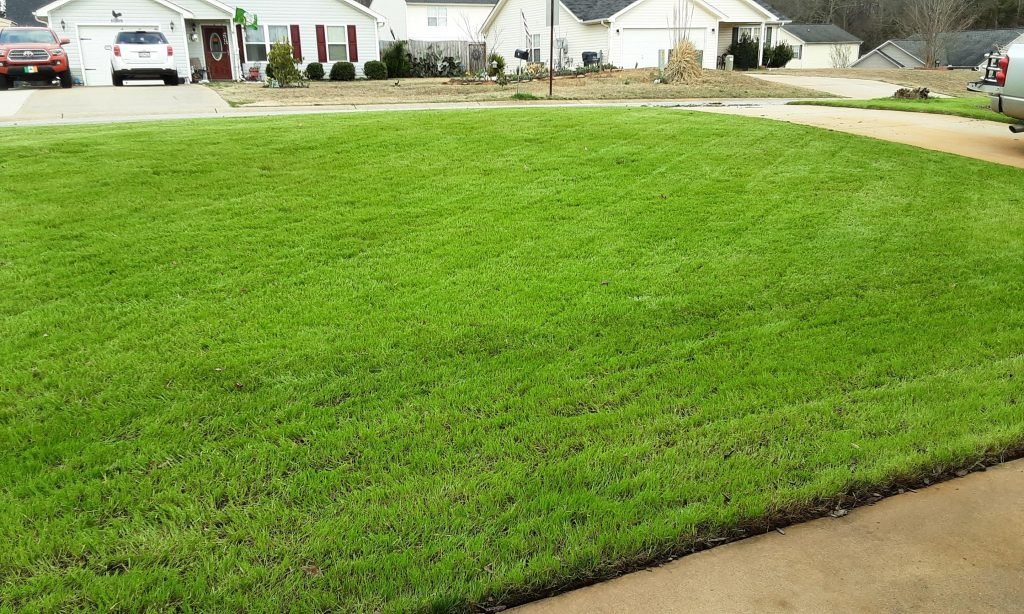
Have you ever wondered if it’s okay to mow your lawn when the weather turns cold? You might be asking yourself if cutting your grass in chilly temperatures can harm your lawn or if it’s just a waste of time.
Knowing the right answer can save you from costly mistakes and keep your yard looking its best all year round. You’ll discover exactly when and how to mow your lawn during cold weather, so you can take care of your grass without worry.
Keep reading to learn the simple tips that will make a big difference for your lawn’s health.
Effects Of Cold Weather On Grass
Cold weatherslows down grass growth. Grass stops growing fast as temperatures drop. The cold makes grass enter a rest phase to save energy. Cutting grass too short in cold times can hurt it.
Different types of grasshandle cold in different ways. Some grasses stay green and grow a bit in cold. Others turn brown and stop growing until warm weather returns.
| Grass Type | Cold Tolerance | Growth in Cold |
|---|---|---|
| Kentucky Bluegrass | High | Slow growth, stays green |
| Bermuda Grass | Low | Goes dormant, turns brown |
| Fescue | Medium | Slow growth, some green |
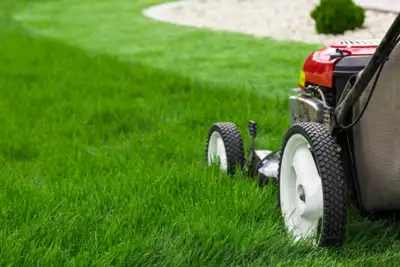
Credit: www.yates.com.au
When To Avoid Mowing
Grass feels hard and stiff when it is too cold to mow. Frost on the grass blades shows it is freezing outside. If the ground is frozen or covered with ice, avoid mowing. Grass that looks brown or dry from cold damage should not be cut.
Mowing during freezing conditions can harm the lawn. It can cause tearingof grass blades and leave open wounds. The mower blades can also damage frozen grass, making it weak. Cutting frozen grass can slow down growth in spring.
| Signs Grass is Too Cold | Risks of Mowing in Freezing Conditions |
|---|---|
| Grass feels hard and stiff | Tearing of grass blades |
| Frost visible on grass | Damage to frozen grass |
| Frozen or icy ground | Slows lawn growth |
| Brown or dry patches | Open wounds on grass |
Best Practices For Mowing In Cold Weather
Ideal mowing heightduring cold months should be slightly higher. Grass needs more leaf surface to catch sunlight and stay healthy. Cutting too short can stress the grass. Keep the mower blade set to about 2.5 to 3 inches. This height protects roots from cold damage and helps grass store energy.
Frequency of mowingshould be reduced as grass growth slows down. Mow only when the grass is dry and grows more than half an inch. Usually, mowing once every 2 to 3 weeks works well in cold weather. Avoid frequent cutting to prevent weakening the grass.
| Equipment Tips | Details |
|---|---|
| Check blades | Use sharp blades to avoid tearing grass, which can cause disease. |
| Clean mower | Remove grass clippings to prevent clogging in cold, wet conditions. |
| Use proper fuel | Choose winter-grade fuel for gas mowers to ensure smooth starts. |
| Store properly | Keep equipment in a dry place to avoid rust and damage. |
Alternative Lawn Care In Cold Seasons
Cold weather slows grass growth, so mowing is rarely needed. Cutting frozen grass can harm your lawn and mower. Instead, focus on clearing debris and protecting your grass during winter months.
Fertilizing And Soil Care
Cold seasons need special care for lawns. Fertilizing helps grass stay strong. Use a winter-friendly fertilizer. It gives nutrients even in snow. This keeps the soil healthy. Also, check the soil’s pH level. It should not be too acidic. A balanced soil helps grass grow well.
Watering Guidelines
Watering in cold weather is tricky. Too much water can freeze. It can hurt the grass. Water only on warmer days. Early morning is best. It allows water to soak in before it gets too cold. Make sure the soil is not dry. This helps grass survive the cold.
Protecting Grass From Frost Damage
Frost can damage grass easily. Cover your lawn with a light sheet. This protects it from frost. Avoid walking on frosted grass. It can break the blades. Trim the grass a bit longer. Longer grass keeps warmth better. This helps prevent frost damage.
Signs Of Lawn Stress In Cold Weather
Cold weathercan cause stress to your lawn. Grass may turn brown or yellow. You might see patchy spotswhere grass looks dead or thin. The grass blades can become brittle and dry. Sometimes, the lawn feels soft or mushy due to frost damage.
Look closely at the grass tips for signs of frostbite. Grass might also grow slower or stop growing altogether. These signs mean your lawn is struggling in the cold.
- Remove dead grass and debris gently
- Water the lawn lightly to keep roots moist
- Apply a thin layer of mulch to protect roots
- Avoid heavy foot traffic on frozen grass
- Use a lawn rake to aerate and improve soil

Credit: au.mowrator.com

Credit: www.searshomeservices.com
Frequently Asked Questions
Can You Mow Lawn During Cold Weather?
Yes, you can mow your lawn when it’s cold, but avoid mowing if the ground is frozen or frosty. Use a higher mower setting to protect grass and reduce stress.
What Is The Best Temperature To Mow Grass?
Ideal mowing temperatures are above 40°F (4°C). Mowing below this can damage grass and soil, so wait for warmer days.
How Does Cold Weather Affect Lawn Mowing?
Cold weather slows grass growth, so mowing frequency decreases. Mowing in cold can damage blades and cause uneven cuts.
Should You Mow Wet Grass In Cold Weather?
Avoid mowing wet grass, especially when cold. Wet grass blades clump and cause mower clogging, leading to poor cuts and lawn damage.
Conclusion
Mowing the lawn in cold weather needs care and timing. Grass grows slower in cold months. Cutting too short can harm the lawn. Choose a dry day and use sharp blades. Check the mower for any issues before starting. Avoid mowing if the ground is frozen or wet.
Keep your lawn healthy by mowing only when needed. This helps grass survive winter better. Taking simple steps keeps your yard looking neat all year. Stay patient and gentle with your lawn during cold seasons.





