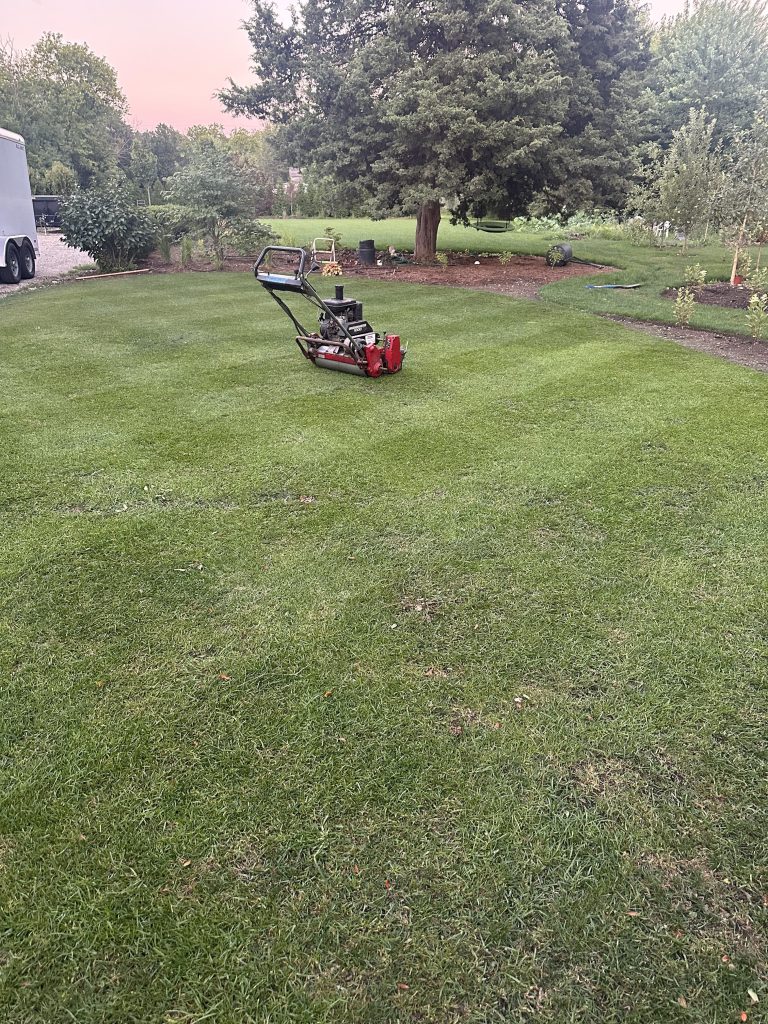
Are you wondering if you can mow your Kentucky Bluegrass short without damaging it? Knowing the right mowing height is key to keeping your lawn healthy and looking great.
Cutting your grass too low can stress the plants, while leaving it too tall might invite weeds and pests. You’ll discover the best mowing practices for Kentucky Bluegrass, so you can keep your lawn green, thick, and strong all season long.
Keep reading to learn exactly how short you should mow and why it matters for your yard’s health.

Credit: www.reddit.com
Ideal Height For Kentucky Bluegrass
Kentucky Bluegrassgrows best at a height of about 2.5 to 3.5 inches. Cutting it too short can stress the grass and make it weak. Keeping it at this height helps the grass stay healthy and green.
Recommended Cutting Lengthis usually around 3 inches. This length protects the roots and helps the grass keep moisture. It also stops weeds from growing too fast.
Cutting Kentucky Bluegrass too short can cause several problems:
- Roots become shallow and weak.
- Grass dries out quickly in hot weather.
- More weeds get a chance to grow.
- The lawn looks patchy and brown.

Credit: www.reddit.com
Benefits Of Proper Mowing Height
Proper mowing heighthelps Kentucky Bluegrass stay healthy and strong. Cutting grass too short can harm its health by making it weak and dry. Keeping the grass at the right height boosts root growth. Strong roots hold water and nutrients better, helping the grass survive heat and drought.
Mowing at the right height also stops weeds from growing. Taller grass blocks sunlight, which weeds need to grow. This means fewer weeds and less work for you. Healthy grass looks green and thick, making your lawn beautiful and soft to walk on.
Risks Of Mowing Kentucky Bluegrass Too Short
Mowing Kentucky Bluegrass too shortcan cause serious problems. It puts extra stresson the grass. The blades become weak and less able to grow. This stress can slow down recovery and make the lawn look bad.
Short mowing makes the grass more open to diseases. Pathogens find it easier to attack thin grass. The lawn needs more care to avoid infections and fungus growth.
Cutting too short often causes thinning and bare spots. Grass roots shrink and die. This leaves patches where no grass grows. Bare spots attract weeds and pests, making lawn care harder.
Best Mowing Practices For Kentucky Bluegrass
Kentucky Bluegrass likes to be cut often. Mow it every 5 to 7 days. This keeps it healthy and strong. Short grass helps prevent weeds. Avoid cutting more than one-third of the grass blade. This can make the grass unhappy and weak.
Sharp blades are important. They cut grass cleanly and easily. Dull blades tear the grass. This can hurt the grass and make it brown. Check and sharpen your mower blades often. This keeps your lawn looking its best.
Change your mowing pattern each time. This helps your grass grow straight. It also prevents soil compaction. Grass likes to grow in different directions. This keeps it strong and thick. Try mowing in stripes, circles, or diagonals. Your lawn will look neat and healthy.
Seasonal Mowing Tips
Spring and Summer Carerequires mowing Kentucky Bluegrass at about 2.5 to 3 inches tall. Cutting too short stresses the grass and allows weeds to grow. Keep your mower blades sharp for a clean cut. Water deeply but less often to encourage strong roots. Mow regularly to avoid cutting more than one-third of the grass height at once. This helps the grass stay healthy and green through warm months.
Fall Mowing Adjustmentsmean gradually lowering the mowing height to about 2 inches. This helps prepare the grass for winter and reduces disease risk. Remove leaves and debris to let sunlight reach the grass. Fertilize to support root growth before the cold weather arrives. Avoid mowing too short as it weakens the grass during winter.
Winter Preparationinvolves stopping mowing when grass growth slows down. Clear the lawn of leaves and sticks to prevent mold. Avoid walking on frozen grass to protect blades. Keep the grass a bit longer to act as insulation against cold. Proper care now leads to a healthier lawn in spring.
Additional Lawn Care Tips
Water Kentucky bluegrass deeply but less often. This helps roots grow strong. Aim to water about 1 inch per week. Morning watering is best to avoid fungus. Avoid watering in the heat of the day.
| Fertilization Time | Type of Fertilizer | Notes |
|---|---|---|
| Early Spring | Slow-release nitrogen | Promotes healthy green growth |
| Late Spring | Balanced fertilizer (NPK 10-10-10) | Supports root and blade health |
| Early Fall | High nitrogen fertilizer | Prepares grass for winter |
Aerate the lawn once a yearto reduce soil compaction. This lets air, water, and nutrients reach the roots. Fall is the best time for aeration. It helps Kentucky bluegrass grow thick and healthy.

Credit: www.reddit.com
Frequently Asked Questions
Can Kentucky Bluegrass Be Mowed Very Short?
Mowing Kentucky Bluegrass very short can stress the grass. It’s best to keep it around 2 to 3 inches tall. Cutting too short weakens roots and invites weeds and diseases. Regular mowing at proper height maintains a healthy, lush lawn.
How Often Should You Mow Kentucky Bluegrass?
Mow Kentucky Bluegrass once a week during the growing season. Frequent mowing encourages dense growth and prevents weed invasion. Adjust frequency based on growth rate and weather conditions. Avoid cutting more than one-third of the grass blade length at a time.
What Is The Ideal Mowing Height For Kentucky Bluegrass?
The ideal mowing height for Kentucky Bluegrass is 2 to 3 inches. This height supports strong roots and helps retain moisture. Mowing too low can cause stress, while too high encourages thatch buildup. Maintaining this height ensures a healthy, green lawn.
Can Mowing Kentucky Bluegrass Too Short Damage It?
Yes, mowing Kentucky Bluegrass too short can damage it. Short cutting stresses the grass, reduces root growth, and exposes soil. This makes the lawn prone to weeds, pests, and drought. Always follow recommended mowing heights for a healthy lawn.
Conclusion
Mowing Kentucky bluegrass too short can stress the lawn. Grass needs enough leaf length to stay healthy. Cutting it short often leads to brown patches and weeds. Keep your mower blade at the right height. Regular, proper mowing helps the grass grow thick and green.
Remember, healthy grass means a stronger lawn. Take care with your mowing habits. Your Kentucky bluegrass will thank you with a lush, vibrant yard. Small changes make a big difference in lawn care.