Are you wondering if you can mow your fine fescue grass short without harming it? You want a lawn that looks neat and healthy, but cutting too low might cause damage.
Understanding the best mowing height for fine fescue is key to keeping your grass strong and green. You’ll discover exactly how short you can safely mow fine fescue and tips to help your lawn thrive all season long. Keep reading to learn how to get the most from your lawn care routine.
Fine Fescue Basics
Fine fescueis a group of cool-season grasses known for their fine textureand shade tolerance. They grow well in cool, moist climatesand can thrive in poor soilconditions. Fine fescue includes species like creeping red fescue, chewings fescue, and hard fescue.
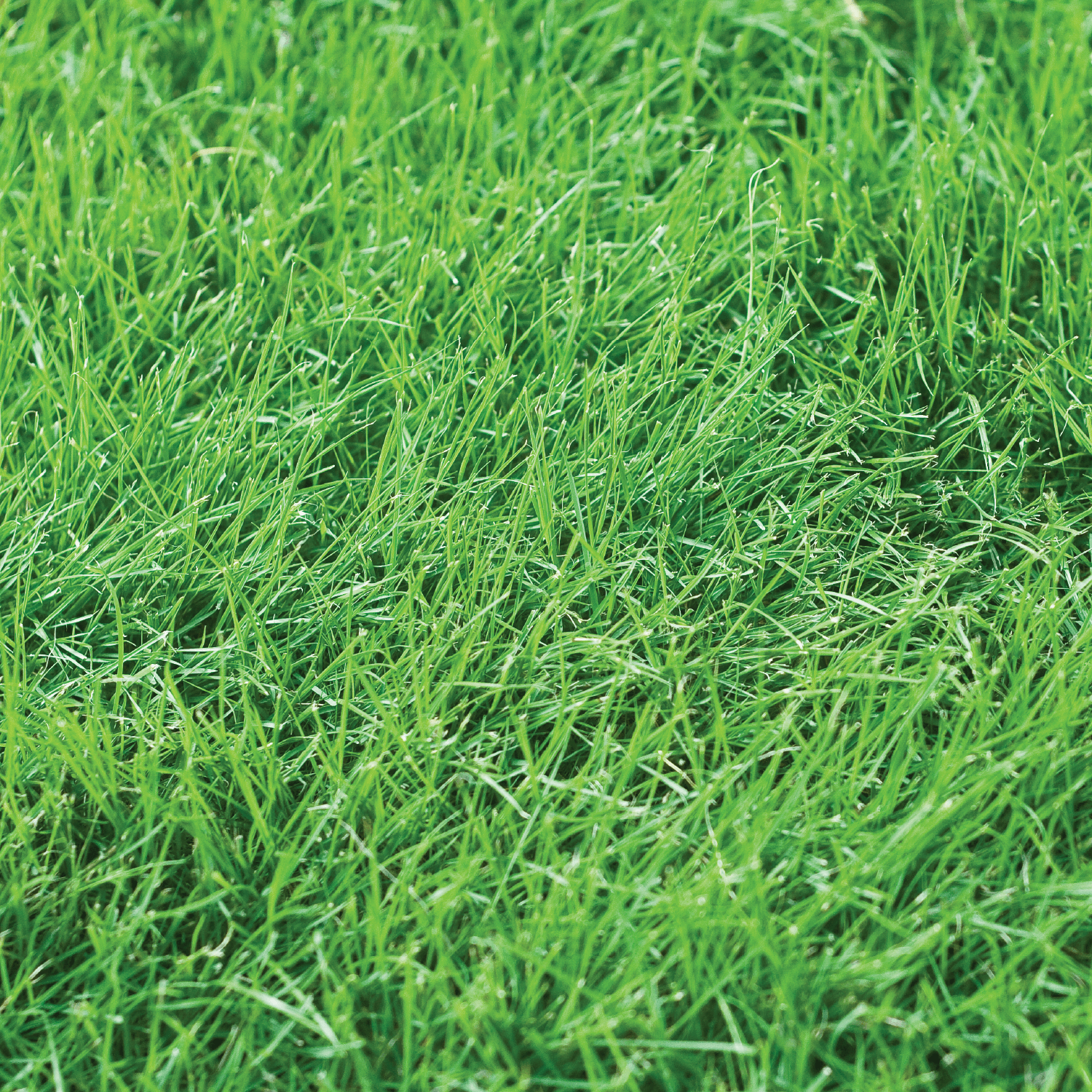
This grass type has thin, needle-like leavesand grows in clumps. It spreads slowly compared to other grasses. Fine fescue is drought tolerantbut prefers shadeand cool temperatures.
| Condition | Ideal for Fine Fescue |
|---|---|
| Soil Type | Well-drained, acidic to neutral soil |
| Sunlight | Partial shade to full shade |
| Water | Moderate moisture, avoid waterlogging |
| Temperature | Cool, temperate climates |
| Mowing Height | 1.5 to 3 inches recommended |
Mowing Height Essentials
Fine fescuelawns do best when cut at the right height. The ideal cutting heightis usually between 1.5 to 2.5 inches. This height keeps the grass healthy and helps it grow strong roots. Cutting too short can make the grass weak. It may not hold water well and can dry out quickly.
Mowing shorter than 1.5 inchescan stress the grass. The grass blades lose their ability to make food. This stress invites weeds and pests to take over. The lawn may turn yellow or brown in patches. It also becomes less able to fight diseases.
| Cutting Height | Effect on Lawn |
|---|---|
| 1.5 to 2.5 inches | Healthy growth, strong roots, good water retention |
| Below 1.5 inches | Weak grass, dry patches, more weeds and pests |
Tools For Mowing Fine Fescue
Mowing fine fescue short can stress the grass and cause damage. Using sharp blades and a reel mower helps keep it healthy and even. Regular trimming at a higher height supports strong growth and a lush lawn.
Best Mower Types
Choosing the right mower is important for fine fescue. Reel mowers are great for this task. They cut grass smoothly without tearing it. Electric mowers are another good choice. They are quiet and easy to use. Gas mowers work too, but they can be heavy. Ensure the mower is set to a higher setting. This helps keep the grass healthy.
Blade Maintenance Tips
- Sharpen blades before each mowing session.
- Check for rust or damage regularly.
- Clean blades after use to remove grass clippings.
- Replace blades if they get dull or chipped.
- Keep spare blades for emergencies.
Mowing Frequency
Fine fescue should be mowed more often during the growing season. Cutting too short can stress the grass. It is best to keep the height between 2 and 3 inches. This helps the grass stay healthy and green.
Seasonal changes affect mowing frequency. In spring and fall, grass grows faster and needs more frequent mowing. During hot summer months, growth slows down. Mowing less often helps the grass survive heat stress.
Signs that the lawn needs mowing include:
- Grass blades taller than 3 inches
- Uneven grass height across the lawn
- Grass starting to flop over or bend
- Visible seed heads forming on the grass
Watering And Fertilizing
Fine fescueneeds careful watering to stay healthy. Water deeply but less often. This helps roots grow strong and deep. Early morning is the best time to water. It reduces water loss from heat and wind. Avoid watering in the evening to stop fungus growth. Check soil moisture to know when to water again. Overwatering can harm the grass.
| Fertilizer Type | Application Time | Notes |
|---|---|---|
| Slow-release Nitrogen | Spring and Fall | Feeds grass slowly and evenly |
| Phosphorus & Potassium | Early Spring | Supports root health and stress resistance |
| Organic Fertilizers | Anytime | Improves soil quality and moisture retention |

Credit: www.reddit.com
Troubleshooting Lawn Issues
Mowing fine fescue short can be tricky. This grass type thrives best at taller heights. Cutting it too short may stress the plants, leading to brown patches or thinning.
Dealing With Thatch
Thatchis a layer of dead grass and roots on the soil surface. Too much thatch blocks water and nutrients. Use a rakeor dethatcher to remove it. This helps the grass breathe and grow better. Avoid removing all thatch; some is healthy. Check the thickness; over half an inch needs removal.
Handling Brown Patches
Brown patchescan appear due to poor watering or disease. Water the lawn deeply but less often. This encourages strong roots. Remove dead grass and spread fresh seed if needed. Check for pests or fungus and treat them quickly. Keep the lawn trimmed but not too short.
Expert Tips For Lawn Perfection
Fine fescue grassprefers a higher cut than other grasses. Mowing it too short can cause stress and damage. Keep the blade height between 2.5 and 3.5 inchesfor best results. Cutting shorter can expose roots to sun and dry out the soil.
Use a sharp mower blade to get a clean cut. Dull blades tear grass, making it prone to disease. Avoid mowing when the grass is wet to prevent clumping and uneven cuts.
- Never remove more than one-third of the grass height at once
- Alternate mowing directions for even growth
- Remove grass clippings if they pile up to avoid smothering
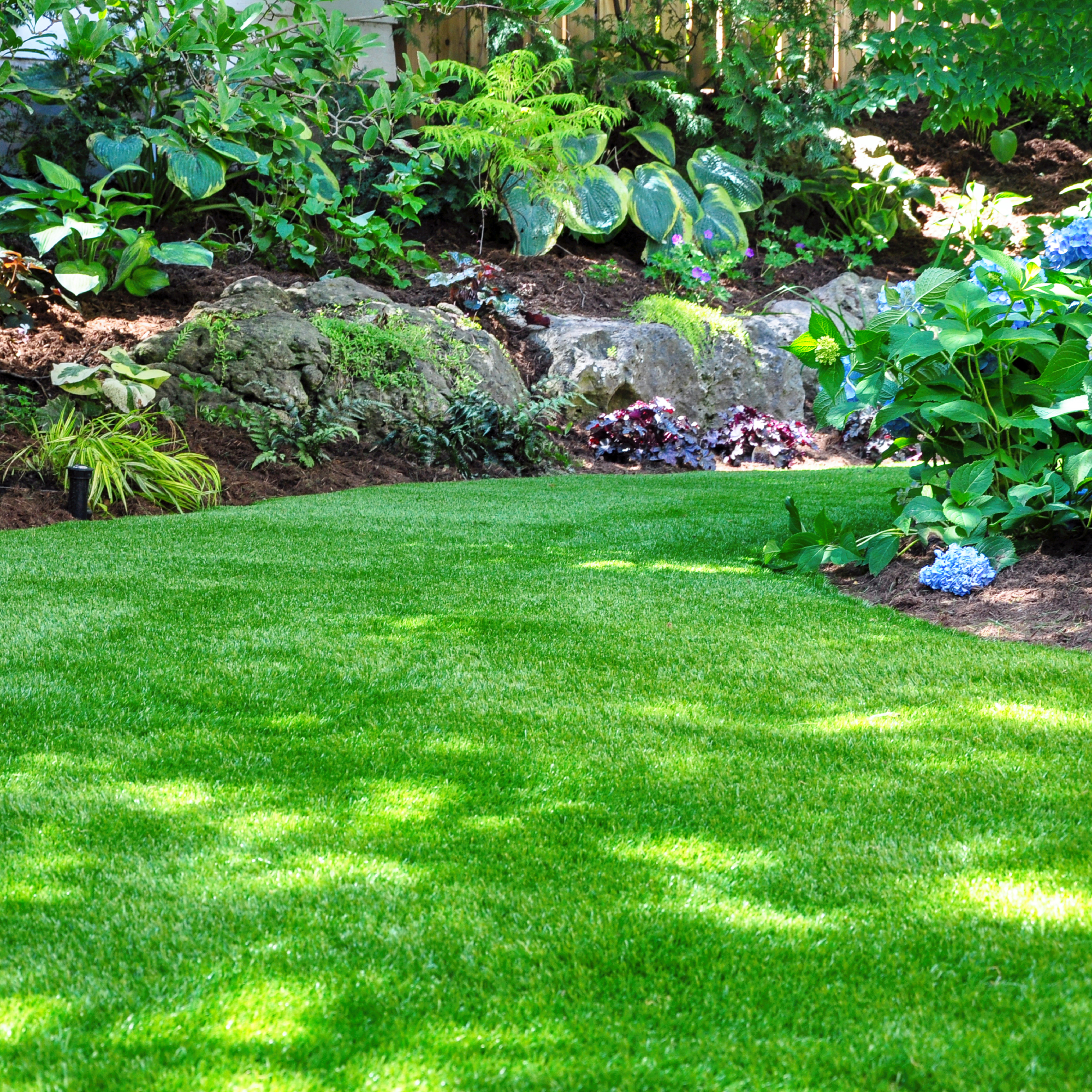
Keeping the grass at a healthy height helps it grow strong roots. This improves drought resistanceand keeps weeds away. Regular mowing and proper height lead to a lush, green lawn.
Credit: www.gardeningknowhow.com
Credit: naturesseed.com
Frequently Asked Questions
Can You Mow Fine Fescue Short Without Damage?
Yes, you can mow fine fescue short, but avoid cutting below 1. 5 inches. Cutting too low stresses the grass and weakens its growth. Regular mowing at the right height keeps fine fescue healthy and dense.
What Is The Ideal Mowing Height For Fine Fescue?
The ideal mowing height for fine fescue is between 1. 5 and 3 inches. This height balances grass health and appearance. Mowing too low can cause stress, while mowing too high may lead to thatch buildup.
How Often Should You Mow Fine Fescue Grass?
Mow fine fescue every 7 to 14 days during the growing season. Frequent mowing promotes dense growth and prevents weed invasion. Adjust frequency based on weather and growth rate to maintain an even lawn.
Can Mowing Fine Fescue Short Improve Lawn Appearance?
Mowing fine fescue short can improve lawn appearance if done correctly. It creates a neat, manicured look but only if the height stays above 1. 5 inches. Cutting too short causes brown patches and weak growth.
Conclusion
Mowing fine fescue short can stress the grass. Keep the blade higher for a healthier lawn. Short cuts may cause brown spots and weeds. Regular mowing helps grass grow strong and green. Adjust mower height to suit your lawn’s needs.
Watch your lawn’s response and change cutting length. Healthy fine fescue means less work and more beauty. Simple care keeps your lawn looking its best.