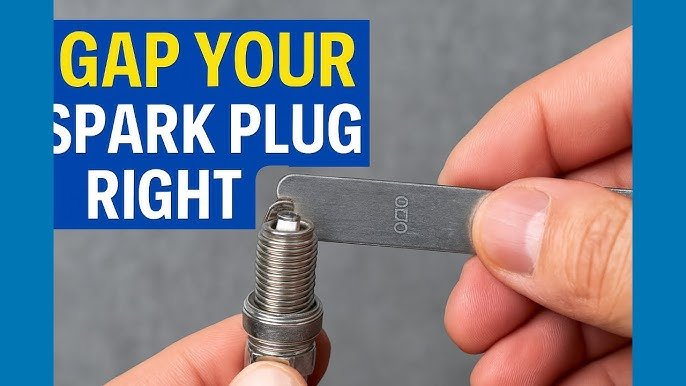
Can you gap iridium spark plugs, or is it a task best left untouched? If you’ve ever popped the hood of your car, you know that maintaining your vehicle can sometimes feel like deciphering a complex puzzle.
Among the myriad of parts, spark plugs are crucial for keeping your engine running smoothly. But when it comes to iridium spark plugs, things can get a bit tricky. You might wonder if adjusting them could enhance performance or if it might lead to unexpected issues.
As you dive into this article, you’ll discover whether gapping iridium spark plugs is a myth or a mechanical necessity. Stay with us, and by the end, you’ll have the confidence to make the best decision for your vehicle’s performance.

Credit: www.theengineeringchoice.com
Benefits Of Iridium Spark Plugs
Iridium spark plugs offer several advantages that can make a noticeable difference in your vehicle’s performance and maintenance needs. If you’re wondering whether investing in iridium plugs is worth it, understanding their benefits can help you decide. These plugs are designed to deliver more than just a simple spark—they bring durability, efficiency, and enhanced engine response to the table.
Durability And Longevity
Iridium spark plugs are built with a fine wire center electrode made from iridium, a metal known for its toughness and high melting point. This means they last much longer than traditional copper or platinum plugs. You won’t need to replace them as often, which saves you time and money on maintenance.
Imagine changing your spark plugs less frequently—how much hassle would that save you on long trips or busy workweeks? Their durability also means fewer misfires and less wear on your ignition system over time.
Improved Fuel Efficiency
One of the biggest benefits of iridium spark plugs is their ability to ignite the air-fuel mixture more efficiently. This leads to a more complete combustion process, which can improve your vehicle’s fuel economy. You might notice you’re filling up your tank less often, which is a direct saving on fuel costs.
Have you ever wondered why some engines seem to sip fuel while others guzzle it? Upgrading to iridium plugs can be a simple, effective step to improve how your engine burns fuel, especially if your current plugs are worn out.
Enhanced Engine Performance
Iridium spark plugs provide a stronger and more consistent spark, which enhances throttle response and smoothens engine operation. This can translate into better acceleration and overall driving experience. You may find your car starts faster and runs more smoothly, especially in cold weather or after long periods of inactivity.
Think about the last time your engine hesitated or struggled during acceleration—could a better spark plug make that problem disappear? Many drivers report noticeable improvements in engine power and responsiveness after switching to iridium plugs.
Why Gap Matters
Understanding why the spark plug gap matters is key to getting the best performance from your engine. The gap affects how efficiently the spark ignites the air-fuel mixture inside the cylinder. If the gap is off, even by a little, it can cause problems that reduce power, fuel efficiency, and overall engine health.
Impact On Ignition
The spark plug gap controls the size of the spark that jumps between the electrodes. A gap that’s too small can create a weak spark, leading to incomplete ignition. On the other hand, a gap that’s too wide forces the ignition system to work harder, which can cause misfires or no spark at all.
I once adjusted the gap on my iridium plugs and noticed my car started smoother and ran quieter. This showed me how critical the right gap is to ignition performance.
Effect On Fuel Combustion
The spark plug gap directly influences how well the air-fuel mixture burns. A properly gapped plug ensures a strong, consistent spark that burns fuel efficiently. This translates to better throttle response, improved mileage, and fewer emissions.
Ignoring the gap can lead to rough idling or sluggish acceleration because the fuel isn’t burning completely. Have you ever felt your car hesitate? The gap might be the silent culprit.
Signs Of Incorrect Gap
- Engine misfires or hesitation during acceleration
- Reduced fuel economy and increased exhaust emissions
- Hard starting or rough idling
- Increased spark plug wear or visible electrode damage
Spotting these signs early can save you from costly repairs. Checking your spark plug gap regularly ensures your engine runs smoothly and efficiently.
Tools Needed For Gapping
Gapping iridium spark plugs requires precise tools to measure the gap accurately. The right tools help avoid damage and ensure optimal engine performance. Several types of gap gauges and measuring tools suit different needs and budgets.
Choosing the correct tool depends on how exact you want the gap and how often you plan to work on spark plugs. Basic tools offer quick checks, while advanced tools provide precise adjustments. Understanding each tool’s use makes gapping easier and safer.
Gap Gauge Types
Gap gauges come in various styles. Some are wire-type, while others use a round or flat blade. Wire gauges are flexible and simple, ideal for quick checks. Blade gauges offer more precise measurements for fine adjustments.
- Wire gap gauges: easy to use and inexpensive
- Blade gap gauges: precise and durable
- Coin-style gauges: simple but less accurate
Using A Feeler Gauge
A feeler gauge is a set of thin metal strips with different thicknesses. Insert the strip that matches the spark plug gap size. The strip should fit snugly without forcing. Adjust the gap by gently bending the electrode if needed.
- Choose the correct thickness from the set
- Insert between the electrodes carefully
- Check for smooth sliding, not tight or loose
Alternative Tools
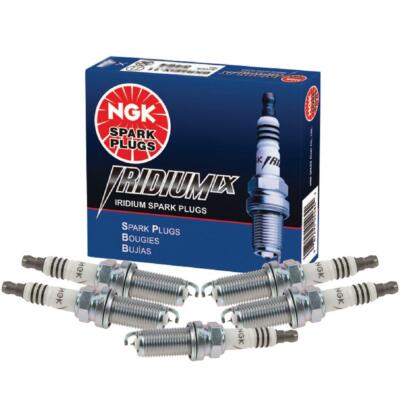
Other tools include gap adjusters and digital gap meters. Gap adjusters help bend the electrode without damage. Digital meters provide quick, accurate readings but can cost more. Some mechanics use feeler gauge kits combined with specialized pliers.
- Gap adjusters: protect electrode during bending
- Digital gap meters: fast and precise measurement
- Combination kits: include multiple tools for convenience
Credit: www.ebay.ca
Step-by-step Gapping Process
Gapping iridium spark plugs is important for the best engine performance. The gap affects how the spark ignites the fuel-air mix. A precise gap ensures smooth starts and efficient running. The process needs care to protect the delicate iridium tip. Follow the steps below to gap your iridium spark plugs properly.
Checking Factory Gap
Begin by inspecting the spark plug’s factory gap. This is the space between the center and ground electrode. Use a spark plug gap tool or feeler gauge for accuracy. The factory gap usually fits most engines but may need adjustment. Note the measurement before making changes. This step prevents incorrect gap settings.
Adjusting The Gap Correctly
Adjust the gap carefully with a gap tool. Gently bend the ground electrode to widen or narrow the gap. Avoid applying force to the center electrode. Aim for the gap size recommended in your vehicle manual. Check the gap again after each adjustment. Repeat until the gap matches the required size exactly.
Avoiding Damage To Iridium Tips
Iridium tips are fragile and expensive to replace. Never tap or hit the tip during gapping. Use only the side electrode for bending. Avoid using pliers or heavy tools on the spark plug. Hold the plug firmly without touching the tip. Handle spark plugs gently to keep the iridium intact and working well.
Common Mistakes To Avoid
Adjusting the gap on iridium spark plugs might seem simple, but many make avoidable mistakes that can affect engine performance. Understanding these common errors helps you maintain your vehicle’s efficiency and avoid unnecessary repairs. Let’s look at some pitfalls you should steer clear of when gapping iridium spark plugs.
Over-gapping And Under-gapping
Setting the gap too wide or too narrow can cause misfires or poor fuel combustion. Over-gapping increases the voltage needed to create a spark, which can lead to weak ignition or no spark at all. On the other hand, under-gapping might cause the spark to be too small, reducing engine power and fuel efficiency.
Have you ever noticed rough idling or hesitation while accelerating? These could be signs that your spark plugs are not gapped correctly. Use a precise feeler gauge and follow the exact gap specification from your vehicle’s manual to avoid these issues.
Using Excessive Force
Applying too much force when adjusting the gap can damage the delicate iridium tip. Iridium plugs are designed for durability, but their fine electrodes are still vulnerable to bending or cracking. I once tried bending the gap with pliers, and the electrode snapped, forcing me to replace the plug sooner than expected.
Always use a proper spark plug gap tool that allows gentle adjustments. Avoid twisting or pushing hard, and make small changes while checking the measurement frequently. This careful approach protects the plug and ensures consistent performance.
Neglecting Manufacturer Recommendations
Ignoring the manufacturer’s gap specifications can lead to poor engine performance and even damage. Each engine is designed with specific gap requirements based on combustion chamber size and ignition system. Using a generic gap setting “because it worked on another car” is a risky shortcut.
Check your owner’s manual or the spark plug packaging for the exact gap measurement. If the information isn’t clear, consult a mechanic or trusted source before making adjustments. Following the recommended gap keeps your engine running smoothly and prevents costly mistakes.
Maintenance Tips For Iridium Plugs
Iridium spark plugs require proper care to ensure lasting performance. Regular maintenance keeps your engine running smoothly and improves fuel efficiency. Simple checks and cleaning extend the life of these high-quality plugs.
Regular Inspection Intervals
Check iridium spark plugs every 30,000 miles or as recommended by the manufacturer. Look for signs of wear, such as erosion or buildup on the electrodes. Early detection of problems prevents engine misfires and poor performance.
Cleaning Techniques
Use a soft brush or cloth to remove carbon deposits gently. Avoid harsh abrasives that can damage the iridium tip. Compressed air can help clear out dirt from tight spaces without scratching.
When To Replace
Replace iridium spark plugs if you notice cracks, heavy deposits, or electrode wear. Also change plugs if the engine misfires persist after cleaning. Follow the vehicle’s manual for the recommended replacement schedule.
Performance Impact Of Proper Gapping
Properly gapping iridium spark plugs can dramatically affect your engine’s performance. The gap size controls the spark’s strength and consistency, which directly influences how your engine runs. Ignoring this small detail can lead to rough starts, wasted fuel, and even lower horsepower.
Smoother Engine Start
A correctly gapped iridium spark plug ensures a strong, consistent spark at ignition. This makes starting your engine easier and faster, especially in cold weather. If you’ve ever struggled with a sluggish start, adjusting the gap might be the simple fix you need.
Reduced Emissions
Proper gapping helps the engine burn fuel more completely. This reduces unburned fuel particles that turn into harmful emissions. You’re not only improving your vehicle’s efficiency but also helping the environment with fewer pollutants.
Optimized Power Output
The right gap size means the spark ignites the air-fuel mix perfectly, giving your engine maximum power. Too wide or too narrow a gap can cause misfires, reducing acceleration and throttle response. Have you noticed a drop in your car’s power? Checking your spark plug gap could be the answer.

Credit: www.impreza5.com
Frequently Asked Questions
Can Iridium Spark Plugs Be Gapped?
Yes, iridium spark plugs can be gapped. However, they come pre-gapped from the factory. Adjust gaps carefully to avoid damaging the fine iridium tip.
How To Gap Iridium Spark Plugs Correctly?
Use a precise spark plug gap tool to adjust. Measure the gap to your vehicle’s specifications. Avoid excessive force to protect the iridium electrode.
Does Gapping Iridium Plugs Improve Engine Performance?
Properly gapping iridium plugs ensures optimal spark and combustion. This can improve fuel efficiency and engine power. Incorrect gaps may cause misfires or poor performance.
Should I Gap Iridium Plugs Before Installation?
Check the gap before installation to match your engine’s specs. If needed, adjust gently. Most iridium plugs come pre-gapped for convenience.
Conclusion
Gapting iridium spark plugs can improve engine performance. Proper gap size helps spark plugs fire correctly. It is important to check the gap before installation. Using the right tool makes the process easy and safe. Avoid over-gapping to prevent damage or poor engine function.
Regularly inspecting spark plugs keeps your engine running smoothly. Small adjustments can lead to better fuel efficiency. Take care and follow your vehicle’s guidelines. Simple steps make a big difference in car health. Remember, a well-gapped spark plug supports a strong engine start.





