Have you ever felt your car suddenly lose power or shake while driving? That annoying jerk or hesitation might be more than just a minor hiccup.
One common culprit behind this frustrating problem is your spark plugs. But can spark plugs really cause a misfire? Understanding this could save you time, money, and stress on the road. Keep reading to discover how these small parts play a big role in your engine’s performance—and what you can do if they’re the cause of your misfire.

Credit: www.reddit.com
How Spark Plugs Work
Spark plugs are small but vital parts of a car’s engine. They create the spark that ignites the air-fuel mix inside the engine cylinders. This spark starts the combustion process. Without spark plugs working correctly, the engine cannot run smoothly. Understanding how spark plugs work helps explain why they can cause misfires.
Role In Engine Combustion
Spark plugs deliver an electric spark at the right moment. This spark ignites the compressed air and fuel mixture. The ignition creates a small explosion that pushes the piston down. The piston movement turns the crankshaft, powering the vehicle. This process repeats thousands of times per minute. Proper timing and strong sparks ensure efficient engine performance.
If the spark plug fails to fire or fires weakly, combustion may not occur. This leads to an engine misfire. Misfires cause rough idling, loss of power, and increased emissions. Clean and well-maintained spark plugs keep combustion smooth and reliable.
Types Of Spark Plugs
Spark plugs come in various types, each designed for different engines and conditions. The main types include:
- Copper Spark Plugs:Basic and affordable. Good heat conductivity but shorter lifespan.
- Platinum Spark Plugs:Longer lasting than copper. Better performance in modern engines.
- Iridium Spark Plugs:Highest durability and excellent spark efficiency. Ideal for high-performance engines.
Choosing the right spark plug type affects engine efficiency and misfire risk. Using wrong or worn plugs can cause poor combustion and engine issues.
Common Causes Of Misfires
Misfires can disrupt your engine’s smooth performance and leave you puzzled about the cause. Understanding the common reasons behind misfires can help you spot the problem early and fix it before it worsens. Let’s look at some usual suspects that often lead to engine misfires.
Ignition System Issues
Your ignition system plays a crucial role in firing up the engine. Faulty spark plugs, worn ignition coils, or damaged wires can cause weak or inconsistent sparks. Have you ever noticed your car hesitating or stalling? That’s often a sign the ignition system needs a check.
Replacing spark plugs at the right time can prevent misfires. Sometimes, just one bad coil pack can disrupt the whole system. Checking these components regularly saves you from sudden breakdowns.
Fuel Delivery Problems
Fuel injectors and pumps are responsible for delivering the right amount of fuel to your engine. If these parts get clogged or fail, the engine won’t get enough fuel to maintain combustion. You might feel a drop in power or rough idling when this happens.
Dirty fuel filters or low fuel pressure can also cause misfires. Have you ever wondered why your car sputters after filling up at a certain gas station? Contaminated fuel could be the culprit.
Air Intake And Vacuum Leaks
The engine needs a precise mix of air and fuel to run correctly. Leaks in the air intake system or vacuum hoses can throw off this balance. This imbalance often leads to misfires and poor engine performance.
Listen for unusual hissing sounds under the hood or check for a rough idle. These signs may point to leaks that are easy to fix but easy to overlook. Are you giving your engine the clean air it needs to breathe?
Spark Plug Problems Leading To Misfires
Spark plugs play a crucial role in your engine’s performance. If they start acting up, misfires can quickly follow, leading to rough idling, poor fuel economy, and even engine damage. Understanding the common spark plug problems that cause misfires helps you diagnose issues faster and keep your car running smoothly.
Worn Or Fouled Electrodes
Over time, the electrodes on spark plugs wear down or become fouled with oil and debris. This wear reduces the spark’s intensity, making it harder to ignite the air-fuel mixture. You might notice your engine hesitating or stalling, especially under load or acceleration.
Have you ever experienced a sudden drop in power while driving uphill? Worn electrodes are often the culprit behind that frustrating lag.
Incorrect Gap Settings
The gap between the spark plug electrodes must be just right. Too wide or too narrow, and the spark can weaken or fail altogether. Many drivers overlook this detail, but incorrect gaps can cause frequent misfires and reduce fuel efficiency.
It’s worth checking the gap with a feeler gauge or consulting your owner’s manual before installing new plugs. A small adjustment here can make a big difference in your engine’s smoothness.
Carbon Buildup Effects
Carbon deposits accumulate on spark plugs from incomplete combustion or poor fuel quality. These deposits act as insulators, blocking the spark and causing misfires. If your plugs look black and sooty, they might be struggling to do their job.
Cleaning or replacing these plugs can restore proper ignition and prevent engine hesitation. Have you ever noticed a foul smell or rough idle? Carbon buildup might be the hidden problem.
Heat Range Mismatch
Each spark plug is designed with a specific heat range to match your engine’s operating conditions. Using the wrong heat range plug can cause overheating or fouling, both leading to misfires. It’s a detail many skip but ignoring it can cost you performance and longevity.
Always double-check the recommended heat range for your vehicle. Have you ever swapped plugs without considering this? It could explain unexpected engine troubles.
Credit: www.odyclub.com
Symptoms Of Spark Plug Misfire
Spark plug misfires can cause several noticeable issues in your vehicle. These symptoms help identify the problem early. Recognizing these signs can prevent further engine damage and costly repairs. Below are common symptoms linked to spark plug misfires.
Engine Hesitation
Engine hesitation occurs when the vehicle slows down unexpectedly. The engine may stumble or jerk during acceleration. This happens because the spark plug fails to ignite the fuel properly. Hesitation often feels like a brief loss of power. It can make driving unsafe, especially on busy roads.
Reduced Fuel Efficiency
Misfiring spark plugs cause poor fuel burning. This leads to wasted fuel and lower miles per gallon. Your car will need more fuel to run the same distance. Reduced fuel efficiency means higher costs at the pump. It also increases harmful emissions from your vehicle.
Rough Idling And Acceleration
The engine may run unevenly or shake when idling. Rough idling feels like the engine is struggling to stay smooth. Acceleration can also feel jerky or uneven. These symptoms occur because the spark plugs do not fire correctly. This disrupts the normal engine rhythm and performance.
Diagnosing Spark Plug Misfires
Diagnosing spark plug misfires requires a careful and systematic approach. Misfires can cause rough idling, poor acceleration, and increased fuel consumption. Pinpointing the exact cause helps you avoid unnecessary repairs and keeps your engine running smoothly.
Visual Inspection Techniques
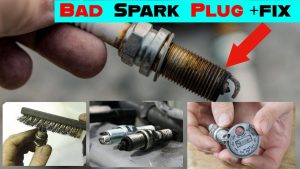
Start by removing the spark plugs and checking their condition. Look for signs of wear like carbon buildup, oil fouling, or damaged electrodes. These clues often reveal if the spark plugs are causing the misfire.
Pay attention to the color of the spark plug tip. A light tan or gray color usually means the plug is healthy, while black soot or oily residue suggests combustion problems. Cracks or chips on the plug can also disrupt the spark and cause misfires.
Using An Obd-ii Scanner
An OBD-II scanner can save you time by identifying which cylinder is misfiring. Connect the scanner to your vehicle’s diagnostic port and read the trouble codes. These codes help you focus your inspection on specific spark plugs or ignition coils.
For example, a code like P0303 indicates a misfire in cylinder 3. Knowing this narrows down where to look first. Some advanced scanners even provide live data to monitor engine performance in real-time.
Performing A Compression Test
If spark plugs seem fine, test the engine’s compression next. Low compression in one or more cylinders can mimic misfire symptoms. Use a compression gauge to measure pressure inside each cylinder while cranking the engine.
Compare readings across all cylinders; significant differences point to issues like worn piston rings or valve leaks. Compression problems often require professional repair, but knowing the cause stops you from blaming spark plugs incorrectly.
Fixing Spark Plug Misfire Issues
Fixing spark plug misfire issues is often simpler than you might expect. Many misfires stem from common spark plug problems that you can tackle yourself with the right approach. Understanding how to clean, adjust, or upgrade your spark plugs can save you time and money while improving your vehicle’s performance.
Cleaning And Replacing Spark Plugs
Dirty or worn-out spark plugs are a frequent cause of engine misfires. If you notice rough idling or poor acceleration, it might be time to inspect the plugs. Cleaning involves removing carbon deposits and debris, which can restore proper spark function.
However, if the spark plugs are damaged or heavily worn, replacement is the better option. Make sure to use plugs that match your vehicle’s specifications. Have you checked your spark plugs during your last oil change? It could be a quick fix for your misfire problem.
Adjusting Spark Plug Gap
The gap between the electrodes on a spark plug affects how well the spark ignites the air-fuel mixture. If this gap is too wide or too narrow, it can cause misfires and reduce engine efficiency. You can measure and adjust the gap using a spark plug gap tool.
Check your vehicle’s manual for the correct gap size. Even a small adjustment can make a big difference in performance. Are you sure your spark plugs have the right gap? It’s a detail that many overlook but often solves misfire issues.
Upgrading To Performance Spark Plugs
If you want to go beyond basic maintenance, consider upgrading to performance spark plugs. These plugs are designed to provide a stronger and more consistent spark, which can improve combustion and reduce misfires. They are especially useful if you drive a high-performance or older vehicle.
Performance plugs often last longer and handle heat better than standard ones. Think about your driving style and conditions—could better spark plugs enhance your engine’s reliability? Investing in quality plugs can be a smart move for smoother rides and fewer misfires.
Preventing Future Misfires
Preventing future misfires is key to keeping your engine running smoothly. Misfires cause poor fuel economy, rough idling, and higher emissions. Taking simple steps helps avoid these issues and extends engine life. Focus on spark plug care and engine checks to reduce misfire risks.
Regular Maintenance Tips
- Check spark plugs every 30,000 miles or as recommended.
- Clean or replace spark plugs if they show wear or buildup.
- Inspect ignition wires and coils for damage or corrosion.
- Use fuel additives to keep injectors clean and fuel system healthy.
- Follow your vehicle’s maintenance schedule closely.
Choosing The Right Spark Plugs
Pick spark plugs that match your car’s specifications exactly. Using the wrong type can cause poor combustion and misfires. Consider:
- Heat range suitable for your engine.
- Correct thread size and reach.
- Recommended electrode gap for efficient spark.
- Trusted brands for quality and durability.
Monitoring Engine Performance
Stay alert to engine signs that hint at misfires. Watch for:
- Engine hesitation or rough idling.
- Increased fuel consumption.
- Check engine light activation.
Use diagnostic tools or visit a mechanic to identify problems early. Regular monitoring helps fix issues before they worsen.

Credit: www.reddit.com
Frequently Asked Questions
Can Spark Plugs Cause Engine Misfire?
Yes, faulty spark plugs can cause engine misfire by failing to ignite the fuel-air mixture properly. Worn or damaged plugs disrupt combustion, leading to rough engine performance and reduced power.
How Do Spark Plugs Affect Car Performance?
Spark plugs influence ignition timing and combustion efficiency. Poor plugs cause misfires, decreased fuel efficiency, and rough idling, negatively impacting overall car performance.
What Are Common Spark Plug Misfire Symptoms?
Common symptoms include engine shaking, rough idle, decreased fuel economy, and the check engine light turning on. These signs often indicate spark plug issues.
How Often Should Spark Plugs Be Replaced?
Typically, spark plugs should be replaced every 30,000 to 100,000 miles, depending on the type. Regular replacement prevents misfires and maintains engine health.
Conclusion
Spark plugs can indeed cause engine misfires. They are essential for ignition. Worn or damaged spark plugs disrupt the combustion process. This leads to poor performance and increased fuel consumption. Regular maintenance of spark plugs is crucial. It ensures a smooth and efficient engine operation.
Ignoring spark plug issues can cause further engine problems. Timely inspection and replacement are key. This prevents potential misfires and costly repairs. Always prioritize your vehicle’s health. A well-maintained engine runs better and lasts longer. Keep your vehicle in top shape.
Regular checks can save time and money in the long run.