Picture this: You’re rushing out the door, ready to start your day, and as you turn the ignition, your car refuses to start. It’s frustrating, isn’t it?
What if the culprit is something as small as a spark plug? Yes, those tiny components can cause big headaches if they’re not in tip-top shape. We’ll explore how spark plugs could be the reason your car won’t start and what you can do about it.
Understanding the role of spark plugs might just save you from future morning mishaps. Stick around to uncover the secrets behind this common car conundrum and equip yourself with the knowledge to keep your vehicle running smoothly.
Credit: motorist.org
Role Of Spark Plugs
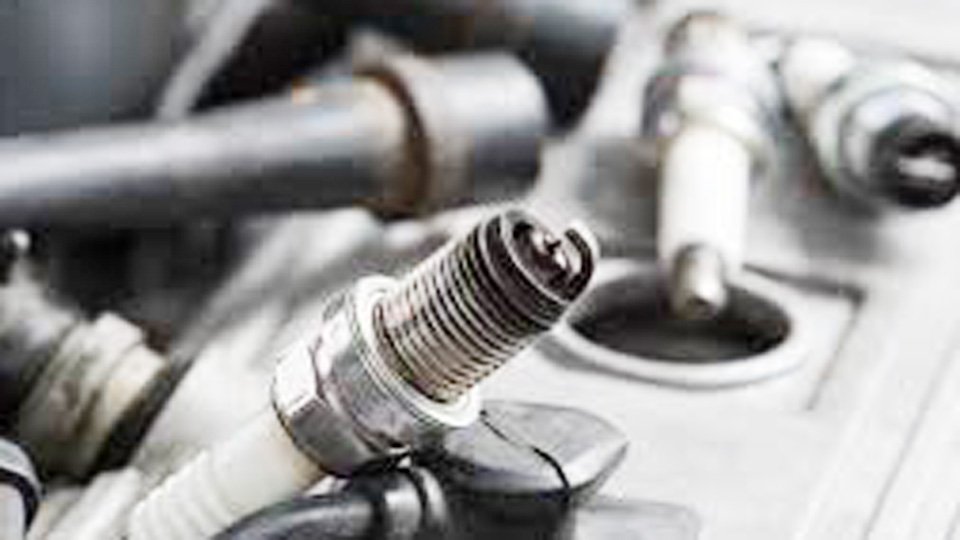
Spark plugs play a key role in a car’s engine performance. They create the spark needed to ignite the fuel-air mix inside the engine cylinders. Without this spark, the engine cannot start or run properly. Understanding how spark plugs work helps explain why bad plugs can stop a car from starting.
How Spark Plugs Work
Spark plugs sit at the top of each engine cylinder. They receive electrical energy from the ignition system. This energy jumps the gap at the spark plug tip, creating a spark. The spark lights the air and fuel mixture inside the cylinder. This ignition pushes the piston down, powering the engine.
Importance In Engine Ignition
Spark plugs must fire at the right moment for the engine to work well. Good spark plugs produce a strong, consistent spark. This ensures smooth engine starts and efficient fuel burning. Worn or dirty plugs may cause weak sparks or no spark. This can lead to engine misfires or no start at all.

Credit: craigscarcare.com
Common Spark Plug Issues
Spark plugs play a crucial role in starting a car. Problems with spark plugs often cause the engine to fail at ignition. Understanding common spark plug issues helps diagnose why a car might not start. These issues affect the spark plug’s ability to create a strong spark. Below are some frequent problems that cause spark plugs to malfunction.
Worn Or Fouled Plugs
Spark plugs wear out over time due to heat and pressure. Worn plugs have eroded electrodes that reduce spark strength. Fouled plugs get covered with oil, fuel, or dirt. This fouling blocks the spark, stopping the engine from starting. Regular inspection can spot these problems early.
Incorrect Gap Size
The gap between spark plug electrodes must be precise. A gap too wide or too narrow weakens the spark. This weak spark struggles to ignite the fuel mixture. Incorrect gap size often leads to hard starts or no start at all. Checking and adjusting the gap fixes this issue.
Carbon Deposits And Build-up
Carbon builds up on spark plugs due to incomplete combustion. This build-up insulates the electrodes and stops sparks. Heavy deposits cause misfires or prevent the engine from starting. Cleaning or replacing plugs removes carbon deposits and restores spark.
Symptoms Of Spark Plug Problems
Recognizing the symptoms of spark plug problems can save you from unexpected car troubles. Spark plugs play a crucial role in igniting the fuel-air mixture inside your engine. When they fail or wear out, your vehicle may struggle to start or perform poorly.
Engine Cranking Without Starting
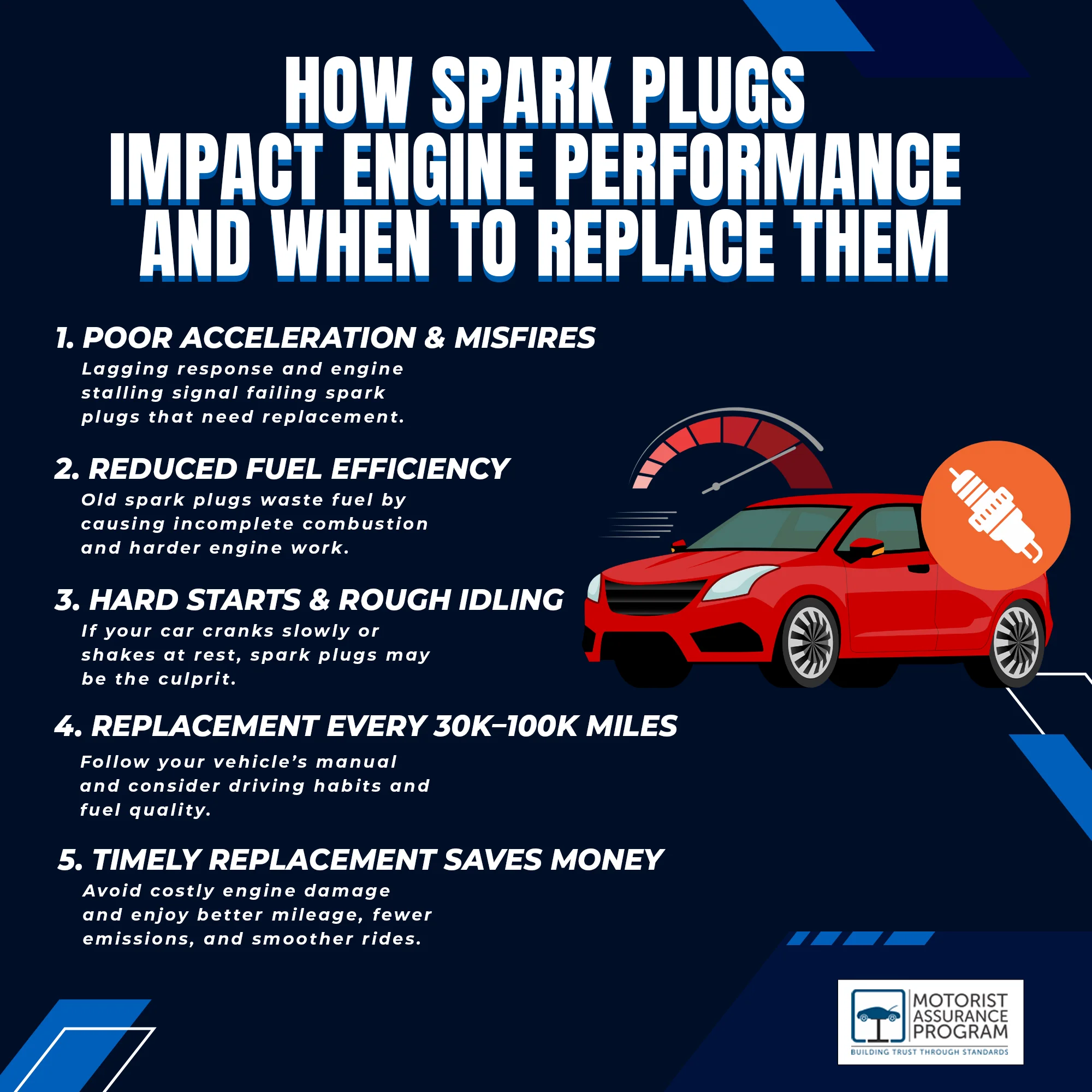
You might hear the engine turning over, but it won’t actually start. This often happens because the spark plugs aren’t producing the necessary spark to ignite the fuel. It’s like trying to light a fire without a match—no spark means no combustion.
If your car cranks but refuses to start, checking the spark plugs should be one of your first moves. Faulty plugs can be the hidden culprit behind this frustrating issue.
Misfiring And Rough Idling
Have you noticed your engine shaking or running unevenly when idling? Misfires can cause this roughness, often due to spark plugs failing to ignite the fuel properly. This issue can make your car feel unstable and less responsive.
Driving with misfires isn’t just uncomfortable—it can lead to bigger engine problems. Addressing spark plug issues early helps maintain smooth engine performance and prevents costly repairs down the road.
Poor Fuel Economy
Are you filling up your gas tank more often than usual? Worn or damaged spark plugs can cause incomplete combustion, wasting fuel and lowering your car’s efficiency. This means you’re spending more money at the pump for less mileage.
Improving your spark plugs can directly boost your fuel economy. A quick spark plug check could save you money and reduce your environmental impact.

Credit: www.reddit.com
Diagnosing Spark Plug Failures
Diagnosing spark plug failures helps find why a car won’t start. Spark plugs create sparks to ignite fuel in the engine. Faulty spark plugs can cause misfires or no start at all. Testing spark plugs involves simple tools and clear signs. This section explains how to check spark plugs step by step.
Visual Inspection Techniques
Remove the spark plugs carefully from the engine. Look for cracks, chips, or worn electrodes. Check for black soot or oily deposits on the plug tip. These signs may mean fouling or poor combustion. Also, look for burnt or melted electrodes. Such damage often shows overheating or electrical problems.
Using A Spark Tester
A spark tester shows if the plug creates a strong spark. Connect the tester between the spark plug and ignition wire. Crank the engine and watch for a bright, blue spark inside the tester. A weak or no spark means the spark plug or ignition system may fail. This test is quick and helps confirm spark plug issues.
Checking Resistance And Gap
Use a multimeter to measure spark plug resistance. Place probes on the terminal and center electrode. Resistance out of the normal range means the plug is bad. Next, measure the gap between electrodes with a feeler gauge. The gap should match the car maker’s specifications. Incorrect gaps cause weak sparks and engine trouble.
Other Causes Of No-start Issues
When your car refuses to start, spark plugs might be the obvious culprit, but many other issues can cause the same problem. Understanding these can save you time and money by pinpointing the real reason behind your no-start situation. Let’s take a closer look at some common causes beyond spark plugs.
Battery And Starter Problems
A dead or weak battery is one of the most frequent reasons a car won’t start. If you turn the key and hear a clicking sound or nothing at all, your battery could be drained or your terminals might be corroded. I once jumped a friend’s car only to find out the starter motor was faulty—so even a good battery doesn’t guarantee a start.
Check your battery voltage with a multimeter; anything below 12.4 volts indicates trouble. Also, listen carefully when you turn the ignition—no sound or just clicks often point to starter issues. Have you noticed your lights dimming when you try to start? That’s a clear sign your battery or starter needs attention.
Fuel System Failures
Your engine needs fuel to fire up, so problems here can prevent starting. A clogged fuel filter, failing fuel pump, or empty gas tank can all stop your car from coming to life. I once filled my tank with the wrong fuel type, and the engine refused to start until it was drained and cleaned.
Fuel system issues often show up as sputtering or a lack of engine turnover. You might smell fuel but still have no start, which suggests the pump isn’t delivering properly. Checking the fuel pressure with a gauge or listening for the pump’s humming sound when you turn the key can help you diagnose these problems.
Ignition System Malfunctions
The ignition system is more than just spark plugs—it includes components like the ignition coil, distributor, and crankshaft sensor. Any failure here can interrupt the spark needed to ignite the fuel-air mixture. I once replaced spark plugs repeatedly, only to find a faulty ignition coil was the real cause.
Watch for symptoms like engine cranking without firing or backfiring noises. Sometimes your car’s check engine light will flash codes pointing to ignition issues. Have you checked if your ignition coil or sensors need replacement? These parts often go unnoticed but are critical for starting.
Replacing And Maintaining Spark Plugs
Replacing and maintaining spark plugs is vital for smooth car operation. Spark plugs ignite the fuel-air mixture in the engine. Worn or damaged plugs can cause the car not to start. Regular checks and timely replacements keep the engine healthy.
When To Replace Spark Plugs
Check spark plugs every 30,000 miles or as the car manual suggests. Signs of wear include rough idling, poor acceleration, and difficulty starting. Visual inspection shows carbon deposits, oil fouling, or worn electrodes. Replace plugs if any damage or heavy buildup appears.
Choosing The Right Spark Plug
Select spark plugs that match your car’s make and model. Use the recommended type and heat range from the owner’s manual. Avoid cheap or incompatible plugs as they can harm engine performance. Quality plugs ensure better fuel efficiency and longer engine life.
Tips For Proper Installation
- Clean the spark plug hole before installation.
- Check the gap using a gap tool; adjust if needed.
- Thread plugs carefully to avoid cross-threading.
- Tighten plugs to the specified torque; over-tightening causes damage.
- Reconnect ignition wires firmly after installation.
Preventing Spark Plug Related Failures
Preventing spark plug related failures keeps your car starting smoothly. Spark plugs ignite the fuel-air mix in the engine. Faulty or worn plugs cause weak sparks or no sparks at all. This leads to engine misfires and starting problems. Regular care helps avoid these issues and extends spark plug life.
Regular Maintenance Schedules
Follow the car manual for spark plug replacement times. Check plugs for wear, corrosion, or deposits during service visits. Clean or replace them as needed to maintain good spark quality. Use the right tools and techniques to avoid damage. Timely maintenance prevents engine misfires and hard starts.
Using Quality Fuel
Fuel affects spark plug performance directly. Low-quality fuel leaves deposits on plugs quickly. These deposits block the spark and reduce engine power. Choose fuel with proper additives and detergents for cleaner combustion. Clean fuel helps plugs last longer and supports smooth starts.
Monitoring Engine Performance
Watch for signs of spark plug failure. Rough idling, reduced fuel efficiency, or engine hesitation suggest spark issues. Use diagnostic tools or visit a mechanic for checks. Early detection prevents bigger engine problems. Regular monitoring keeps your car reliable and easy to start.
Frequently Asked Questions
Can Faulty Spark Plugs Prevent A Car From Starting?
Yes, faulty spark plugs can stop a car from starting. They fail to ignite the fuel-air mix, causing no combustion. This results in the engine not turning over properly or stalling.
How Do Spark Plugs Affect Engine Starting?
Spark plugs provide the spark to ignite the engine’s fuel. If they are worn or dirty, they may misfire or not spark at all, making the engine hard to start or completely non-responsive.
What Signs Indicate Spark Plug Issues In Starting?
Common signs include engine misfires, rough idling, and difficulty starting. You might also notice reduced fuel efficiency and a lack of power. These symptoms suggest spark plugs need inspection or replacement.
Can Old Spark Plugs Cause A Car To Crank But Not Start?
Yes, old spark plugs can cause the engine to crank without starting. They may not create a strong enough spark, preventing combustion, so the engine turns but does not start.
Conclusion
Spark plugs play a key role in starting your car’s engine. Worn or damaged plugs can stop the engine from firing. Checking spark plugs is a simple way to avoid starting problems. Clean or replace them as needed to keep your car running smooth.
Don’t ignore strange engine sounds or trouble starting. A small spark plug issue can cause big troubles. Regular maintenance saves time and money in the long run. Keep your spark plugs in good shape for a reliable drive every time.





