Have you ever wondered if your spark plugs can be cleaned instead of replaced? If you’re looking to save money and keep your engine running smoothly, this is a question worth answering.
Spark plugs play a key role in your vehicle’s performance, and knowing whether you can clean them could make a big difference. Keep reading to find out how to tell if your spark plugs are salvageable and the best ways to clean them safely.
Your car’s health might depend on it.
Role Of Spark Plugs
Spark plugs play a crucial role in your vehicle’s engine. They ignite the air-fuel mixture inside the combustion chamber, which powers your car. Without healthy spark plugs, your engine won’t run efficiently, leading to poor performance and higher fuel consumption.
How Spark Plugs Work
Spark plugs create a small electrical spark at the right moment. This spark ignites the air and fuel mixture inside the engine cylinders. The controlled explosion pushes the pistons, which ultimately moves your car forward.
Each spark plug has a gap between its electrodes, where the spark jumps. If this gap is too wide or narrow, the spark may not happen properly. That’s why maintaining the right condition of your spark plugs is vital for smooth engine operation.
Signs Of Worn Spark Plugs
Recognizing worn spark plugs early can save you from costly repairs. Common signs include:
- Engine misfires or rough idling
- Poor acceleration or sluggish performance
- Difficulty starting the engine
- Decreased fuel efficiency
Have you noticed your car hesitating or stalling unexpectedly? These might be signs your spark plugs need attention. Checking them regularly can help you avoid unexpected breakdowns and keep your engine running strong.

Credit: www.youtube.com
When To Clean Spark Plugs
Knowing when to clean your spark plugs can save you from unexpected car troubles and improve your vehicle’s performance. Spark plugs don’t just fail suddenly; they show signs that you can spot early. Paying attention to these signs helps you decide the right time to give them a good clean, keeping your engine running smoothly.
Identifying Dirty Spark Plugs
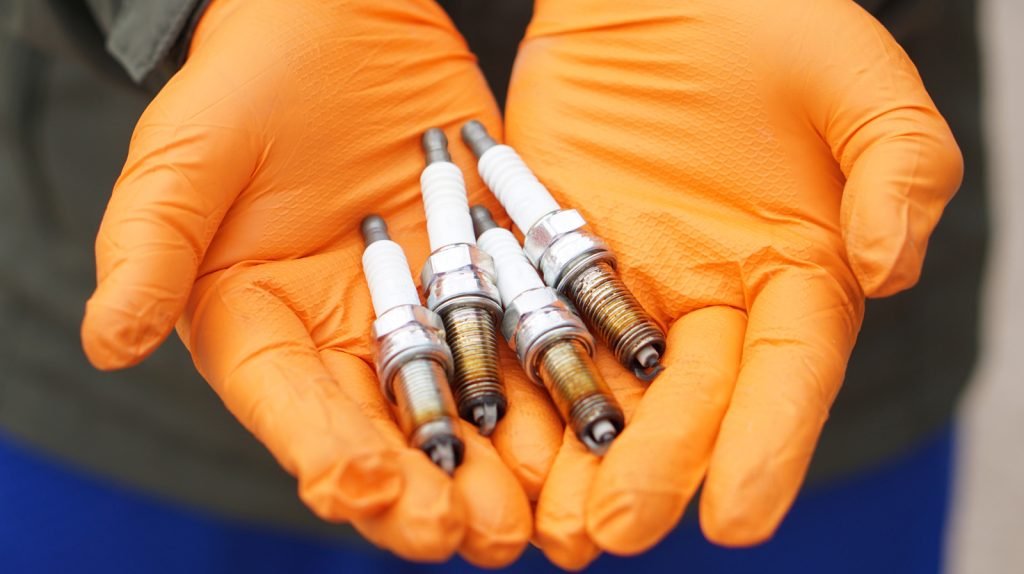
Dirty spark plugs often have visible deposits like black soot, oil, or carbon buildup on their tips. If your engine struggles to start or idles roughly, the spark plugs might be dirty and not sparking efficiently. You might also notice a drop in fuel efficiency or engine misfires, which are clear indicators that your spark plugs need attention.
Next time you open the hood, check the plugs for any crusty or oily residue. A clean spark plug should have a light tan or grayish color on the insulator. Spotting these differences early can help you avoid bigger engine problems down the road.
Risks Of Neglecting Cleaning
Ignoring dirty spark plugs can lead to poor engine performance and increased fuel consumption. Over time, the deposits cause the spark to weaken or misfire, resulting in rough acceleration and higher emissions. This can damage other engine parts, leading to costly repairs.
Think about the last time your car hesitated or stalled unexpectedly. That hesitation could be linked to dirty spark plugs. Regular cleaning can prevent these frustrating moments and keep your car responsive and efficient.
Tools Needed For Cleaning
Cleaning spark plugs requires the right tools to get the job done effectively and safely. Having everything prepared before you start saves you time and prevents damage to your spark plugs or engine parts. Let’s look at the essential supplies and safety equipment you’ll need for this task.
Essential Cleaning Supplies
First, you’ll need a wire brush. It helps remove carbon deposits and grime from the spark plug’s electrodes and threads without scratching the metal.
A spark plug cleaner or carburetor cleaner spray is another must-have. It dissolves stubborn dirt and grease, making it easier to scrub off residue.
Don’t forget a clean cloth or rag to wipe away loosened dirt and to dry the spark plug after cleaning. You might also want a small container to soak the plugs if they are heavily coated.
- Wire brush
- Spark plug or carburetor cleaner spray
- Clean cloth or rag
- Small container for soaking (optional)
Safety Equipment
Handling spark plugs and chemical cleaners can be hazardous if you’re not careful. Always wear safety goggles to protect your eyes from flying debris or chemical splashes.
Use gloves to keep your hands safe from harsh cleaners and sharp edges on the plug. Nitrile or latex gloves work well for this kind of work.
It’s also wise to work in a well-ventilated area to avoid inhaling fumes from the cleaning spray. Have a fan or open windows nearby if you’re working indoors.
- Safety goggles
- Protective gloves (nitrile or latex)
- Well-ventilated workspace
Have you checked your toolbox lately to see if you already have some of these items? Sometimes the simplest tools are right at your fingertips, waiting for a little spark plug TLC.

Credit: autos.yahoo.com
Step-by-step Cleaning Process
Cleaning spark plugs can extend their life and improve engine performance. The process requires careful attention to avoid damaging these small but crucial parts. Here’s how you can clean your spark plugs effectively, step by step.
Removing Spark Plugs Safely
Before you start, make sure your engine is cool to avoid burns or damage. Use a spark plug socket and a ratchet to gently loosen each plug. Avoid forcing them out; if a plug feels stuck, try applying a penetrating oil and wait a few minutes.
Keep track of the order in which you remove the plugs, so you can reinstall them correctly. This practice prevents mix-ups that could affect engine timing. Take a moment to inspect each plug for cracks or heavy wear—some may need replacement instead of cleaning.
Cleaning Techniques
Use a wire brush or a specialized spark plug cleaner to remove carbon deposits and dirt. Hold the plug firmly and brush the electrode and threads until the surface is clean. Avoid harsh chemicals that could damage the ceramic insulator or metal parts.
For stubborn deposits, try dipping the plug in a small container of carburetor cleaner for a few minutes. After soaking, use the brush again to clear any remaining residue. Blow compressed air through the plug to remove debris from hard-to-reach areas.
Reinstalling Spark Plugs
Before reinstalling, check the gap between the electrodes with a feeler gauge and adjust if needed. A proper gap ensures efficient ignition and smooth running. Apply a small amount of anti-seize compound on the threads to prevent future sticking.
Screw the plugs back into their original positions by hand first to avoid cross-threading. Once hand-tight, use the torque wrench to secure them to the manufacturer’s specifications. Over-tightening can cause damage, while under-tightening may lead to poor performance.
Have you noticed any difference in your engine’s behavior after cleaning spark plugs? Sometimes this simple maintenance step can reveal hidden issues or improve fuel efficiency significantly.
Cleaning Methods Compared
Cleaning spark plugs can breathe new life into your engine’s performance. But not all cleaning methods are created equal. Let’s compare some common approaches to help you decide what suits your needs and tools best.
Manual Cleaning
Manual cleaning involves using simple tools like a wire brush, sandpaper, or a small file to remove carbon deposits and grime. It’s straightforward and doesn’t require special equipment, making it accessible for most DIYers.
However, this method demands patience and a gentle touch to avoid damaging the delicate electrodes. Have you noticed how a little pressure can chip or wear down the spark plug’s surface? That’s why taking your time matters.
Chemical Cleaning
Chemical cleaning uses solvents or commercial cleaning sprays designed to dissolve carbon buildup and oils. You simply soak or spray the spark plug and then wipe it clean.
This approach can be effective for tough deposits but requires caution. Some chemicals are harsh and might erode the metal or leave residue that affects spark plug performance. Always check the product’s compatibility with spark plugs before using.
Using Specialized Equipment
Specialized equipment like ultrasonic cleaners or spark plug cleaning machines offer a professional level of cleaning. Ultrasonic cleaners use sound waves to remove dirt from hard-to-reach areas without abrasion.
These tools can be an excellent investment if you regularly maintain your vehicle or work on multiple engines. Have you ever wondered why mechanics swear by ultrasonic cleaning? It’s because it reaches every nook without harming the plug’s structure.
When To Replace Instead Of Clean
Knowing when to replace spark plugs instead of cleaning them saves time and prevents engine problems. Spark plugs wear out over time, and cleaning only helps to a point. Using damaged or old spark plugs can cause poor engine performance and higher fuel use. Recognizing the signs that spark plugs need replacement is important for vehicle health.
Signs Spark Plugs Are Beyond Cleaning
- Heavy carbon buildup that won’t scrape off
- Cracked or broken insulator around the electrode
- Worn or rounded electrodes with large gaps
- Corroded or rusted metal parts
- Frequent misfires or rough engine starts
- Engine hesitation during acceleration
These signs show that spark plugs have reached the end of their lifespan. Cleaning will not restore their proper function. Replacement is necessary to ensure smooth engine operation.
Cost Vs. Benefit Analysis
| Action | Cost | Benefits | Risks |
|---|---|---|---|
| Cleaning Spark Plugs | Low | Improves spark temporarily | May hide deeper wear or damage |
| Replacing Spark Plugs | Moderate | Restores optimal engine performance and fuel efficiency | None if done correctly |
Cleaning can be a quick fix but only works on lightly fouled plugs. Replacement costs more but avoids engine trouble and saves fuel in the long run. Consider the spark plug’s condition before deciding.
Tips To Extend Spark Plug Life
Extending the life of spark plugs helps your engine run smoothly and saves money. Proper care keeps the plugs working longer and improves fuel efficiency. Follow these simple tips to maintain spark plugs effectively.
Regular Maintenance Practices
- Check spark plugs every 20,000 to 30,000 miles for wear and buildup.
- Clean the spark plugs gently using a wire brush or spark plug cleaner.
- Replace damaged or heavily worn spark plugs promptly to avoid engine issues.
- Inspect spark plug gaps and adjust them to the manufacturer’s specifications.
- Use dielectric grease on the spark plug boots to prevent moisture and corrosion.
Fuel And Engine Care
- Use high-quality fuel to reduce deposits on spark plugs.
- Keep the engine tuned regularly to prevent misfires and rough idling.
- Change air filters often to ensure proper air flow to the engine.
- Avoid short trips that do not allow the engine to reach full temperature.
- Fix oil or coolant leaks quickly to prevent fouling of spark plugs.

Credit: www.youtube.com
Frequently Asked Questions
Can Spark Plugs Be Cleaned Instead Of Replaced?
Yes, spark plugs can be cleaned to remove carbon deposits. Cleaning improves performance temporarily but replacing is better for worn plugs.
How Do You Clean Spark Plugs Safely?
Use a wire brush or spark plug cleaner tool. Avoid harsh chemicals and ensure the electrode is not damaged during cleaning.
When Should Spark Plugs Be Replaced, Not Cleaned?
Replace spark plugs if they are cracked, worn, or heavily corroded. Cleaning won’t restore damaged or excessively worn plugs.
Does Cleaning Spark Plugs Improve Engine Performance?
Cleaning spark plugs can improve engine performance by restoring proper spark. However, cleaning is a short-term fix for dirty but undamaged plugs.
Conclusion
Cleaning spark plugs can be simple and effective. Regular maintenance keeps engines running smoothly. Dirty plugs affect performance and fuel efficiency. Using proper tools ensures a thorough clean. Remember, not all plugs can be cleaned effectively. Inspect for damage before cleaning.
Sometimes, replacing them is the best option. Clean plugs lead to better engine health. Save money and extend engine life with these tips. Always prioritize safety while cleaning. Spark plugs play a crucial role in vehicle performance. Keep them clean and your car will thank you.