Have you ever wondered if mulching kits can really handle wet grass? You’re not alone.
Many gardeners struggle with the question of whether mulching on damp lawns is effective or just a waste of time. If you want to keep your yard healthy and neat without damaging your mower, understanding how mulching kits work in these conditions is key.
Keep reading to discover the surprising facts about mulching wet grass and how you can make the most of your equipment every time you mow.

Credit: www.greentractortalk.com
Mulching Basics
Mulchingmeans cutting grass into small pieces and letting it stay on the lawn. These tiny pieces help the soil stay moist and add nutrients back to the ground.
Grass clippings break down and feed the lawn naturally. This reduces the need for extra fertilizers and saves water by holding moisture in the soil.
Healthy soil means a stronger, greener lawn. Mulching also helps stop weeds from growing. It keeps the lawn cleaner by reducing grass waste.
Challenges With Wet Grass
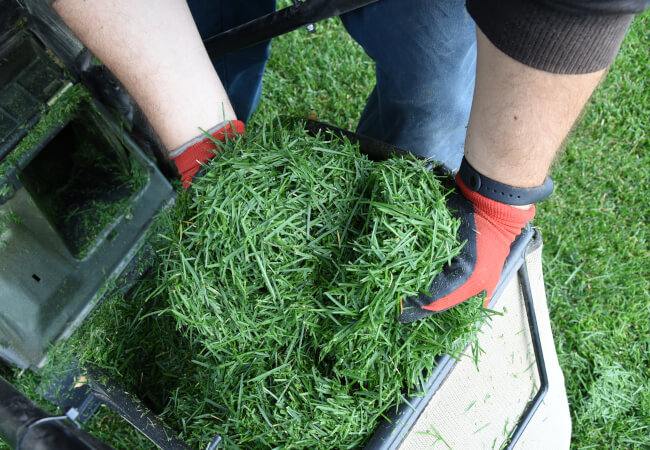
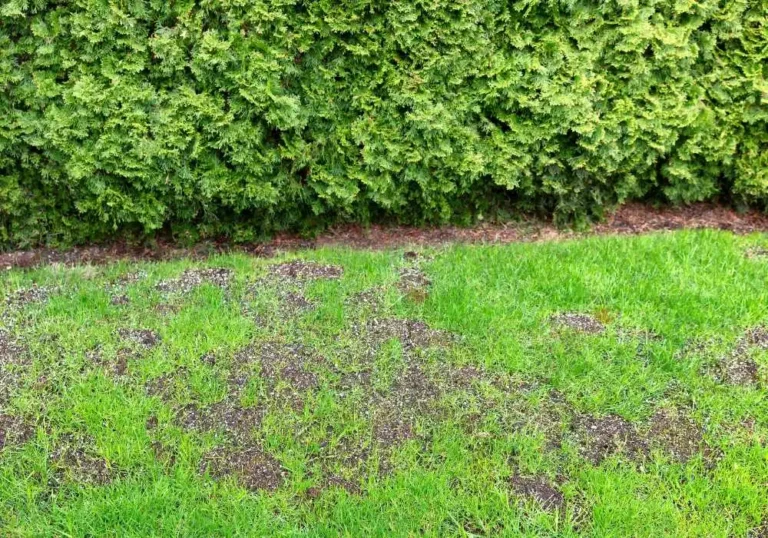
Wet grass causes several challengesfor mulching kits. Grass blades clump together and stick to the mower blades. This reduces cutting efficiencyand clogs the mulching deck. The mulch produced is often unevenand clumpy, which can harm the lawn.
Wet grass also makes the mower work harder. This can increase wearon the blades and motor. Moisture can cause the clippings to stick insidethe mower, needing more frequent cleaning.
| Common Issues | Impact on Mulching |
|---|---|
| Grass clumps stick to blades | Reduces cutting efficiency and causes clogging |
| Uneven mulch output | Leads to patchy lawn and poor nutrient return |
| Increased mower wear | Shortens equipment life and raises maintenance needs |
| Frequent mower cleaning needed | More time spent on mower upkeep |
Mulching Kits And Wet Conditions
Mulching kits can work on wet grass, but some features make the job easier. Sharp blades help cut wet grass cleanly. A powerful motor keeps the blades spinning through thick, wet clumps. Good airflow inside the mower stops wet grass from clogging.
- Blade design: Curved blades lift and cut wet grass better.
- Deck shape: A rounded deck helps grass flow smoothly.
- Motor power: Strong motors reduce clogging and slowdowns.
- Mulching plug: Keeps clippings finely chopped for quick decomposition.
Limitations must be noted. Wet grass clumps can still clog some kits. It may leave uneven mulch layers. Wet clippings take longer to dry and can cause clumpingor smearing. Using a mulching kit on very wet grass might strain the mower and wear parts faster.
Credit: blog.fantasticservices.com
Tips For Mulching Wet Grass
Mulching kits can handle wet grass but may clog easily. Cutting smaller amounts helps maintain smooth mulching and prevents damage. Regular cleaning of blades improves performance on damp lawns.
Best Practices
- Cut the grass a bit higher than usual.
- Make sure the blades are sharp.
- Mulch slowly to avoid clogging the mower.
- Use a side-discharge chute if needed.
Equipment Adjustments
- Ensure the mulching kit is properly attached.
- Check that the mower deck is clean.
- Adjust the mower speed to a slow setting.
- Inspect the blades for any damage.
Safety Precautions
- Wear non-slip shoes for better grip.
- Keep children and pets away from the mowing area.
- Be cautious of slippery surfaces.
- Stop the mower if grass clogs the blades.
Alternatives When Grass Is Too Wet
Waiting for the grass to dry is the safest choice. Wet grass clumps and blocks mulching kits. Dry grass helps spread mulch evenly. Letting the lawn air out for a few hours or a day works well. Sun and wind speed up drying. Avoid mowing right after rain or heavy dew.
Other lawn care methods can help while waiting. Using a rake gently lifts wet grass. This prevents clumps and helps air flow. Lawn aerators improve soil health and reduce water pooling. Choose lawn tools designed for wet conditions to avoid damage. These methods protect your grass and keep it healthy.
Credit: www.splendidlandscape.ca
Maintenance After Mulching Wet Grass
After mulching wet grass, keep the lawn dry for a few hours. This helps prevent moldfrom growing. Check the grass clippings to avoid thick layers. Thick clippings block sunlight and air, which causes disease.
Rake the lawn gently to spread clippings evenly. Use a lawn mower with sharp blades for clean cuts. Water the lawn early in the day to let it dry by evening.
- Remove extra clumps of grass
- Allow good air flow around plants
- Keep lawn mower blades sharp
- Water lawn in the morning
Frequently Asked Questions
Can Mulching Kits Handle Wet Grass Effectively?
Mulching kits can work on wet grass but may clog more easily. Wet clippings tend to clump, reducing efficiency. It’s best to mow when grass is slightly damp or dry for optimal mulching performance.
Does Wet Grass Affect Mulching Quality?
Yes, wet grass can reduce mulching quality. It tends to clump together, causing uneven mulch distribution. Dry or slightly moist grass allows for finer, more even mulch, improving lawn health and appearance.
How To Prevent Clogs In Mulching Kits With Wet Grass?
To prevent clogs, mow in thin layers and avoid thick, wet clumps. Use sharp blades and mow slower to improve cutting. Cleaning the deck regularly also helps maintain mulching efficiency when grass is wet.
Is It Better To Wait For Grass To Dry Before Mulching?
Yes, waiting for grass to dry improves mulching results. Dry grass cuts cleaner, reducing clumps and clogs. This leads to better mulch distribution and healthier lawn growth.
Conclusion
Mulching kits can work on wet grass, but with some care. Wet grass may clog the mower or cause uneven cuts. Letting the grass dry a little helps the kit work better. Mulching wet grass can still add nutrients to your lawn.
Using the right mower and blade also makes a difference. Try small areas first to see how it performs. With patience, mulching kits can be useful even on damp grass. Keep these tips in mind for a healthier lawn all season.





