Have you ever noticed your breathing getting a little harder after mowing your lawn? You might not realize it, but that simple chore could be affecting your lungs more than you think.
If you’ve ever felt wheezy, coughing, or short of breath while cutting the grass, this article is for you. Let’s uncover why mowing your lawn might be causing breathing issues and what you can do to protect yourself. Keep reading—you’ll want to know how to keep your yard looking great without putting your health at risk.

Credit: www.yahoo.com
Mowing And Air Quality
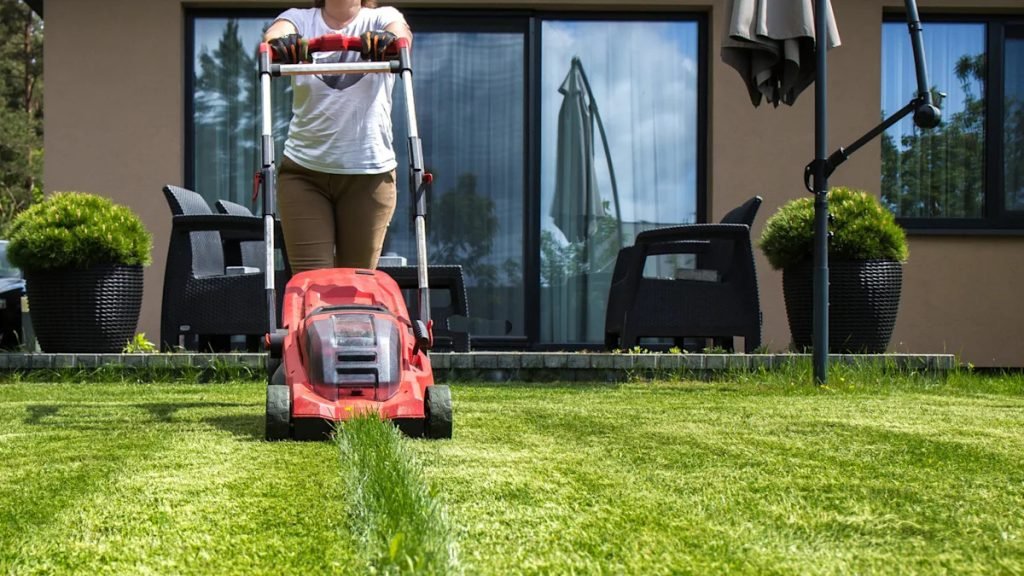
Mowing the lawn can release dust, pollen, and grass particles into the air. These airborne particles may trigger breathing problems for sensitive individuals. Choosing electric mowers and mowing when the air is calm can help reduce risks.
Dust And Pollen Release
Mowing the lawn can stir up dustand pollen. These tiny particles float in the air and can cause breathing problems. People with allergies or asthma may feel coughingor wheezing. Grass pollen is a common trigger for hay fever. Dust can irritate the lungs and throat. Using a maskwhile mowing helps reduce breathing issues.
Exhaust Emissions From Mowers
Gas-powered mowers produce exhaust fumes. These fumes contain harmful chemicalslike carbon monoxide and nitrogen oxides. Breathing in these gases can cause headachesand shortness of breath. Electric mowers create less pollution. Running mowers in well-ventilated areas lowers health risks.

Credit: www.yahoo.com
Common Respiratory Issues Linked To Mowing
Mowing lawn can release dust, pollen, and tiny plant pieces. These can cause allergic reactionsin many people. Sneezing, runny nose, and itchy eyes are common signs.
For people with asthma, mowing can trigger attacks. Breathing becomes hard, chest tight, and coughing starts. Grass pollen and dust are strong asthma triggers.
Dust and pollen also cause irritation and inflammationin the airways. This can lead to sore throat and wheezing. Repeated exposure may worsen breathing problems.
Vulnerable Groups
People with asthma, allergies, or weak lungs may find lawn mowing triggers breathing problems. Grass pollen and dust stirred up during mowing can worsen symptoms. Protecting vulnerable groups is important to reduce health risks.
Children And Elderly
Children and elderlybreathe more quickly than adults. This makes them more sensitiveto dust and pollen stirred up by mowing. Tiny particles can irritate their lungs and cause coughingor wheezing. Their immune systems are often weaker, so breathing problems may last longer.
People With Preexisting Conditions
People with asthma, allergies, or lung disease can have strong reactionsto lawn mowing. Dust and pollen can trigger attacksor make symptoms worse. It is best for them to stay away from freshly mowed lawns or wear masks to protect their airways.
Preventive Measures
Choose a mower that produces less dust and fumes. Electric mowers are cleaner than gas ones. They help reduce allergensand harmful pollutantsin the air.
Wear protective gear like masks and goggles. Masks help stop dust and pollen from entering your lungs. Goggles protect your eyes from irritants.
- Mow during times with low wind to limit dust spread.
- Avoid mowing when air quality is poor or pollen counts are high.
- Early morning or late afternoon is best to mow safely.
Alternative Lawn Care Options
Electric and battery-powered mowersare quieter and produce no exhaust fumes. They reduce the risk of breathing problemscaused by gas mower fumes. These mowers need less maintenance and are lighter to push. Battery-powered options offer freedom without cords. Charging takes time but saves money on fuel.
Natural lawn maintenanceavoids machines altogether. Using hand toolslike shears or a reel mower keeps the air clean. Letting grass grow a bit longer helps it stay healthy and needs less cutting. Planting ground covers or wildflowers reduces lawn size and mowing needs. Mulching grass clippings returns nutrients to the soil naturally.

Credit: www.safetyandhealthmagazine.com
When To Seek Medical Advice
Experiencing shortness of breath or wheezing after mowing the lawn? It might indicate an allergy or asthma. Seek medical advice if symptoms persist or worsen, impacting daily activities.
Recognizing Symptoms
Breathing problemscan be scary. Watch for wheezingor shortness of breath. If your chest feels tight, pay attention. Coughing a lot? That’s another sign. Feeling dizzy or lightheaded? These are signs too. Don’t ignore them.
Consulting Healthcare Providers
When symptoms appear, talk to a doctor. They know best. Doctors can help find out why you’re struggling. Bring any medicineyou take. Tell the doctor about your mowing routine. This helps them understand. Don’t wait too long. Early advice helps.
Frequently Asked Questions
Can Mowing Lawn Trigger Asthma Or Allergies?
Yes, mowing can release pollen, dust, and mold spores. These irritants may trigger asthma attacks or worsen allergies in sensitive individuals.
What Causes Breathing Problems While Mowing Lawn?
Breathing issues often stem from inhaling grass pollen, dust, or chemical fumes from fertilizers and pesticides used on lawns.
How To Prevent Breathing Issues When Mowing?
Wear a mask, mow when pollen counts are low, and avoid using chemicals. Also, keep lawn equipment well-maintained to reduce emissions.
Are Children More At Risk Of Breathing Issues Mowing?
Yes, children have sensitive respiratory systems and may be more vulnerable to allergens and dust stirred up during mowing.
Conclusion
Mowing the lawn can sometimes cause breathing problems. Grass pollen and dust often float in the air. These tiny particles can irritate your lungs and nose. People with asthma or allergies should be careful. Wearing a mask can help reduce breathing issues.
Choose times when pollen is lower, like after rain. Keep your lawn healthy to lower dust and mold. Taking simple steps can make mowing safer for your health. Stay aware and protect your breathing while enjoying your yard.