Have you ever finished mowing your lawn only to feel a nagging ache in your back? You’re not alone.
Many people don’t realize that this common chore can actually cause back pain. If you want to enjoy a beautiful yard without the discomfort afterward, it’s important to understand why mowing might be hurting your back—and what you can do to prevent it.
Keep reading to discover simple tips that protect your back and make lawn care a pain-free experience.
How Mowing Affects Your Back
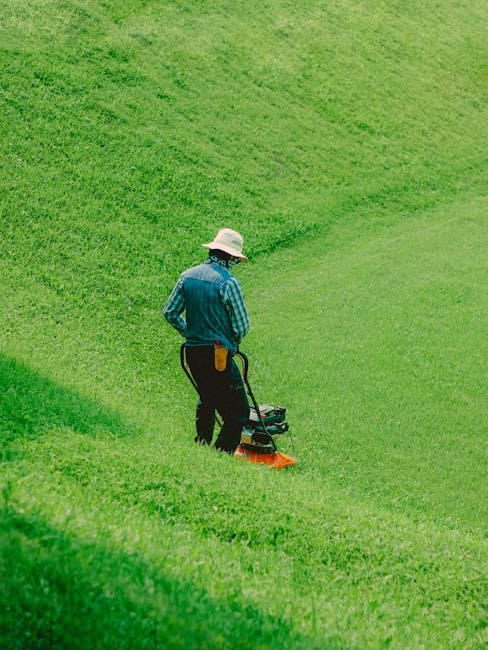
Mowing the lawn involves several repetitive movementsthat can strain your back. Pushing the mower requires bending and twisting your lower body. These actions put pressure on the muscles and spine.
Common movements include:
- Bending forward to push or pull the mower
- Twisting your torso to change direction
- Walking for long periods without rest
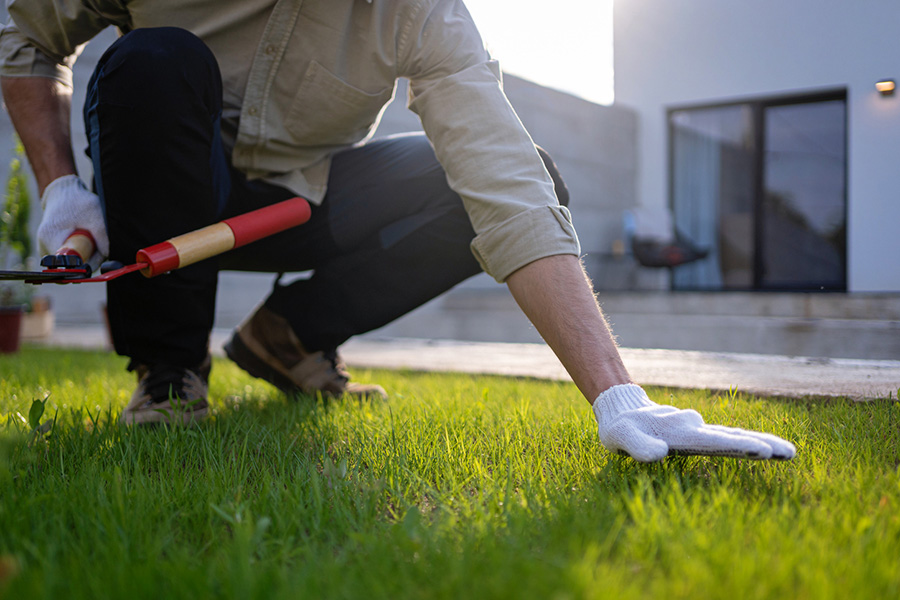
These movements can cause muscle strainespecially if done for a long time. Back muscles may become tired and sore. Poor posture while mowing makes pain worse.
Muscle strain risks increase with:
- Heavy or old lawn mowers that need more force
- Uneven or sloped ground that requires more effort
- Not taking breaks during mowing
Credit: www.union.health
Symptoms Linked To Lawn Mowing
Mowing the lawn can cause different types of back pain. Some feel a sharp pain in the lower back. Others notice a dull ache after mowing for a while. Muscle stiffness is also common, making it hard to move.
These pains happen because of poor postureand pushing heavy mowers. Twisting the body or bending too much also adds strain. Over time, this strain can lead to more serious problems.
| Type of Back Pain | Description |
|---|---|
| Sharp Pain | Sudden, intense pain often felt in the lower back |
| Dull Ache | Persistent soreness that lasts after mowing |
| Muscle Stiffness | Difficulty in moving due to tight muscles |
Pain becomes serious if it lasts more than a few days or worsens. Seek medical help if pain spreads to legs or causes numbness. Early care can prevent long-term damage.
Factors Increasing Back Pain Risk
Poor postureduring mowing strains the lower back muscles. Bending too much or twisting your body can cause pain. Standing straight and moving your feet helps reduce strain.
Heavy or uneven terrainmakes pushing a mower harder. This forces your back to work more, leading to soreness. Slopes and bumps increase the risk of hurting your back.
Using the wrong equipmentadds to back problems. A mower that is too heavy or not the right size forces you to use extra effort. Choose a mower that suits your height and strength.
Prevention Tips For A Pain-free Lawn Care
Use a mower with a height adjustment. Keep the blade high to avoid bending too much. Walk at a steady pace to prevent jerky movements. Push the mower with your legs, not your back. Take short breaks every 20 minutes to rest your muscles. Avoid twisting your body while mowing.
Stretch your back, legs, and arms before and after mowing. Try simple exercises like knee-to-chest stretches and gentle twists. Strengthen your core muscles with planks or bridges. A strong core supports your lower back and reduces pain risk.
| Tool Type | Benefit |
|---|---|
| Ergonomic Lawn Mower | Reduces strain on your back and arms |
| Lightweight Tools | Easier to handle and carry |
| Long-Handled Tools | Helps avoid bending and twisting |
When To Seek Medical Help
Persistent or severe back pain after mowing the lawn needs medical attention. Sudden weakness, numbness, or loss of bladder control also require prompt care. Early help can prevent worsening problems and speed up recovery.
Persistent Or Severe Pain
Back pain lasting more than a week needs attention. Severe pain that makes moving hard is a warning sign. Resting doesn’t help, and the pain stays strong. See a doctor for help.
Signs Of Serious Injury
Sudden pain after mowing can mean injury. Numbness or tingling in legs is a bad sign. Trouble walking or standing straight is serious. If you can’t feel your feet, seek help fast. Losing control of bladder or bowels is an emergency. Call a doctor if these happen.

Credit: vegachiropractic.com

Credit: www.safetyandhealthmagazine.com
Frequently Asked Questions
Can Mowing The Lawn Cause Back Pain?
Yes, mowing the lawn can cause back pain due to prolonged bending and pushing. Poor posture and heavy equipment increase strain. Taking breaks and using ergonomic tools can help reduce discomfort.
Why Does Lawn Mowing Lead To Lower Back Pain?
Lawn mowing often involves repetitive movements and awkward postures. These actions strain lower back muscles and ligaments. Without proper technique, this can cause muscle fatigue and pain.
How Can I Prevent Back Pain While Mowing?
Use a lawn mower with adjustable handles to maintain good posture. Take frequent breaks and stretch your back muscles. Wearing supportive shoes also helps reduce strain.
Is Using A Push Mower Better For Back Pain?
Push mowers require more physical effort, which may increase back strain if not used properly. However, they allow better control over posture compared to riding mowers.
Conclusion
Mowing the lawn can cause back pain if done incorrectly. Poor posture and long periods of bending increase strain. Using the right tools helps reduce discomfort. Taking breaks and stretching also eases muscle tension. Listen to your body and avoid overdoing it.
Small changes make a big difference in comfort. Stay safe and enjoy your yard work pain-free.