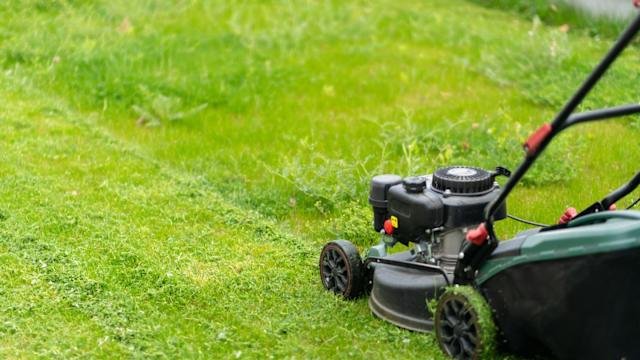
Have you ever noticed sneezing or itchy eyes right after mowing your lawn? You might wonder if cutting the grass is actually causing your allergies.
It’s frustrating when something as simple as keeping your yard neat turns into an uncomfortable experience. But why does this happen, and how can you protect yourself? Keep reading to discover the surprising connection between lawn mowing and allergies—and what you can do to enjoy your yard without the sniffles.
How Mowing Triggers Allergies
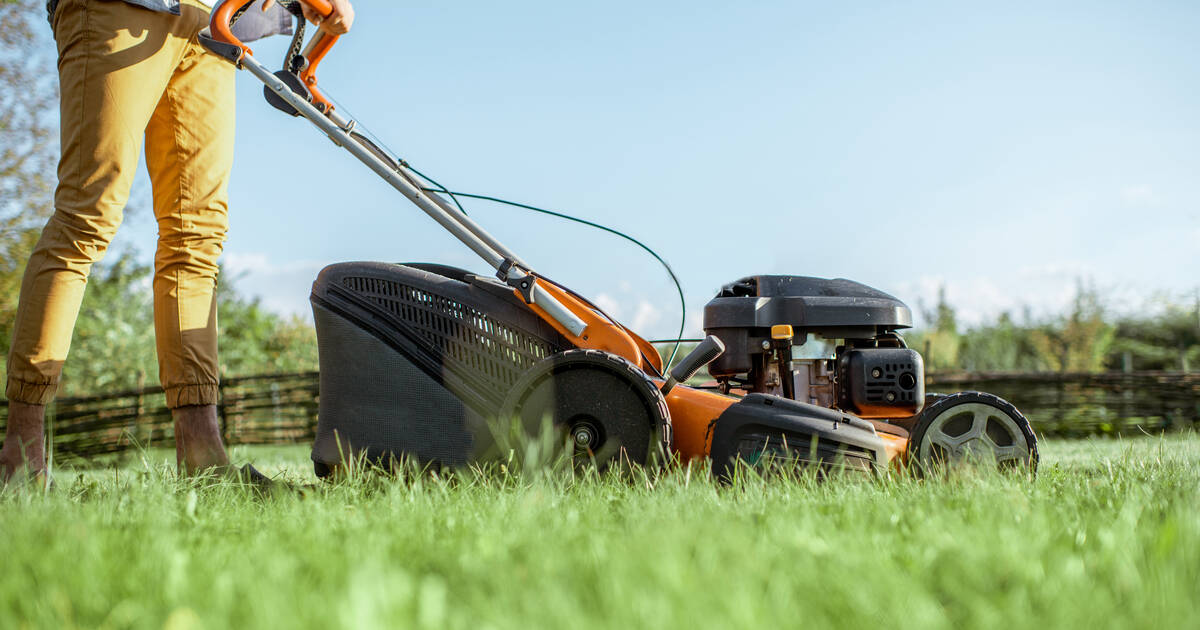
Mowing the lawncan cause allergies mainly due to pollen release. Cutting grass shakes loose pollen grains into the air. These tiny grains float and can irritate the nose and eyes of allergy sufferers.
Grass particlesalso spread through the air during mowing. These particles can carry allergens that trigger sneezing and coughing. The movement of the mower stirs up these tiny bits, making them easy to breathe in.
Dust and moldfound in the grass and soil add to the problem. Mowing kicks up dust and mold spores, which worsen allergy symptoms. These airborne irritants can cause itchy eyes, runny nose, and wheezing for sensitive people.
Credit: www.solvhealth.com
Common Allergy Symptoms From Lawn Mowing
Mowing the lawn can release pollen, dust, and grass particles. These can trigger allergy symptomsin sensitive people.
- Respiratory Reactions:Sneezing, coughing, and a runny nose are common. Some may experience shortness of breath or wheezing.
- Skin Irritations:Rashes, redness, or itching can happen from contact with grass or pollen.
- Eye Discomfort:Itchy, watery, or red eyes may occur due to airborne particles.
Wearing protective gear like masks and gloves can help reduce these problems. Taking breaks and avoiding mowing on windy days also lowers exposure.
Who Is Most At Risk
People with existing allergiesoften react strongly to grass pollen released during lawn mowing. Their symptoms may include sneezing, itchy eyes, and runny nose.
Children and elderlyhave weaker immune systems. They are more likely to suffer from allergy symptoms after lawn mowing. Their bodies may struggle to fight off allergens.
Outdoor workers and gardenersspend long hours near grass and plants. They face higher exposure to pollen and dust. This constant contact raises their allergy risk.

Credit: uk.style.yahoo.com
Preventive Measures While Mowing
Wearing a mask and long sleeves helps reduce pollen exposure while mowing. Choosing a calm day lowers allergy risks by limiting airborne allergens. Regularly cleaning mower blades prevents spreading grass particles that trigger allergies.
Choosing The Right Time
Mow the lawn when it’s cool outside. Early morning or late afternoon is best. These times help reduce pollen in the air. Avoid windy days. Wind can carry allergens easily. Check the weather forecast before starting.Protective Clothing And Gear
Wear long sleeves and pants to protect your skin. Use a wide-brimmed hat to shield your face. Gloves are important to protect your hands. Safety glasses keep your eyes safe from dust. A mask helps block pollen and dust.Using Allergy-friendly Equipment
Choose a mower with a built-in bag. This helps collect grass and reduces allergens. Electric mowers are quieter and create less dust. Keep your equipment clean. Remove grass clippings after every use. This reduces allergens in the air. `Alternative Lawn Care Options
Mowing the lawn can stir up pollen and dust, which may trigger allergies in some people. Choosing alternatives like manual trimming or planting low-allergy grass helps reduce exposure and keep outdoor spaces comfortable.
Electric Vs Gas Mowers
Electric mowersproduce less dust and pollen than gas ones. They run quietly and cause less air pollution. Gas mowers emit fumes that can trigger allergies. Electric mowers are lighter and easier to handle. Battery life may limit mowing time but they are great for small yards.
Hiring Professional Services
Professionals use tools that reduce airborne allergens. They can mow your lawn quickly and efficiently. Many companies use low-allergen equipment. Hiring help reduces your exposure to grass pollen and dust. It also saves time and physical effort.
Low-allergen Landscaping
Choose plants that produce less pollen, like evergreensor ground covers. Use mulch or stones instead of grass in some areas. Low-allergen landscaping cuts down on pollen in your yard. It also reduces the need for frequent mowing.
When To See A Doctor
Persistent symptoms like coughing, sneezing, or itchy eyes lasting more than two weeks need medical advice. Breathing problems or swelling after mowing lawn may signal a severe allergic reaction. Such signs require immediate care.
Doctors can perform allergy testingto find the cause. Tests might include skin prick or blood tests. Treatment may involve antihistamines, nasal sprays, or allergy shots. Early treatment helps manage symptoms and improve comfort.
Credit: www.allergydoc.us
Frequently Asked Questions
Can Mowing Lawn Trigger Allergy Symptoms?
Yes, mowing can release pollen and grass particles into the air. These particles can cause sneezing, runny nose, and itchy eyes in sensitive individuals.
Which Allergens Are Common During Lawn Mowing?
Grass pollen, mold spores, and dust are common allergens released when mowing. These can easily irritate respiratory systems, especially in allergy sufferers.
How To Reduce Allergy Risks While Mowing Lawn?
Wear a mask and protective eyewear to limit exposure. Mow when pollen counts are low, and keep windows closed to prevent allergens indoors.
Are Children More Affected By Lawn Mowing Allergies?
Children with asthma or allergies may be more sensitive to airborne allergens. It’s best to limit their exposure during mowing to avoid triggering symptoms.
Conclusion
Mowing the lawn can trigger allergies for some people. Grass pollen and dust spread in the air during mowing. This can cause sneezing, itchy eyes, and runny nose. Wearing a mask helps reduce breathing in allergens. Mow when pollen levels are low, like early morning or after rain.
Keep your lawn trimmed to reduce pollen growth. Taking these steps can make mowing safer and more comfortable. Stay aware of your body’s reactions while working outside. Healthy habits protect you from allergy symptoms.





