Have you ever wondered if your mower wheels can be reused instead of replaced? If you’re like many who want to save money and reduce waste, this question is probably on your mind.
Knowing whether your mower wheels are still good can help you avoid unnecessary expenses and keep your lawn mower running smoothly. You’ll discover simple tips to check your mower wheels, when it’s smart to reuse them, and when it’s better to get new ones.
Keep reading to make the best choice for your mower and your wallet.
Signs Of Wear On Mower Wheels
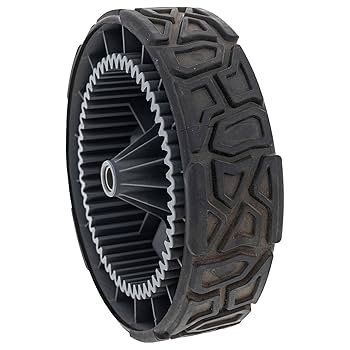
Common wheel damageincludes cracks, worn treads, and loose fittings. Cracks can cause wheels to break during use. Worn treads reduce grip, making mowing uneven or difficult. Loose fittings cause wheels to wobble, affecting control and safety.
Impact on lawn qualitycan be serious. Damaged wheels may leave deep ruts or uneven cuts. This harms grass health and lawn appearance. Proper wheel condition helps the mower glide smoothly for a clean cut.

Credit: www.amazon.com
Materials And Durability
Mower wheels come in different materialslike plastic, rubber, and metal. Each material affects the durability and performanceof the wheel. Plastic wheels are lightweightbut may wear out quickly. Rubber wheels provide better gripand smoother movement. Metal wheels are strong and long-lastingbut can be heavy and may rust.
- Plastic wheels: Best for light, small mowers.
- Rubber wheels: Good for uneven or rough lawns.
- Metal wheels: Used in heavy-duty or commercial mowers.
The lifespanof mower wheels depends on how often they are used and the ground type. Plastic wheels last around 1-2 yearswith regular use. Rubber wheels can last 2-4 years. Metal wheels may last 5 years or moreif maintained well. Checking wheels for cracks or wear can help decide if they can be reused or need replacement.
When To Reuse Mower Wheels
Check the wheel surfacefor cracks or deep cuts. Small scratches are okay, but big damage means replacement. Spin the wheel to see if it turns smoothly. If it wobbles or sticks, it may cause problems. Also, inspect the axle holesfor wear. Loose holes make the wheel unstable.
Safety is key. Worn or broken wheels can lead to accidentsor mower damage. Always use wheels that are strong and fit well. Avoid using wheels that show signs of heavy wearor damage. Proper wheel condition helps keep the mower steady and safe during work.

Credit: www.amazon.com
How To Refurbish Mower Wheels
Cleaning mower wheelshelps them last longer and roll smoothly. Use a stiff brush to remove dirt and grass stuck on the wheels. Soak the wheels in warm, soapy water to loosen tough grime. Rinse well with clean water and dry completely to stop rust.
Repair minor damagelike cracks or dents by filling small holes with strong glue or plastic filler. Sand the surface gently after it dries to make it smooth. Replace any broken parts like caps or bearings to keep the wheel stable.
Lubricate moving partsto reduce friction and wear. Use light machine oil or silicone spray on the wheel axles and bearings. Wipe away extra oil to avoid attracting dirt. Regular lubrication makes wheels turn easily and last longer.
Alternatives To Reusing Wheels
Mower wheels can sometimes be reused if they are in good condition. Alternatives include replacing them with new wheels or using universal wheels designed for various mowers. Choosing the right option depends on the wheel’s wear and mower type.
Choosing Replacement Wheels
Replacement wheels can make your mower work like new. Visit a local store or check online. Look for wheels that fit your mower type. Measure the old wheels to get the right size. Some wheels are made for uneven ground. Others roll better on smooth lawns. Choose what fits your yard best. New wheels can last longer and work better.
Upgrading For Better Performance
Upgrading wheels can improve your mower’s performance. Newer wheels may have better grip. This helps on wet grass or slopes. Some wheels reduce noise, making mowing quieter. Choose wheels with strong materials for long use. Better wheels can make mowing easier and faster. Check if your mower can use modern wheels. This small change can make a big difference.
Maintenance Tips For Longer Wheel Life
Check mower wheels often for cracks, wear, and dirt. Clean off grass and mud to keep wheels turning smoothly. Tighten loose bolts to prevent wobbling. Catch problems early to avoid bigger repairs.
Store the mower in a dry place to stop wheel rust. Keep it out of direct sunlight to avoid tire damage. Use a cover to protect wheels from dust and rain. Proper storage helps wheels last longer and work better.

Credit: www.amazon.com
Frequently Asked Questions
Can Mower Wheels Be Reused After Wear And Tear?
Yes, mower wheels can often be reused if they are not severely damaged. Inspect for cracks or excessive wear before reusing. Proper maintenance can extend their lifespan significantly, saving you money and effort.
How Do I Know If Mower Wheels Need Replacement?
Check for cracks, flat spots, or wobbling wheels. If the mower doesn’t move smoothly or cuts unevenly, wheels likely need replacement. Regular inspection helps maintain mower performance and safety.
What Are The Benefits Of Reusing Mower Wheels?
Reusing mower wheels saves money and reduces waste. It also helps maintain the mower’s original performance if wheels are in good condition. Proper care and cleaning ensure wheels last longer between replacements.
Can Damaged Mower Wheels Affect Lawn Quality?
Yes, damaged wheels can cause uneven cutting and damage grass. They may create ruts or uneven pressure on your lawn. Ensuring wheels are in good condition helps maintain a healthy, even lawn surface.
Conclusion
Mower wheels can often be reused if they are in good shape. Check for cracks, wear, and how well they spin. Reusing wheels saves money and helps the environment. It also keeps your mower working smoothly. Always clean and maintain wheels before reusing them.
Worn-out wheels should be replaced for safety and performance. Small repairs can extend their life too. Think twice before throwing them away. Reusing mower wheels is a smart and simple choice.





