Is your mower starting to struggle or slow down? You might be wondering if the transmission is the problem—and more importantly, if it can be fixed without buying a whole new mower.
The good news is, your mower’s transmission can often be rebuilt, saving you time and money. But how do you know when it’s worth the effort? You’ll discover the key signs that your mower transmission can be rebuilt, what the process involves, and how to decide if it’s the right choice for you.
Keep reading to take control of your mower’s performance and avoid costly replacements.
Signs Of A Faulty Mower Transmission
Recognizing the signs of a faulty mower transmission is key to preventing further damage. Early detection can save money and time. Watch closely for changes in how your mower sounds and performs.
Some issues may seem small but signal bigger problems inside the transmission. Knowing these signs helps you decide if repair or rebuilding is necessary.
Unusual Noises
Strange sounds often come from a failing transmission. Grinding, whining, or clunking noises indicate worn parts. These noises usually happen during gear shifts or when the mower moves.
Ignoring these sounds can lead to complete transmission failure. Regular checks can catch this early.
Loss Of Power
Your mower may lose power if the transmission struggles. The engine runs, but the blades or wheels move slowly. This happens when the transmission can’t transfer power effectively.
Notice if your mower feels weak or stalls on flat ground. This is a common sign of transmission trouble.
Transmission Slipping
Transmission slipping means the mower changes speed without your input. The mower may jump between gears or fail to stay in one gear. This causes uneven cutting and hard control.
Slipping can happen due to worn belts, gears, or fluid issues. Fixing slipping early keeps your mower running smoothly.

Credit: www.ebay.com
Tools And Materials Needed
Rebuilding a mower transmission requires the right tools and materials to get the job done efficiently and safely. Having everything on hand before you start can save you time and frustration. Let’s dive into what you’ll need to tackle this project with confidence.
Basic Hand Tools
You’ll want a solid set of hand tools to disassemble and reassemble your mower’s transmission. A good socket wrench set is crucial for loosening bolts of various sizes. Screwdrivers, both flathead and Phillips, will help you remove smaller screws and clips.
Don’t forget pliers for gripping and pulling parts, and a rubber mallet to gently tap components without causing damage. A torque wrench is useful if you want to tighten bolts to the manufacturer’s specifications. If you’ve ever struggled with rusted or stuck bolts, a penetrating oil spray can be a lifesaver.
Replacement Parts
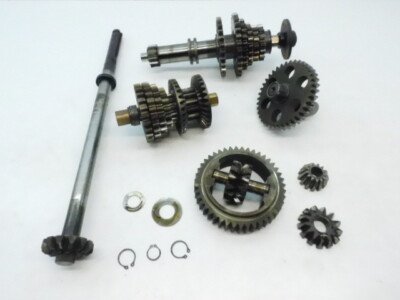
Transmission rebuilds often mean replacing worn or broken parts. This could include gears, bearings, seals, and sometimes the entire transmission kit. It’s smart to order parts that match your mower’s make and model exactly.
Sometimes, buying a complete rebuild kit is more efficient than sourcing individual parts. These kits usually include all the essentials and can prevent you from making multiple trips to the store. Have you ever started a repair only to realize you’re missing a crucial component? Avoid that by preparing ahead.
Safety Gear
Your safety matters when working with mechanical parts and tools. Protective gloves will keep your hands safe from sharp edges and grease. Safety glasses are essential to protect your eyes from flying debris or splashes of oil and grease.
Consider wearing work clothes that you don’t mind getting dirty, and sturdy footwear to protect your feet. If you’re working in a noisy environment, ear protection can help prevent hearing damage. How often do you overlook safety gear only to regret it later? Taking a few extra minutes to gear up properly can prevent accidents.
Step-by-step Rebuild Process
Rebuilding a mower transmission can save money and extend the mower’s life. The process requires patience and careful attention to detail. Following clear steps helps avoid mistakes and ensures a smooth rebuild.
The following section breaks down the rebuild into manageable parts. Each part focuses on key actions to restore the transmission.
Removing The Transmission
Start by disconnecting the mower from any power source. Remove the mower deck and any covers blocking access. Detach the transmission from the frame carefully. Keep bolts and nuts organized for reassembly. Take pictures to help remember the placement of parts.
Disassembling Components
Place the transmission on a clean workbench. Use tools to open the housing without damaging parts. Remove gears, bearings, and seals one by one. Lay out the components in order to keep track. Avoid forcing parts to prevent damage.
Cleaning And Inspecting Parts
Clean all parts with a degreaser or mild solvent. Use brushes to remove dirt and old grease. Dry parts thoroughly before inspection. Check gears for wear or broken teeth. Inspect bearings and seals for cracks or leaks. Decide which parts need replacement.
Replacing Worn Components
Order replacement parts based on your inspection. Use OEM or high-quality aftermarket parts for better results. Replace worn gears, bearings, and seals carefully. Lubricate moving parts with the recommended grease. Confirm all new parts fit properly before assembly.
Reassembling And Testing
Reassemble the transmission in reverse order of disassembly. Tighten bolts evenly to avoid warping the housing. Reattach the transmission to the mower frame. Test the mower in a safe area to check transmission function. Listen for unusual noises and check for smooth operation.

Credit: www.tractorforum.com
Common Challenges And Solutions
Rebuilding a mower transmission presents several challenges. Overcoming these challenges ensures the mower runs efficiently. Let’s explore some common issues and their solutions.
Dealing With Rust And Corrosion
Rust and corrosion can damage mower transmissions. Regular maintenance helps prevent these issues. Clean and dry the transmission area after each use. Consider applying a rust-resistant spray. This creates a protective barrier against moisture.
Handling Seized Parts
Seized parts stop the mower from functioning. Lubricate all moving parts regularly. Use penetrating oil to loosen stuck components. Gently tap the part with a rubber mallet if necessary.
Ensuring Proper Alignment
Proper alignment is crucial for smooth operation. Check the alignment of gears and shafts. Misalignment leads to wear and reduced efficiency. Use a straightedge or alignment tool for adjustments.
Cost Comparison: Rebuild Vs Replacement
Deciding whether to rebuild or replace your mower transmission involves weighing the costs carefully. Both options come with distinct expenses and benefits that affect your wallet differently in the short and long term. Understanding these differences helps you make a smart choice that fits your budget and mower needs.
Parts And Labor Expenses
Rebuilding a mower transmission usually costs less in parts than buying a new one. You might pay for seals, bearings, and gears, but not the entire transmission assembly. Labor can be more intensive, though, as the technician needs time to disassemble and precisely fix the existing unit.
Replacement involves a higher upfront cost because you purchase a brand-new transmission. Installation is often quicker, reducing labor hours, but the parts price often outweighs savings on labor. For example, a new transmission might cost $300-$500, while a rebuild could be $150-$300 depending on damage.
Long-term Savings
A rebuilt transmission can save you money upfront, but it might not last as long as a new one. If you plan to use your mower heavily or for many years, a new transmission could prove more cost-effective. Conversely, if your mower usage is light or occasional, a rebuild often provides the best balance of cost and durability.
Think about your mower’s age and how long you want it to keep running smoothly. Sometimes, reinvesting in a new transmission avoids frequent repairs down the road. Do you want to risk another breakdown after a rebuild, or prefer the peace of mind from a fresh replacement?
When To Consider Replacement
If your transmission has severe damage or multiple worn components, replacement might be the smarter choice. Rebuilding in these cases can become a patchwork fix that fails sooner than expected. Also, if the mower is older and other parts are wearing out, replacing the transmission can add value and reliability.
Consider replacement if the cost of rebuilding nears or exceeds half the price of a new transmission. This often signals that continued repairs will cost more over time. What’s the point of spending hours and dollars on a fix that won’t last? Your mower’s performance and your budget deserve the best option.

Credit: www.ebay.ca
Maintenance Tips To Extend Transmission Life
Keeping your mower’s transmission in good shape can save you both time and money. Small efforts in maintenance can prevent major issues later. Here are some practical tips that help extend the life of your mower’s transmission and keep it running smoothly.
Regular Lubrication
Lubrication is the simplest way to protect your transmission parts from wear and tear. Check your mower’s manual to find the right type of lubricant and the recommended schedule.
Applying grease or oil regularly reduces friction and heat buildup, which can cause premature failure. Have you noticed your mower running hotter than usual? That might be a sign it needs lubrication.
Avoiding Overloading
Overloading your mower puts extra stress on the transmission. Carrying heavy loads or pushing the mower through thick, tall grass can strain the gears and belts.
Try to mow at a steady pace and avoid tackling areas that are too dense in one go. Think about how you use your mower—are you pushing it harder than necessary? Adjusting your mowing habits can make a big difference.
Routine Inspections
Regularly checking your mower’s transmission helps catch small problems before they turn into big repairs. Look for leaks, unusual noises, or vibrations while the mower is running.
Inspect belts, gears, and fluid levels often. If you spot anything unusual, address it quickly to avoid further damage. How often do you actually inspect your mower beyond just cleaning it? Making it a habit can save you headaches down the line.
Frequently Asked Questions
Can Mower Transmission Be Rebuilt At Home?
Yes, mower transmission can be rebuilt at home with basic tools. Follow a step-by-step guide carefully to avoid damage. Ensure you have replacement parts and proper knowledge before starting the rebuild process.
How Long Does Mower Transmission Rebuilding Take?
Rebuilding a mower transmission usually takes 2 to 4 hours. Time varies depending on model complexity and your mechanical experience. Taking time for careful inspection and cleaning is essential for a successful rebuild.
What Are Signs Mower Transmission Needs Rebuilding?
Signs include slipping gears, unusual noises, and failure to move. Transmission leaks or difficulty in changing speeds also indicate rebuilding needs. Early diagnosis prevents further damage and costly repairs.
Is It Cost-effective To Rebuild Mower Transmission?
Yes, rebuilding mower transmission is often cheaper than replacement. It saves money by reusing parts and extends mower lifespan. However, severe damage might require buying a new transmission.
Conclusion
Mower transmissions can often be rebuilt to save money. Fixing parts instead of buying new is a smart choice. It takes some skill and the right tools. Small problems like worn gears or belts are common fixes. Rebuilding helps extend the life of your mower.
Regular care also keeps the transmission working well. Consider your mower’s age and condition before starting repairs. A rebuilt transmission means your mower stays strong longer. Simple steps can bring it back to life. Worth the effort for many mower owners.