Have you ever wondered if your mower can keep running even when the charging system isn’t working? It’s a question many mower owners face, especially when they’re out in the yard and suddenly lose power.
Understanding how your mower’s charging system works—and what happens if it fails—can save you time, money, and frustration. You’ll discover whether your mower can run without its charging system, what signs to watch for, and simple tips to keep your mower running smoothly.
Keep reading to make sure your mower never leaves you stuck.
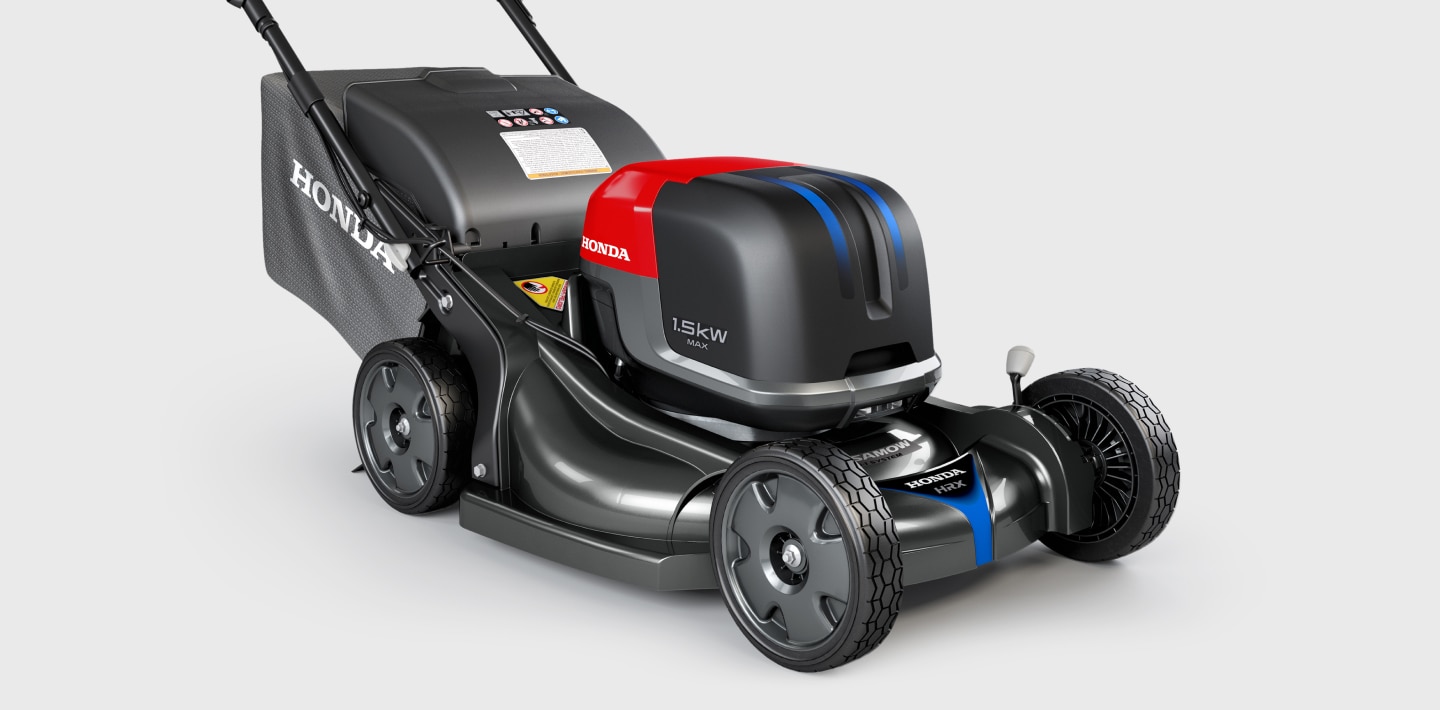
Credit: powerequipment.honda.ca
How Mower Charging Systems Work
Understanding how your mower’s charging system works is key to keeping it running smoothly. This system powers your mower’s electrical parts and keeps the battery charged while you work. If you’ve ever wondered whether your mower can run without this system, it helps to first know what it does and how it functions.
Components Of The Charging System
The charging system has a few main parts that work together to keep your mower’s battery healthy:
- Alternator or Stator:This generates electricity while the engine runs.
- Voltage Regulator:It controls the voltage output to prevent overcharging or undercharging the battery.
- Battery:Stores electrical energy to start the engine and power accessories.
- Wiring and Connectors:These transmit electricity between components.
Each part has a specific role, and if one fails, the system can’t keep the battery charged properly.
Role Of The Charging System In Mower Operation
Your mower’s charging system ensures the battery stays charged while the engine runs. This means you don’t have to worry about the battery dying mid-task. Without it, the battery would slowly lose power, and your mower might stop running.
Think about a time you started your mower, and it suddenly stalled after a short while. That might have been a sign of a failing charging system. Do you check your mower’s battery and charging parts regularly to avoid unexpected breakdowns?
Ultimately, the charging system keeps your mower ready for action every time you pull the starter cord. It’s the silent helper making sure you can finish your lawn work without interruptions.
Running A Mower Without Charging System
Running a mower without a charging system is a question many lawn care enthusiasts ask, especially when dealing with older models or unexpected electrical failures. The charging system is responsible for keeping your mower’s battery powered during operation, but what happens if it’s not working? Understanding how your mower behaves in this situation can save you from getting stranded mid-task and help you plan maintenance better.
Possible Scenarios
If your mower’s charging system fails, it can still run—but only for a limited time. The battery will provide the initial power needed to start the engine and keep the electrical components running. However, as the battery drains, you’ll notice the engine struggling to maintain speed or even stalling.
In some cases, the mower might run fine for a short period, especially if the battery was fully charged before the charging system failed. But without the alternator or stator generating electricity, the battery won’t recharge during use. This means you’ll need to recharge the battery manually after every use or risk complete power loss.
Think about a time when your mower died suddenly on the lawn. Was the charging system the culprit? Often, a failing charging system is the silent enemy that drains your battery without obvious signs until it’s too late.
Battery Life And Limitations
The battery life in a mower without a functioning charging system depends on several factors:
- Battery capacity:Higher capacity batteries last longer but are still limited by the initial charge.
- Electrical load:Accessories like headlights or electric starters drain the battery faster.
- Engine run time:The longer you run the mower, the more the battery will deplete without recharge.
Without the charging system, the battery acts like a fuel tank with no way to refill during operation. You might get away with short mowing sessions, but long jobs will definitely be interrupted. If you rely on your mower daily, this setup can become frustrating quickly.
Have you ever tried mowing with a nearly dead battery? The sluggish start and stalling can make you wonder if it’s time for a new battery—or a repair of the charging system. Keeping your charging system in good shape is the best way to avoid these headaches and keep your mower running smoothly.
Risks Of Operating Without Charging
Operating a mower without a charging system presents significant risks. These risks can affect both the battery and engine performance. Understanding these risks helps prevent costly repairs and downtime.
Battery Drain And Damage
A mower running without a charging system can lead to battery drain. Without regular charging, the battery can lose power quickly. This frequent draining reduces battery lifespan. It may lead to complete battery failure over time.
In some cases, the battery might not hold a charge at all. Replacing a dead battery can be expensive. It’s crucial to ensure the charging system is functional. Otherwise, you risk frequent battery replacements.
Impact On Engine Performance
An inefficient charging system affects engine performance. Without proper charging, the engine might not start. Or, it may stall unexpectedly during operation. This can disrupt your mowing tasks.
Inconsistent engine power affects cutting performance. The blades may not rotate at the right speed. This can lead to uneven grass cutting. Maintaining a good charging system ensures optimal engine function.
Signs Of Charging System Failure
Recognizing the signs of a failing charging system on your mower can save you from unexpected breakdowns. A mower might seem to run fine at first, but subtle issues often hint at deeper electrical problems. Knowing what to look for helps you take action before the battery dies completely.
Common Symptoms
- Dim or Flickering Lights:If your mower’s headlights or dashboard lights are dim or flicker while the engine runs, it’s a clear sign the charging system may not be working properly.
- Difficulty Starting:A battery that won’t hold a charge will cause your mower to struggle or fail to start, even after a full charge.
- Battery Warning Light:Some mowers have a warning light that comes on when the charging system has a problem. Don’t ignore this signal.
- Electrical Accessories Malfunction:If accessories like the horn or radio act up or stop working, it might be due to insufficient power from the charging system.
- Engine Stalling:Unexpected stalling during operation can indicate the battery isn’t getting the power it needs.
Diagnostic Tips
Start by checking the battery voltage with a multimeter. A fully charged battery should read around 12.6 volts when the mower is off.
Next, run the mower and measure the voltage again. It should rise to about 13.5 to 14.5 volts if the charging system is working correctly. If the voltage stays the same or drops, the charging system is likely failing.
Inspect the wiring and connections for corrosion or loose terminals. Sometimes, a simple cleaning or tightening can restore proper charging.
Have you noticed any unusual behavior with your mower’s electrical system? Testing these points might reveal the root cause faster than you think.
Temporary Solutions And Workarounds
If your mower’s charging system fails, you might still need to get the job done without waiting for repairs. Temporary solutions and workarounds can help keep your mower running just long enough to finish your task or get to a service shop. These options won’t fix the root problem but can provide a practical stopgap in a pinch.
Using External Battery Chargers
One quick fix is to use an external battery charger. These devices connect directly to your mower’s battery and recharge it independently of the mower’s electrical system. This way, you can give your battery a boost before starting your mower.
External chargers vary in complexity—from simple trickle chargers to smart chargers that adjust the charging rate. Choose one that matches your battery type to avoid damage. Charging your battery externally can extend your mower’s run time temporarily, but remember, the battery will drain again without a working charging system.
Have you ever tried charging your mower battery outside the unit? It’s surprising how much extra life you can get with just a little charge before mowing.
Manual Charging Methods
If you don’t have access to an external charger, manual methods might help. Jump-starting the mower battery using another vehicle or a portable jump starter can provide enough power to start your mower. This is useful for immediate use but isn’t a long-term solution.
Another approach is to remove the battery and charge it using a bench charger or even a solar charger if you’re outdoors and patient. These methods require some effort but can save you in situations where no power outlet is nearby.
Do you have a backup plan if your mower battery dies unexpectedly? Preparing manual charging tools might save your day when the charging system fails.
Credit: shop.stihl.ca
Repairing Or Replacing The Charging System
Repairing or replacing the charging system of your mower is essential if you want to keep it running smoothly without unexpected shutdowns. The charging system powers the battery, so a faulty one means your mower won’t hold a charge or start reliably. Addressing these issues promptly saves you from bigger problems down the road.
Cost Considerations
Repairing the charging system can vary in cost depending on the problem’s complexity. Simple fixes like replacing a blown fuse or a loose connection might only cost a few dollars. However, replacing key components such as the alternator or voltage regulator can run from $50 to $200 or more.
Labor costs can add up if you hire a professional, especially if your mower model has a complex charging system. You should also factor in the price of quality replacement parts to avoid repeated breakdowns. It’s worth comparing the repair cost against the mower’s overall value before deciding.
When To Seek Professional Help
If you notice your mower’s battery consistently dies or the engine sputters during use, it’s time to consider professional help. Complex electrical issues can be tricky and dangerous to fix without proper tools and experience. Professionals can quickly diagnose problems like faulty wiring, bad stators, or defective regulators.
Trying to repair these yourself without enough knowledge might cause more harm or void your mower’s warranty. Do you have the right tools and skills to test electrical components safely? If not, reaching out to a certified technician will save you time and prevent frustration.
Preventive Maintenance Tips
Preventive maintenance keeps your mower running smoothly without charging issues. Regular care avoids unexpected breakdowns and costly repairs. Simple steps extend the life of your mower’s battery and electrical system. Focus on consistent checks and proper battery handling for best results.
Regular Inspections
Check the mower’s electrical system often. Look for loose wires, corrosion, or damaged parts. Inspect the charging system belt for wear and tear. Clean dirt and debris around the engine and battery area. Tighten any loose connections to ensure steady power flow. Early detection helps prevent bigger problems later.
Battery Care Practices
Keep the battery terminals clean and free of corrosion. Use a mixture of baking soda and water to clean terminals safely. Charge the battery fully before storing the mower for long periods. Avoid letting the battery drain completely; it shortens battery life. Store the battery in a cool, dry place during winter. Regular charging keeps the battery healthy and ready to start the mower anytime.

Credit: www.batteriesplus.com
Frequently Asked Questions
Can A Mower Run Without A Charging System?
Yes, a mower can run briefly without a charging system if the battery is charged. However, the battery will eventually drain, causing the mower to stop running.
How Long Will A Mower Run Without Charging?
Without charging, a mower typically runs for 30 minutes to a few hours. The exact time depends on the battery’s initial charge and mower usage.
What Happens If The Charging System Fails?
If the charging system fails, the battery won’t recharge. The mower will run until the battery is fully drained and then stop working.
Can I Replace A Mower’s Charging System Myself?
Yes, replacing a mower’s charging system is possible with basic tools and mechanical knowledge. Always follow the manufacturer’s guidelines for safety and compatibility.
Conclusion
A mower may run without a charging system for a short time. The battery will drain quickly, causing the mower to stop. Running without charging can harm the battery and engine. It’s best to fix or replace the charging system soon.
This keeps your mower reliable and ready to use. Taking care of the charging system saves time and money. Don’t ignore signs of charging problems. Keep your mower in good shape for longer life.