Have you ever wondered if your mower can run without a belt? It’s a question that might cross your mind if your mower suddenly stops working or if you’re curious about how it all works under the hood.
Understanding this can save you time, frustration, and even money on repairs. You’ll discover the truth about running a mower without its belt, what happens inside your machine, and what you should do to keep your mower running smoothly. Stick around—this knowledge could change the way you handle your lawn care forever.

Credit: www.lawnsite.com
Role Of The Belt In A Mower
The belt in a lawn mower plays a crucial role in its operation. It acts as the link that transfers power from the engine to other parts of the mower. Without the belt, many functions of the mower cannot work properly. Understanding the belt’s role helps explain why a mower cannot run effectively without it.
How The Belt Powers The Blades
The belt connects the engine to the cutting blades. When the engine runs, it turns the belt. The moving belt spins the blades fast. This spinning cuts the grass evenly. Without the belt, the blades stay still. So, no cutting happens without the belt’s movement.
Connection Between Engine And Wheels
Some mowers use the belt to move the wheels. The belt passes power from the engine to the wheels. This makes the mower drive forward or backward. Without the belt, the wheels do not turn by themselves. The mower cannot move on its own without this connection.

Credit: www.youtube.com
Consequences Of Running Without A Belt
Running a mower without its belt causes serious problems. The belt plays a key role in making the blades turn. Without it, the mower cannot cut grass properly. This can lead to poor performance and damage to the mower.
Impact On Cutting Performance
The belt connects the engine to the blades. Without the belt, the blades do not spin. Grass stays tall and uneven. The mower may make noise but not cut well. This wastes time and effort.
Uneven cutting can harm your lawn’s health. Grass left too long can attract pests. The mower also uses more fuel trying to cut. This lowers its efficiency and raises costs.
Possible Damage To Mower Components
Running without a belt can hurt the mower parts. The engine may overheat since it works harder. Moving parts may get damaged from lack of tension. Bearings and pulleys can wear out quickly.
Ignoring the belt issue can cause costly repairs. The mower might break down and stop working. Replacing damaged parts costs more than a new belt. Protect your mower by fixing the belt early.
Signs Of A Worn Or Broken Belt
Recognizing the signs of a worn or broken mower belt can save you time and money. A damaged belt can cause your mower to stop working effectively or not at all. Paying attention to these signs early helps you fix the problem before it worsens.
Noise Indicators
One of the first clues that your mower belt is failing is unusual noises. You might hear a high-pitched squealing sound when starting the mower or during operation. This noise often means the belt is slipping or loose.
Grinding or scraping sounds can also signal belt damage. If you ignore these noises, the belt could snap while mowing, leaving you stranded. Have you ever noticed strange sounds and thought it was just the engine? That’s often the belt trying to tell you something.
Visible Wear And Tear
Inspect the belt regularly for cracks, fraying, or glazing on the surface. A shiny or glazed belt loses its grip and won’t drive the mower deck properly. Small cracks or splits mean the belt is aging and likely to break soon.
Look for missing chunks or uneven edges, which indicate serious damage. If the belt looks worn, it’s better to replace it before it fails completely. Remember, a quick visual check can prevent a frustrating breakdown in the middle of your lawn.
Performance Drops
Has your mower started cutting unevenly or leaving patches of uncut grass? A slipping or broken belt reduces power to the blades, causing poor cutting performance. You might also notice the blades not spinning at all, even though the engine runs.
Slow or inconsistent blade speed is another red flag. If your mower struggles on slopes or thick grass, the belt could be slipping under load. Are you pushing harder than usual but seeing less result? That’s your mower signaling a belt issue.
Temporary Solutions Without A Belt
A mower usually needs a belt to work properly. Running it without a belt can cause damage or poor performance. Temporary fixes might help, but they are not safe for long-term use.
When your lawn mower’s belt snaps unexpectedly, it can feel like a frustrating halt to your landscaping plans. But don’t worry—there are temporary solutions that can get you back on track without immediately replacing the belt. Whether you’re in the middle of a mow or simply can’t make it to the store right away, these methods can serve as quick fixes to keep your lawn looking sharp.Manual Operation Options
In some cases, you might be able to manually operate the mower to finish a small section of your yard. This is particularly useful if the grass isn’t too tall or thick. By gently pushing the mower, you can guide it over the grass, but be prepared for a bit of a workout. This method isn’t ideal for large areas but can be a lifesaver if you just need to tidy up a small spot. Have you ever found yourself in a pinch, mowing with a little extra elbow grease?Safety Considerations
Operating a mower without a belt can be risky, so safety should be your top priority. Always make sure the mower is turned off before attempting any manual operation. Wearing sturdy shoes and protective gloves can also help prevent accidents. Additionally, be mindful of the mower’s blades. They may not be powered, but they can still pose a hazard. Double-check that all parts are secure before proceeding. Your safety is more important than a perfect lawn. Remember, these temporary solutions are just that—temporary. Plan to replace the belt as soon as possible to ensure your mower operates efficiently and safely in the future.Replacing And Maintaining The Belt
Replacing and maintaining the mower belt is essential for smooth lawn care. The belt connects the engine to the blades, allowing cutting action. A worn or broken belt stops the mower from working properly.
Regular inspection and timely replacement keep the mower running efficiently. Proper maintenance avoids damage to other parts and extends mower life. Understanding how to pick the right belt and replace it is key.
Choosing The Right Belt
Select a belt that fits your mower model exactly. Check the owner’s manual for size and type details. Belts come in different lengths, widths, and materials.
- Use OEM (Original Equipment Manufacturer) belts for best fit.
- Match the belt width to the mower pulleys.
- Choose durable materials resistant to wear and heat.
Buying the correct belt prevents slipping and premature damage.
Step-by-step Replacement Guide
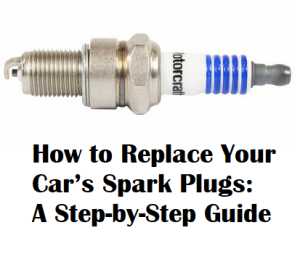
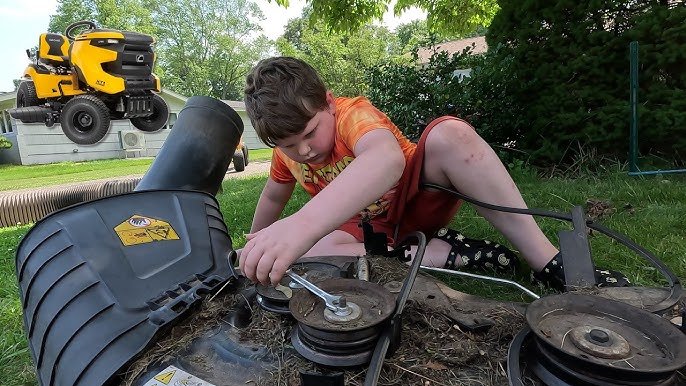
Start by disconnecting the spark plug to avoid accidental starts. Remove the mower deck to access the belt easily. Loosen the tensioner to free the old belt.
- Slide off the worn belt from the pulleys carefully.
- Place the new belt on the pulleys following the correct path.
- Tighten the tensioner to secure the belt firmly.
- Reinstall the mower deck and reconnect the spark plug.
Test the mower to ensure the belt runs smoothly without slipping.
Tips For Prolonging Belt Life
- Keep the belt clean from grass and debris.
- Check belt tension regularly and adjust if loose.
- Avoid sudden stops and heavy loads while mowing.
- Store the mower in a dry place to prevent belt cracking.
- Replace worn pulleys that can damage the belt.
Proper care helps the belt last longer and reduces repair costs.
When To Consult A Professional
Knowing when to consult a professional about your mower’s belt can save you time, money, and frustration. Some problems may seem simple but can hide deeper mechanical issues that require expert attention. Recognizing these signs early helps you avoid costly repairs or complete mower failure.
Complex Belt Issues
If your mower belt is repeatedly slipping, fraying, or breaking shortly after replacement, it could indicate a more complicated problem. Belt tension might be off, or pulleys could be misaligned—situations that need precise adjustments.
Attempting to fix these issues without proper tools or knowledge might worsen the damage. A professional can diagnose and fix belt-related problems accurately, ensuring your mower runs smoothly and safely.
Signs Of Other Mechanical Problems
Sometimes, belt trouble is just the tip of the iceberg. If you notice unusual noises, loss of power, or the blades not spinning properly, these could be signs of engine or transmission problems.
Ignoring these symptoms or focusing only on the belt won’t solve the root cause. Consulting a professional can help identify whether the belt issue is linked to bigger mechanical failures, saving you from unexpected breakdowns.

Credit: www.youtube.com
Frequently Asked Questions
Can A Mower Operate Without The Belt?
No, a mower cannot operate without the belt. The belt connects the engine to the blades and wheels. Without it, the blades won’t spin, and the mower won’t cut grass effectively.
What Happens If Mower Belt Breaks While Running?
If the mower belt breaks while running, the blades stop spinning. The engine may still run, but the mower won’t cut grass. It’s important to replace a broken belt promptly to avoid further damage.
How To Know If Mower Belt Is Worn Out?
Signs of a worn mower belt include slipping, squealing noises, and uneven blade movement. Inspect the belt for cracks, fraying, or glazing. Regular checks can prevent mower breakdowns and ensure optimal performance.
Can I Replace Mower Belt Myself Easily?
Yes, you can replace the mower belt yourself. Make sure to disconnect the spark plug first for safety. Follow your mower’s manual for instructions and use the correct belt model for replacement.
Conclusion
A mower cannot run properly without a belt. The belt moves the blades and other parts. Without it, the mower won’t cut grass. Always check the belt for wear or damage. Replace a broken belt quickly to keep mowing. Running the mower without a belt can cause more damage.
Keep your mower in good shape for best results. Simple care helps your mower last longer and work well. Remember, the belt is key to your mower’s function.