Have you ever tried to start your mower, only to find it won’t run properly? If your mower has a bad stator, this might be the reason.
But can a mower actually run with a bad stator? Understanding this can save you time, money, and frustration. You’ll discover how a faulty stator affects your mower and what you can do about it. Keep reading to find out how to keep your mower running smoothly, even if your stator is acting up.

Credit: www.lawnsite.com
Signs Of A Bad Stator
The stator is a key part of your mower’s electrical system. It helps generate power for ignition and charging the battery. A bad stator can cause several problems that affect mower performance. Knowing the signs can help you spot issues early and avoid bigger repairs.
Engine Starting Issues
A faulty stator often causes engine troubles. The mower may crank but fail to start. Sometimes, it starts but stalls quickly. Weak or no spark is a common result of a bad stator. This makes it hard for the engine to fire up properly.
Electrical Failures
The mower’s electrical parts rely on the stator for power. A damaged stator may cause lights to flicker or dim. The ignition system might cut out unexpectedly. Other electrical components can behave erratically or stop working.
Battery Drain Symptoms
A bad stator can stop charging the battery. This leads to a slow or steady battery drain. You might notice the battery losing power quickly. The mower could fail to hold a charge after use. Replacing the battery often won’t fix this problem.

Credit: www.youtube.com
Risks Of Running With A Faulty Stator
Running your mower with a faulty stator is more than just an inconvenience—it poses real risks that can cost you time and money. The stator plays a crucial role in your mower’s electrical system, and ignoring its failure can lead to serious problems. Understanding these risks helps you decide when to repair or replace the stator before things get worse.
Damage To Electrical Components
A bad stator can cause inconsistent or weak electrical output. This irregular power supply puts stress on sensitive parts like the ignition coil, battery, and spark plug. Over time, these components may fail prematurely, leaving you with multiple repairs instead of just fixing the stator.
Have you ever noticed your mower’s lights flickering or your engine struggling to start? These are signs that your electrical system is compromised. Ignoring them can lead to a chain reaction of electrical failures, increasing your repair bills.
Potential Engine Failure
Your mower’s engine depends on the stator to provide a steady flow of electricity for ignition. A faulty stator can cause misfires or erratic engine performance. If the engine keeps running without proper electrical support, it risks overheating or even seizing up completely.
Think about how long you’ve pushed your mower through tough spots. Would you keep pushing it if you knew the engine might fail entirely? Protecting the stator means protecting your engine’s health and extending its lifespan.
Safety Hazards
Electrical issues from a bad stator don’t just damage your mower—they can pose safety risks. Faulty wiring or sparks could lead to fires, especially if your mower operates near dry grass or fuel. Additionally, an unexpected engine stall while mowing could cause loss of control, increasing the chance of injury.
Have you ever experienced your mower shutting off suddenly? Imagine losing control on a slope or near obstacles. Addressing stator problems promptly keeps both you and your equipment safe during every mowing session.
Diagnosing Stator Problems
Diagnosing stator problems is key to knowing if your mower can run safely. The stator generates the electrical power needed to start and run the mower. Faulty stators can cause weak spark, poor engine performance, or no start at all. Testing the stator helps detect issues early before they cause bigger damage.
There are simple ways to check the stator condition. You can start with a visual inspection, then test electrical output with a multimeter. Knowing when to call a professional saves time and prevents costly repairs.
Visual Inspection Tips
Start by removing the mower cover to access the stator area. Look for visible signs of damage such as:
- Burn marks or discoloration on the stator coils
- Broken or frayed wires
- Corrosion or rust on connectors
- Loose or missing mounting bolts
Check if the flywheel magnets are intact and clean. Dirt or metal shavings can affect the magnetic field and reduce output. A clean, undamaged stator looks uniform and free from cracks or wear.
Using A Multimeter
Use a multimeter to measure the stator’s electrical resistance and output voltage. Set the multimeter to the ohms (Ω) setting to test coil resistance. Place the probes on the stator coil terminals.
- A very high or infinite reading means a broken coil wire.
- A zero or very low reading indicates a short circuit.
Next, test the AC voltage output while turning the flywheel manually. The multimeter should show a steady voltage rise. No voltage or unstable readings point to stator failure.
When To Seek Professional Help
Stator diagnosis can be tricky without the right tools and knowledge. Call a professional if:
- You cannot access the stator safely
- Visual inspection shows complex damage
- Multimeter readings are unclear or inconsistent
- Engine still fails after replacing or repairing the stator
Professionals have the tools to test and replace stators correctly. They can also check related parts like ignition coils and wiring. Early expert help ensures your mower runs smoothly and lasts longer.

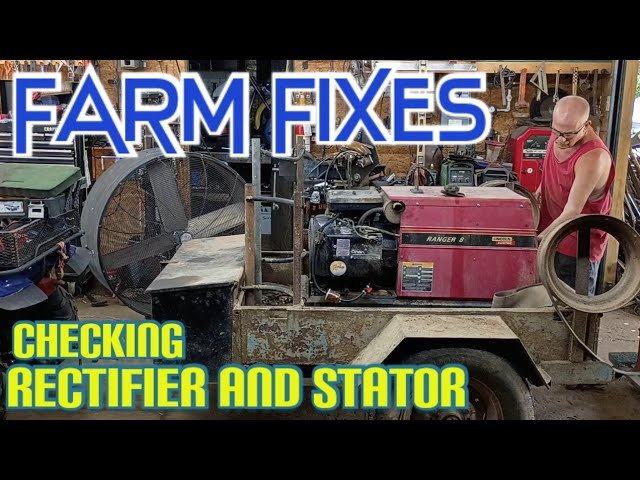
Credit: www.youtube.com
Quick Fixes For A Bad Stator
Struggling with a faulty stator on your mower? A malfunctioning stator can disrupt your mowing plans. Thankfully, there are quick fixes you can try before opting for a full replacement. These solutions might just get your mower running smoothly again.
Cleaning Connections
Dirty or corroded connections often cause stator issues. Begin by turning off the mower and disconnecting the battery. Use a wire brush to clean the stator connections. Ensure there is no rust or dirt. This can improve the electrical flow.
Check all the wires for any signs of wear. Replace any damaged wires to ensure good contact. Clean connections can often resolve stator problems effectively.
Temporary Wiring Repairs
Examine the wiring around the stator for breaks or frays. Use electrical tape to cover minor damages. This can prevent further issues. For broken wires, consider using a wire connector. This can temporarily restore the connection.
Such repairs are only temporary. They provide a short-term solution until a permanent fix is arranged.
Replacing The Stator
If quick fixes do not work, replacing the stator may be necessary. Begin by purchasing a compatible stator for your mower model. Refer to the mower’s manual for guidance.
Carefully remove the old stator. Follow the manual’s instructions for installation. Ensure all connections are secure. Test the mower to confirm the new stator is working properly. Replacing the stator can often restore your mower to full functionality.
Preventing Future Stator Issues
Preventing future stator issues can save time and money. A well-maintained mower runs smoothly and lasts longer. Small actions taken regularly keep the stator in good shape. Proper care avoids common electrical problems and unexpected breakdowns.
Regular Maintenance Practices
Check the mower’s electrical parts often. Clean dirt and debris from the engine area. Tighten loose connections to prevent sparks and shorts. Replace worn-out wires before damage spreads. Run the mower regularly to keep parts moving and lubricated.
Proper Storage Techniques
Store the mower in a dry, covered place. Moisture causes rust and electrical damage. Remove the battery or disconnect it for long breaks. Cover the mower to keep dust and pests away. Avoid places with extreme temperatures that stress parts.
Using Quality Replacement Parts
Choose parts designed for your mower model. Low-quality parts wear out faster and cause more problems. Use genuine stators and connectors for best results. Keep receipts and manuals for warranty claims. Proper parts ensure safety and reliable performance.
Frequently Asked Questions
Can A Mower Run With A Bad Stator?
A mower may start but will run poorly with a bad stator. The stator supplies power to the ignition and battery. Without it, the engine won’t run efficiently or may stall frequently.
How To Know If Mower Stator Is Bad?
Signs include difficulty starting, engine stalling, and weak spark. You may also notice no charging of the battery while the engine runs. Testing the stator with a multimeter confirms its condition.
Can A Bad Stator Damage Mower Engine?
A bad stator itself rarely damages the engine directly. However, poor ignition and electrical issues can cause rough running and overheating, potentially harming engine parts over time.
How To Fix A Bad Stator On Mower?
Fixing involves replacing the faulty stator coil. This often requires removing the flywheel and stator assembly. Professional service is recommended unless you have mechanical skills.
Conclusion
A mower with a bad stator may still start but will not run well. The engine can stall or lose power quickly. Running it like this can cause more damage. Repairing or replacing the stator is the best choice. This keeps your mower working smoothly and safely.
Regular checks help catch problems early. Keep your mower in good shape for longer life. Don’t ignore signs of a bad stator. Fixing it saves time and money in the end.