Are you wondering if your mower can run on ethanol gas? You’re not alone.
Many people ask this question because ethanol fuels are becoming more common and often cheaper. But before you fill up your mower’s tank, it’s important to know how ethanol might affect its engine and performance. You’ll discover the truth about using ethanol gas in your mower and get tips to keep your machine running smoothly.
Keep reading to make the best choice for your lawn and your equipment.
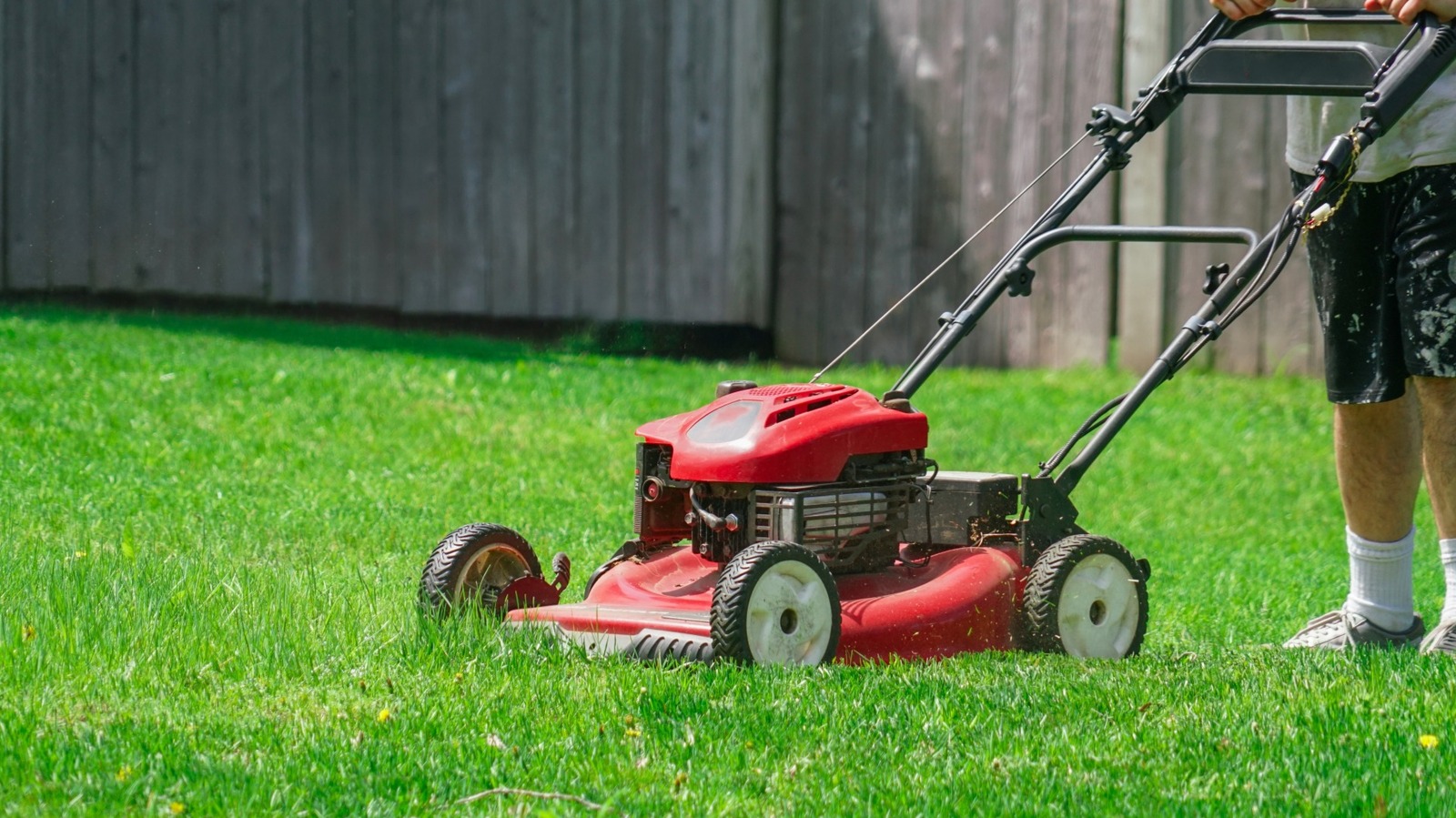
Credit: www.slashgear.com
Ethanol Gas Basics
Understanding ethanol gas is important before using it in a mower. Ethanol fuel mixes ethanol with gasoline. It affects engine performance and fuel efficiency.
Knowing the basics helps you decide if your mower can run on ethanol gas safely.
What Is Ethanol Gas
Ethanol gas is a fuel made by mixing ethanol and gasoline. Ethanol is a type of alcohol made from plants like corn or sugarcane. It burns cleaner than pure gasoline. This fuel helps reduce pollution and reliance on fossil fuels.
Most cars and small engines use ethanol blends to lower emissions. But ethanol can attract water and cause corrosion in some engines. It changes how the fuel burns and may affect engine parts over time.
Types Of Ethanol Blends
Ethanol blends come in different mixtures. Each blend has a percentage of ethanol mixed with gasoline. Common types include:
- E10:Contains 10% ethanol and 90% gasoline. Safe for most small engines and cars.
- E15:Contains 15% ethanol. Approved for newer vehicles but not all small engines.
- E85:Contains 85% ethanol. Used mainly in flex-fuel vehicles, not suitable for lawn mowers.
Choosing the right blend is key. Using too much ethanol in your mower can cause damage and reduce performance.

Credit: www.reddit.com
Mower Compatibility
Understanding mower compatibility with ethanol gas is key before you decide to fuel up. Not all lawnmowers handle ethanol blends the same way, and using the wrong fuel can cause damage or reduce performance.
Knowing which mowers accept ethanol helps you avoid costly repairs and keeps your mower running smoothly. Let’s break down what to look for and how manufacturers guide you on this issue.
Which Mowers Accept Ethanol
Many modern lawnmowers are designed to run on fuel containing up to 10% ethanol (E10). This includes popular brands like Honda, Toro, and Craftsman, which often specify compatibility in their manuals.
Older models or those with carbureted engines might struggle with ethanol because it can cause corrosion or clogging over time. If you have a mower made before 2000, it’s safer to use pure gasoline or ethanol-free fuel.
- Check your mower’s engine type: Fuel-injected engines usually handle ethanol better.
- Look for labels or stickers on the mower indicating fuel recommendations.
- Some commercial-grade mowers are built with ethanol-resistant parts.
Manufacturer Recommendations
Always read your mower’s owner manual before using ethanol gas. Manufacturers provide clear fuel guidelines based on engine design and materials used.
For example, Briggs & Stratton recommends using fuel with no more than 10% ethanol and suggests ethanol-free fuel for long-term storage. Meanwhile, Honda encourages E10 but warns against higher ethanol blends.
Ignoring these recommendations can void warranties and lead to engine problems. Have you checked your manual lately? It might save you a headache and keep your mower in top shape.
Benefits Of Ethanol Gas
Ethanol gas burns cleaner, reducing engine pollution and helping the environment. Many mowers run well on ethanol blends, offering good performance. It also helps engines run cooler and can be cost-effective compared to regular gasoline.
Ethanol gas is becoming a popular choice for lawn mowers. It’s derived from plants and is renewable. This makes it an eco-friendly option. Ethanol gas offers several benefits, especially for those seeking sustainable alternatives.Environmental Impact
Ethanol gas reduces greenhouse gas emissions. It is less polluting than regular gasoline. Ethanol is made from crops like corn. These crops absorb carbon dioxide as they grow. This helps balance the carbon released during combustion. Ethanol’s use supports cleaner air and a healthier planet.Cost Considerations
Ethanol gas can be cheaper than traditional gasoline. Using ethanol may reduce overall fuel costs. It is often mixed with gasoline, making it more affordable. Availability can vary, but it is generally budget-friendly. This cost-efficiency benefits both consumers and the environment.Risks Of Using Ethanol
Using ethanol as fuel for your mower might seem like a convenient and eco-friendly choice. However, it carries certain risks that could affect your mower’s performance and lifespan. Knowing these risks helps you make better decisions and avoid costly repairs.
Potential Engine Damage
Ethanol attracts moisture from the air, which can lead to water buildup inside the engine. This moisture causes corrosion and rust on metal parts, reducing engine efficiency and potentially leading to failure.
Many small engines, like those in mowers, are not designed to handle high ethanol content. Over time, ethanol can degrade rubber seals and gaskets, causing leaks and loss of compression. Have you ever noticed your mower running rough or stalling unexpectedly? Ethanol might be the hidden culprit behind those frustrating issues.
Fuel System Issues
Ethanol can dissolve deposits in your mower’s fuel system, which sounds good but often results in clogged fuel filters and jets. This buildup restricts fuel flow, causing poor engine performance or even failure to start.
Storage also becomes tricky with ethanol blends. If you leave fuel sitting in your mower for a long time, ethanol can separate and create layers, leading to inconsistent fuel delivery. Have you experienced trouble starting your mower after winter? Ethanol-related fuel problems might be why.
- Fuel lines may crack due to ethanol’s solvent properties.
- Carburetors can get gummed up faster with ethanol blends.
- Frequent cleaning and maintenance become necessary to keep your mower running smoothly.
Safe Fuel Storage
Safe fuel storage is crucial when using ethanol gas in your mower. Ethanol blends can attract moisture and degrade faster than pure gasoline, which affects your mower’s performance. Keeping your fuel stored properly preserves its quality and ensures your mower runs smoothly whenever you need it.
Proper Containers
Always use containers designed specifically for fuel storage. Look for containers made of durable plastic or metal with secure, airtight lids to prevent spills and evaporation.
Labels indicating the type of fuel inside help avoid mix-ups. Avoid using old or damaged containers as they can leak or allow moisture inside, which damages ethanol fuel.
Storage Duration
Ethanol gas doesn’t stay fresh for long. Ideally, use stored fuel within 30 days to maintain its effectiveness.
If you need to store it longer, adding a fuel stabilizer can extend its life up to six months. Have you checked the age of your fuel before starting your mower lately? Old fuel can cause hard starts and engine problems.
Best Practices For Use
Using ethanol gas in your mower requires care and attention. Following best practices helps protect your mower’s engine and boosts its performance. Proper fuel mixing and regular maintenance keep the mower running smoothly and extend its life.
Mixing Fuel Correctly
Use the right ethanol blend for your mower. Many small engines run well on E10 (10% ethanol). Higher blends like E15 or E85 can harm the engine.
Mix fresh fuel with oil if your mower needs a two-stroke engine mixture. Use a clean container and measure carefully.
- Use fresh gasoline with ethanol, no older than 30 days.
- Store fuel in a cool, dry place away from sunlight.
- Mix oil and fuel in the correct ratio, as recommended by the manufacturer.
- Shake the container gently to blend fuel and oil evenly.
Maintenance Tips
Clean the fuel system regularly. Ethanol can attract water and cause corrosion.
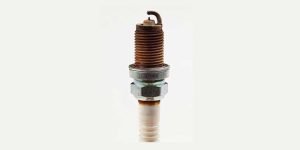
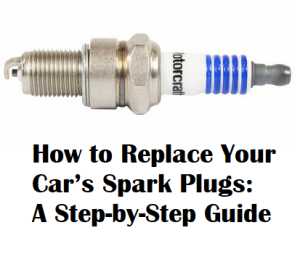
Replace the fuel filter and spark plug on schedule. Check the air filter for dirt.
- Drain fuel before storing the mower for long periods.
- Use a fuel stabilizer to keep ethanol fuel fresh longer.
- Inspect fuel lines and replace if cracked or brittle.
- Run the mower for a few minutes after refueling to clear the carburetor.
Troubleshooting Common Problems
Troubleshooting common problems with mowers running on ethanol gas helps keep machines working well. Ethanol can cause issues not seen with regular gasoline. Knowing how to spot and fix these problems saves time and money.
Many mower owners face starting difficulties and sudden drops in performance when using ethanol fuel. These problems often relate to fuel quality, carburetor clogging, or engine adjustments. Addressing these issues quickly keeps your mower running smoothly.
Starting Issues
Starting problems happen because ethanol can attract water and cause fuel separation. This leads to poor combustion and engine stalling. Check the fuel tank for old or mixed gas. Use fresh fuel with the correct ethanol blend.
- Drain old ethanol gas before storing the mower.
- Clean the carburetor regularly to remove varnish or deposits.
- Inspect spark plugs and replace if dirty or worn.
- Use a fuel stabilizer to keep ethanol fuel fresh longer.
Performance Drops
Performance drops appear as loss of power or uneven engine running. Ethanol can degrade rubber parts and fuel lines, causing leaks or blockages. Verify fuel filters and lines for damage or clogs.
- Replace cracked or brittle fuel lines.
- Check and change the fuel filter to avoid blockages.
- Adjust the carburetor mixture to match ethanol fuel needs.
- Run the engine at full throttle to clear minor clogs.
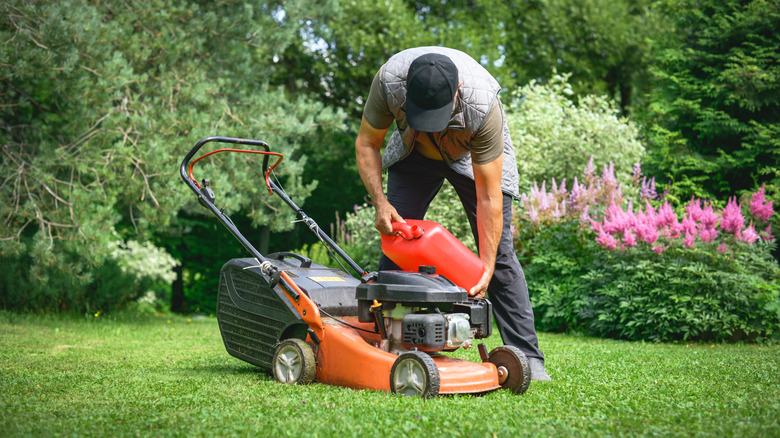
Credit: www.hunker.com
Frequently Asked Questions
Can Lawn Mowers Use Ethanol-blended Gasoline?
Yes, most modern lawn mowers can run on ethanol-blended gasoline up to 10%. Higher ethanol blends may harm the engine.
Is Ethanol Gas Safe For Small Engines Like Mowers?
Ethanol gas is generally safe for small engines if mixed correctly. Excessive ethanol can cause damage and reduce performance.
What Problems Can Ethanol Fuel Cause In Mowers?
Ethanol fuel may cause corrosion, fuel separation, and clogged carburetors in mowers. Using fresh fuel and additives helps prevent these issues.
How To Store Ethanol Gas For Lawn Mowers?
Store ethanol gas in a cool, dry place using sealed containers. Use fuel stabilizers to prolong its shelf life and prevent damage.
Conclusion
Mowers can run on ethanol gas, but it needs care. Ethanol blends may cause engine issues if used often. Check your mower’s manual to see what fuel fits best. Using the right gas keeps your mower running strong. Regular maintenance helps avoid problems and saves money.
Choose fuel wisely to protect your mower’s engine. Clean fuel means better performance and longer life. Keep these tips in mind for a smooth mowing experience.