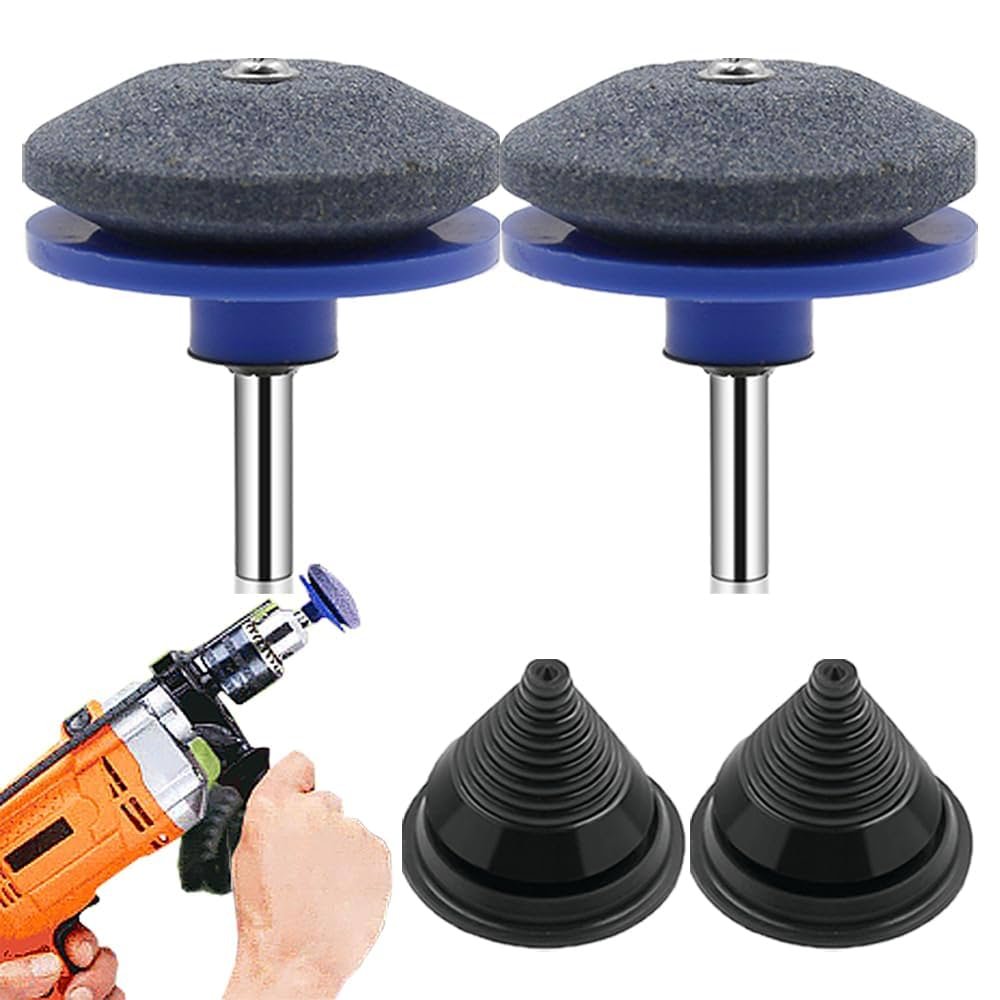
Are your mower blades starting to look dull? You might be wondering if you can sharpen them with a stone instead of buying new ones.
The good news is, yes—you can! But there are some important things you need to know before you grab a stone and get to work. You’ll discover how to safely and effectively sharpen your mower blades with a stone, so your lawn stays perfectly trimmed without wasting money.
Keep reading to learn the simple steps that will make your mower blades sharp again and your grass healthier than ever.
Choosing The Right Stone
Choosing the right stone for sharpening your mower blades can make a big difference in how sharp and durable the edge becomes. Not every stone works well with every blade type, and picking the wrong one can damage your blades or waste your time. Understanding the types of sharpening stones and how their grit matches your blade’s needs helps you get the best results.
Types Of Sharpening Stones
Sharpening stones come in several varieties, each designed for different sharpening tasks. Here are the most common types:
- Oil Stones:Made from materials like aluminum oxide or novaculite, these stones use oil as a lubricant. They provide a smooth finish but require more maintenance.
- Water Stones:These stones use water as a lubricant and tend to sharpen blades faster. They wear down quicker but offer a finer edge.
- Diamond Stones:Embedded with diamond grit, these stones are extremely hard and durable. They work well for very dull or damaged blades and don’t need lubrication.
Choosing between these depends on how often you sharpen, the condition of your blades, and your personal comfort with maintenance.
Stone Grit And Blade Compatibility
The grit of a sharpening stone tells you how coarse or fine it is. Coarser stones remove more metal quickly but leave a rough edge. Finer stones polish and refine the blade edge, making it sharper and longer-lasting.
| Stone Grit | Best For | Blade Condition |
|---|---|---|
| Coarse (80-220) | Repairing nicks or reshaping | Dull or damaged blades |
| Medium (400-600) | Regular sharpening | Blades needing touch-ups |
| Fine (1000+) | Polishing and finishing | Sharp blades needing a smooth edge |
Think about how sharp your blade needs to be and how much metal you want to remove. If you rush with a coarse stone on a slightly dull blade, you might damage it unnecessarily. Have you checked your blade condition before picking a stone?
Credit: www.ihcubcadet.com
Preparing The Mower Blade
Preparing the mower blade is a crucial first step before sharpening it with a stone. This process ensures safety and effectiveness during sharpening. Proper preparation also helps spot any damage that could affect the blade’s performance.
Removing The Blade Safely
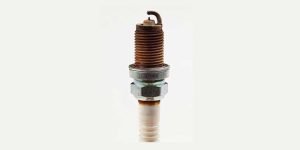
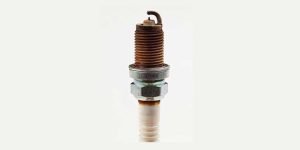
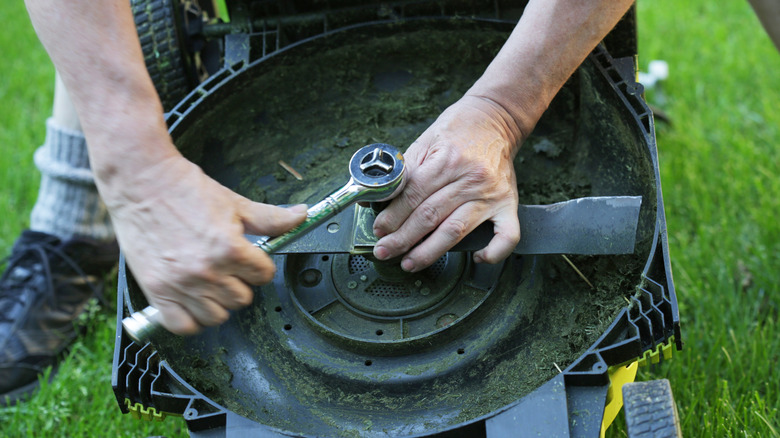
Before removing the blade, disconnect the spark plug wire. This prevents accidental engine starts. Wear thick gloves to protect your hands from sharp edges. Use a wrench or socket to loosen the blade bolts. Hold the blade firmly to stop it from turning. Remove the bolts and carefully take out the blade. Place the blade on a flat, stable surface for cleaning.
Cleaning And Inspecting For Damage
Remove grass, dirt, and debris from the blade. Use a wire brush or cloth for thorough cleaning. Check the blade for cracks, bends, or deep nicks. Any severe damage means the blade should be replaced, not sharpened. Light wear and small nicks can be fixed with sharpening. Ensuring the blade is clean and intact improves sharpening results and mower performance.
Sharpening Techniques
Sharpening mower blades with a stone is a practical skill. It keeps blades sharp and extends their life. Proper techniques ensure effective sharpening and safer use.
Proper Angle For Sharpening
Maintaining the correct angle is vital. The blade’s original angle is usually between 30 and 45 degrees. Holding the stone at this angle helps restore a sharp edge. Too steep or too flat an angle can damage the blade or reduce cutting efficiency.
Using The Stone Effectively
Use a sharpening stone with a coarse side for dull edges and a fine side for finishing. Move the stone in one direction, following the blade’s edge. Apply even pressure without forcing the stone. Keep the stone wet or lubricated to reduce friction and remove metal particles.
Avoiding Common Mistakes
- Don’t sharpen both sides equally; only sharpen the cutting edge.
- Avoid overheating the blade by sharpening too fast or applying too much pressure.
- Do not neglect cleaning the blade before sharpening to prevent dulling.
- Never sharpen a blade with cracks or severe damage; replace it instead.

Credit: www.mowmore.com
Maintaining Blade Sharpness
Keeping mower blades sharp ensures a clean cut and healthy lawn. Using a stone for sharpening is effective and eco-friendly. Regular maintenance prevents dull blades and promotes efficient mowing.
Regular Sharpening Schedule
Establish a consistent sharpening routine for optimal performance. Sharpen blades every 20-25 hours of use. Frequent sharpening prevents excessive wear and tear. It also extends the blade’s lifespan.
Balancing The Blade After Sharpening
Balancing is crucial after sharpening with a stone. An unbalanced blade causes vibrations and uneven cuts. Use a blade balancer to check the balance. Adjust as needed for smooth operation.
Safety Tips
Sharpening mower blades with a stone requires care and caution. Safety is key to avoid injuries and damage. Follow important safety tips before and during the sharpening process. Taking simple precautions keeps the task safe and effective.
Protective Gear To Use
Always wear protective gear before starting. Safety glasses protect your eyes from metal shards. Thick gloves shield your hands from sharp edges. Closed-toe shoes prevent foot injuries from falling blades. Long sleeves and pants add extra skin protection.
Handling Blades Carefully
Handle blades with care to avoid cuts. Keep your fingers away from sharp edges. Secure the blade firmly before sharpening. Use tools to hold blades instead of bare hands. Clean blades before sharpening to remove dirt and rust.
Credit: www.slashgear.com
Alternatives To Stone Sharpening
If you’ve tried sharpening mower blades with a stone, you might have found it takes time and effort to get the edge just right. Luckily, there are other options that can save you energy and deliver sharper results. Exploring alternatives can help you maintain your mower’s performance without frustration.
Using Power Sharpeners
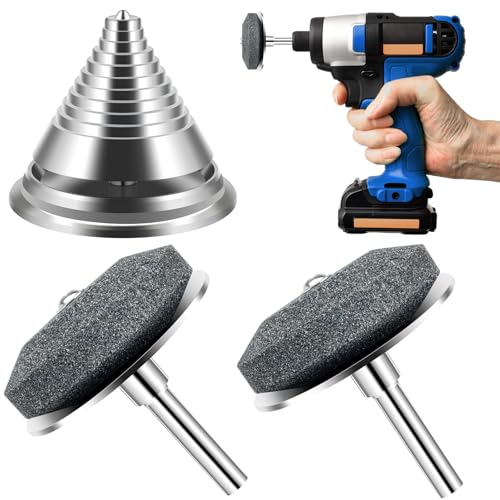
Power sharpeners, such as bench grinders or rotary tools, speed up the sharpening process significantly. They allow you to quickly reshape and hone the blade’s edge with precision. However, it’s important to control the speed and pressure to avoid overheating the metal, which can weaken the blade.
Using these tools requires some practice. If you’re new to power sharpening, start slow and check your progress often. Have you noticed how much faster the job goes with a powered tool compared to a stone?
Professional Sharpening Services
If you want a perfectly balanced, razor-sharp blade without lifting a finger, professional sharpening services are a great choice. Experts use specialized equipment and techniques that ensure your blades last longer and cut cleaner. This option saves time and guarantees a level of sharpness that’s hard to achieve at home.
Many lawn care shops offer blade sharpening, often while you wait. Think about the hours you could reclaim by letting a professional handle this task. Would you be willing to invest a small fee to get your mower blades sharpened flawlessly?
Frequently Asked Questions
Can Mower Blades Be Sharpened With A Stone?
Yes, mower blades can be sharpened with a sharpening stone. A stone effectively hones the blade edges, restoring sharpness for cleaner cuts. Regular sharpening improves mowing efficiency and blade lifespan.
What Type Of Stone Is Best For Sharpening Mower Blades?
A fine-grit sharpening stone or whetstone is best for mower blades. It removes metal smoothly without damaging the blade. Avoid coarse stones that can cause uneven edges or blade weakening.
How Often Should Mower Blades Be Sharpened With A Stone?
Sharpen mower blades every 20-25 hours of use or at least once a mowing season. Regular sharpening prevents dullness, ensuring a neat cut and healthier grass. Inspect blades frequently for nicks or damage.
Can Sharpening Mower Blades With A Stone Damage The Blade?
If done correctly, sharpening with a stone does not damage mower blades. Use consistent, gentle strokes at the correct angle. Avoid aggressive grinding or uneven pressure to maintain blade balance and strength.
Conclusion
Stone can sharpen mower blades well if used carefully. It removes dull edges and smooths the blade surface. A sharp blade cuts grass cleanly and helps your mower work better. Take your time and keep safety in mind while sharpening.
Regular blade care saves money and keeps your lawn healthy. Try stone sharpening to keep your mower blades ready for action.