Are your mower blades dull and not cutting as well as they used to? You might be wondering if you can sharpen them quickly without special tools.
What if all you had was some sandpaper? It sounds simple, but can sandpaper really bring your blades back to life? Keep reading, because understanding this could save you time, money, and a lot of frustration. You deserve a sharp mower that makes your lawn look perfect, and knowing the right way to sharpen your blades is the first step.
Mower Blade Basics
Mower blades are key parts of your lawn mower. They cut grass and keep your yard neat. Knowing about mower blades helps you maintain them better. Sharp blades cut cleanly and protect your grass. Dull blades tear grass, causing damage and uneven cuts.
Blade Types
Mower blades come in different shapes and sizes. The most common types are:
- Mulching blades – cut grass into tiny pieces to nourish soil
- Recycling blades – lift and cut grass, then blow clippings into the bag
- Bagging blades – designed to cut and send grass clippings into a catcher
- High-lift blades – create strong airflow to lift grass for a cleaner cut
Each blade type suits different mowing needs. Using the right blade improves cutting and lawn health.
Signs Blades Need Sharpening
Check mower blades regularly for these signs:
- Grass looks torn or ragged after mowing
- Mower vibrates more than usual
- Cutting takes longer or needs several passes
- Edges of blades look dull or nicked
- Grass clippings scatter unevenly
Sharp blades make mowing easier and healthier for your lawn.

Credit: www.youtube.com
Sandpaper As A Sharpening Tool
Using sandpaper to sharpen mower blades might sound unusual, but it’s a practical option for many DIY enthusiasts. Sandpaper allows you to carefully grind down dull edges and restore a sharp cutting surface without needing specialized tools. If you’ve ever tried sharpening blades with a file or grinder, you know how tricky it can be to control the angle—sandpaper offers a gentler, more manageable approach.
Choosing The Right Grit
The grit of sandpaper determines how much material it removes and how smooth the surface becomes. For mower blades, start with a coarse grit like 60 or 80 to remove nicks and dull edges quickly. Then, switch to a finer grit such as 120 or 150 to polish and refine the blade’s edge.
Choosing the right grit is about balance. Too coarse, and you risk removing too much metal or creating uneven spots. Too fine, and sharpening will take much longer. Have you noticed how the blade feels after each pass? That feedback helps you decide when to move to the next grit.
Advantages Of Using Sandpaper
- Cost-effective:Sandpaper is cheap and easily available at any hardware store.
- Control:You can sharpen small areas precisely, especially around curves or tricky spots.
- Less heat:Sandpaper doesn’t generate the heat that power tools do, reducing the risk of damaging the blade’s temper.
- Quiet and safe:No loud noise or sparks, making it safer and less disruptive in your workspace.
Using sandpaper takes more elbow grease than electric sharpeners, but it’s a great way to get the job done if you want to avoid trips to the shop. Have you tried sanding down anything sharp before? You might find the process surprisingly satisfying and effective.
Step-by-step Sharpening Process
Sharpening your mower blades with sandpaper is a practical solution that saves money and extends the life of your equipment. The process is straightforward, but it requires attention to detail and care to get the best results. Below is a clear, step-by-step approach to help you sharpen your mower blades effectively and safely.
Safety Precautions
Before you start, make sure your mower is completely off and disconnected from any power source. This prevents accidental startups that can cause injury.
Wear sturdy gloves to protect your hands from sharp edges and flying debris. Safety goggles are also essential to shield your eyes from dust and metal particles.
Work in a well-ventilated area, and keep your workspace clean to avoid slips or mishaps. Do you have a secure spot where you can focus without distractions?
Preparing The Blade
Remove the blade from your mower using the right tools, usually a wrench or socket set. This makes sharpening easier and more precise.
Clean the blade thoroughly with a wire brush or cloth to remove grass, dirt, and rust. A clean surface helps the sandpaper work more effectively.
Inspect the blade for deep nicks or bends; severe damage might require replacement rather than sharpening.
Sharpening Technique
Choose a coarse-grit sandpaper (around 80 grit) to start reshaping the blade’s edge. Wrap the sandpaper around a flat block for better control.
Hold the blade steady and sand along the edge in one direction, matching the original bevel angle. This ensures a consistent and sharp edge.
After the initial pass, switch to finer grit (120-150) to smooth the edge and remove any roughness. How steady is your hand when working on sharp tools?
Finishing Touches
Wipe the blade clean to remove any metal dust or residue. Check the balance by placing the blade on a nail or blade balancer; an unbalanced blade can cause mower vibration.
If needed, remove a little more metal from the heavier side to balance it. Finally, reinstall the blade securely and test your mower for smooth operation.

Credit: www.amazon.com
Alternative Sharpening Methods
If you’re wondering whether sandpaper is the right tool to sharpen your mower blades, there are actually several other options worth considering. Each alternative has its own set of benefits and can suit different skill levels and equipment availability. Let’s take a closer look at some practical ways to get those blades sharp and ready for action.
Using A File
A sturdy metal file is a classic choice for sharpening mower blades. It gives you control and precision, especially if you’re comfortable with manual tools. You simply clamp the blade down, then run the file along the edge at the same angle as the original bevel.
This method requires some elbow grease but can be very effective. Have you tried filing something like this before? It’s satisfying to see the metal edge transform under your hands, and you avoid the risk of overheating the blade.
Electric Sharpeners
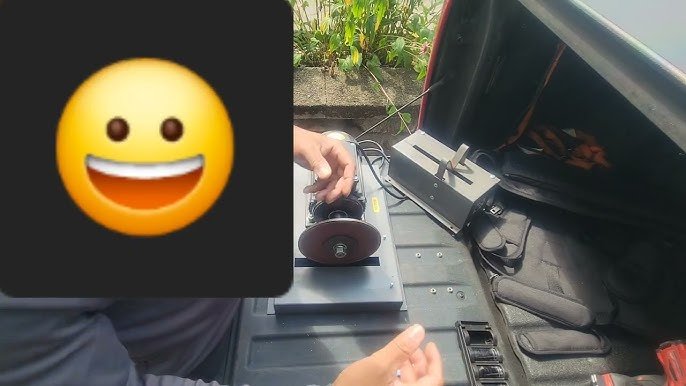
Electric sharpeners speed up the process significantly. These devices often come with grinding wheels designed to handle mower blades safely and efficiently. You just need to hold the blade steady and guide it against the rotating wheel.
Keep in mind that overheating can ruin blade temper, so it’s best to take breaks and not press too hard. If you want quick, consistent results and don’t mind investing a bit, an electric sharpener can be a game-changer.
Professional Services
Sometimes, leaving it to the pros is the smartest choice. Many lawn care shops offer sharpening services that ensure your blades are balanced and honed to perfection. They use professional-grade tools that most homeowners don’t have access to.
This option saves you time and guarantees a sharp edge, but it does come with a cost. Ask yourself if the convenience and quality are worth it compared to doing it yourself.
Maintenance Tips For Sharp Blades
Mower blades can be sharpened using sandpaper, but it takes time and effort. Fine-grit sandpaper smooths edges but may not create a sharp cut like a grinder. Regular sharpening helps maintain blade performance and extends blade life.
Maintaining sharp mower blades is essential for a healthy and attractive lawn. A sharp blade cuts grass cleanly, reducing the chance of disease and ensuring a neat appearance. Using sandpaper to sharpen your blades is a simple and cost-effective method, but regular maintenance is key to keeping them in prime condition.Regular Cleaning
Consistently clean your mower blades to prevent dullness. Grass clippings and dirt can build up quickly, reducing effectiveness. After mowing, take a few minutes to wipe the blades with a damp cloth or a brush. This routine keeps the blades sharp and ready for the next use. Have you ever noticed how easier it is to cut through grass with clean, sharp blades?Proper Storage
Storing your mower in a dry place extends the life of your blades. Moisture can lead to rust, which dulls blades over time. Consider hanging your mower or placing it on a rack to avoid contact with damp surfaces. Think about the last time you left your mower outside—did you see any rust forming? Proper storage protects your investment and ensures efficient performance.Timely Sharpening
Sharpening blades with sandpaper is a straightforward task you can schedule regularly. Check your blades every month during the mowing season. Look for signs of dullness, such as uneven grass cuts or torn grass tips. If sharpening is needed, use medium-grit sandpaper and work in a consistent motion. How often do you assess your blades’ sharpness? Staying proactive keeps your lawn looking its best. By incorporating these simple maintenance tips into your routine, you’ll enjoy a healthier lawn and extend the life of your mower blades.
Credit: www.amazon.com
Frequently Asked Questions
Can You Sharpen Mower Blades With Sandpaper?
Yes, you can sharpen mower blades with fine-grit sandpaper. It removes small nicks and smooths edges. However, it’s less efficient than a file or grinder for dull blades. Sandpaper is best for quick touch-ups and light sharpening.
Is Sandpaper Effective For Mower Blade Maintenance?
Sandpaper is effective for minor blade maintenance. It smooths rough edges and removes rust. For heavily damaged blades, use a sharpening stone or grinder. Regular sanding helps maintain blade sharpness between full sharpenings.
How Often Should Mower Blades Be Sharpened?
Mower blades should be sharpened every 20-25 hours of use. Frequent sharpening improves cutting performance and lawn health. Check blades regularly for nicks and dullness. Sandpaper can be used for quick touch-ups between sharpenings.
Can Sandpaper Damage Mower Blades?
Using coarse sandpaper can damage mower blades by removing too much metal. Always use fine-grit sandpaper for light sharpening. Avoid aggressive sanding that alters blade balance. Proper sanding maintains blade integrity and cutting efficiency.
Conclusion
Sharpening mower blades with sandpaper is possible but not ideal. Sandpaper can smooth edges but may not create a sharp cut. Using a file or grinder usually works better and lasts longer. Always keep safety in mind while sharpening blades.
Sharp blades help your lawn look neat and healthy. Regular blade maintenance saves money and improves mower performance. Simple tools and careful work can keep your mower ready. Try different methods to find what works best for you.