Are your mower blades looking dull and less effective? You might be wondering if you can sharpen them yourself using an oil stone.
The good news is, you can! But is it the right tool for the job? You’ll discover how an oil stone works, whether it’s the best choice for sharpening your mower blades, and simple tips to get your blades cutting like new again.
Keep reading to save time, money, and get your lawn mower back in top shape.
Choosing The Right Oil Stone
Choosing the right oil stone is crucial for sharpening mower blades effectively. The wrong stone can damage your blade or leave it dull, costing you time and effort. Understanding what type of oil stone to use, the grit levels available, and how your blade’s material affects your choice will help you get a sharp edge every time.
Types Of Oil Stones
Oil stones come in three main types: natural, synthetic, and bonded. Natural stones are made from quarried materials and tend to wear unevenly but provide a fine finish. Synthetic stones, made from materials like aluminum oxide or silicon carbide, are more consistent and durable.
Bonded stones are created by mixing abrasive particles with a bonding agent. They come in various shapes and sizes, making them versatile for different blade edges. Think about how often you sharpen and the level of precision you need before picking a type.
Grit Levels Explained
Grit level tells you how coarse or fine the stone is, which affects how much metal it removes. Coarse stones (around 120-220 grit) remove metal quickly, perfect for fixing nicks or reshaping a blade. Medium stones (around 320-600 grit) are ideal for regular sharpening and maintaining the edge.
Fine stones (above 600 grit) polish the blade and create a razor-sharp finish. If you skip the right grit, you might either waste time or fail to get a sharp edge. Consider your blade’s current condition before choosing grit.
Selecting Based On Blade Material
Different mower blades are made from various steel types, affecting the stone you should use. Harder steels need finer stones to avoid damaging the edge, while softer steels can handle coarser stones without issue. If your blade is stainless steel, choose stones that won’t cause corrosion.
Ask yourself: what steel is your blade made of? This simple question guides your stone choice and prevents unnecessary wear. Knowing this helps you sharpen safely and extend your blade’s life.
Preparing The Mower Blade
Preparing the mower blade is the first important step before sharpening it with an oil stone. This process ensures the blade is clean, safe, and ready for sharpening. Proper preparation helps achieve a smooth, sharp edge and extends the blade’s life.
Cleaning And Inspecting
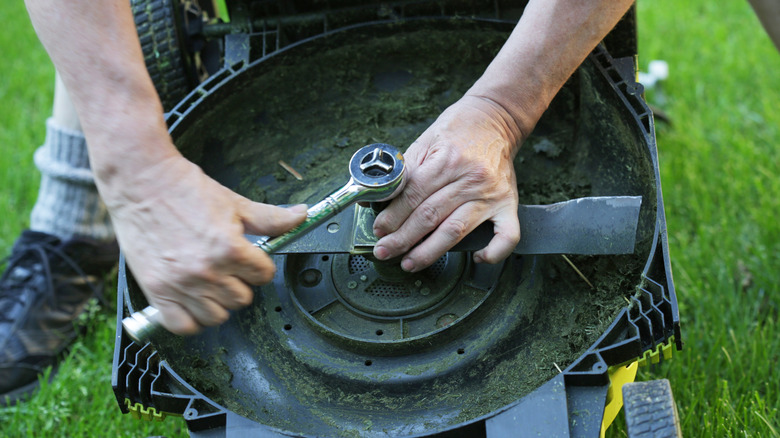
Start by removing the mower blade from the mower. Use a brush or cloth to clean dirt and grass clippings. Check the blade carefully for cracks, bends, or deep nicks. A damaged blade should be replaced, not sharpened. Look for worn areas that need extra attention during sharpening.
Removing Rust And Debris
Rust and debris can block the sharpening process. Use a wire brush or sandpaper to scrub off any rust spots. Clean the blade with a cloth soaked in mineral spirits or a mild solvent to remove grease. Make sure the blade is dry before moving to the next step. A clean blade sharpens more evenly and safely.
Safety Precautions
- Wear thick gloves to protect your hands from cuts.
- Use eye protection to guard against flying particles.
- Work in a well-lit, stable area to avoid accidents.
- Secure the blade firmly using a vise or clamp.
- Disconnect the mower’s spark plug to prevent accidental starts.
Following these safety steps keeps you protected during the sharpening process.
Sharpening Techniques
Sharpening mower blades with an oil stone requires careful technique. It ensures the blades cut smoothly and last longer. Proper sharpening improves lawn health and mower efficiency. Follow these steps to get the best results.
Setting The Correct Angle
Find the blade’s factory angle. Usually, it ranges between 30 and 45 degrees. Holding the blade at the right angle keeps the edge sharp. Use a protractor or angle guide for accuracy. Maintaining this angle prevents uneven sharpening.
Using The Oil Stone Effectively
Apply a few drops of oil on the stone’s surface. This reduces friction and removes metal particles. Move the blade edge across the stone in smooth, even strokes. Sharpen both sides of the blade equally. Clean the stone regularly to maintain its effectiveness.
Maintaining Consistent Pressure
Press lightly but firmly on the blade while sharpening. Too much pressure can damage the blade edge. Too little pressure won’t sharpen properly. Keep the force steady during each stroke. Consistency helps create a sharp, even edge every time.
Benefits Of Using Oil Stones
Oil stones offer a traditional way to sharpen mower blades. They bring several benefits that can enhance the performance and lifespan of your tools. Understanding these benefits can help you maintain a sharp edge on your mower blades, ensuring a clean cut every time.
Smooth And Precise Sharpening
Oil stones provide a smooth sharpening surface. This ensures precise sharpening of mower blades. Their fine grit allows for controlled abrasion. It minimizes the risk of over-sharpening. The result is a clean edge with fewer imperfections.
Extending Blade Lifespan
Regular sharpening with oil stones extends blade life. By maintaining a sharp edge, you reduce wear and tear. This means the blades last longer. Consistent sharpening prevents the need for frequent replacements. It keeps your mower performing efficiently.
Cost-effectiveness
Oil stones are a cost-effective sharpening option. They are durable and last for years. Unlike electric sharpeners, they don’t need power. This saves on electricity costs. Investing in an oil stone is a one-time expense. It offers long-term savings with minimal maintenance required.
Common Mistakes To Avoid
Sharpening mower blades with an oil stone can save you money and improve your lawn’s appearance, but it’s easy to make mistakes that reduce the blade’s effectiveness or even cause damage. Avoiding common errors ensures your blades stay sharp longer and cut cleanly. Let’s look at some pitfalls you should watch out for.
Over-sharpening
It might seem like sharpening as much as possible will make your mower blade sharper, but too much grinding actually wears the metal down unnecessarily. Over-sharpening can change the blade’s shape and weaken its edges, leading to faster dulling and potential breakage.
Think about how often you sharpen—if you do it every time you mow, you might be removing too much material each time. Instead, sharpen only when the blade shows clear signs of dullness, and stop as soon as you regain a clean edge.
Ignoring Blade Balance
After sharpening, many forget to check if the blade is still balanced. An unbalanced blade can cause vibrations that damage your mower’s engine and lead to uneven cuts.
Try hanging the blade on a nail or using a blade balancer to see if one side is heavier. If it tips, remove a bit more metal from the heavier side. Balancing is quick but crucial for smooth mowing.
Skipping Safety Measures
Sharpening mower blades can be risky if you don’t protect yourself properly. Many skip wearing gloves or safety glasses, which increases the chance of cuts or eye injuries from metal shards.
Always disconnect the spark plug before removing the blade to avoid accidental starts. Use sturdy gloves and safety glasses, and handle the blade carefully—sharp edges can cut even when the blade isn’t spinning.
Credit: www.slashgear.com
Alternative Sharpening Tools
Finding the right tool to sharpen your mower blades can make a big difference in both the effort you put in and the quality of the cut. While oil stones are a classic choice, there are several alternative sharpening tools that might suit your needs better depending on your experience, available equipment, and how often you sharpen blades. Let’s take a closer look at some practical options you might want to consider.
Grinding Wheels
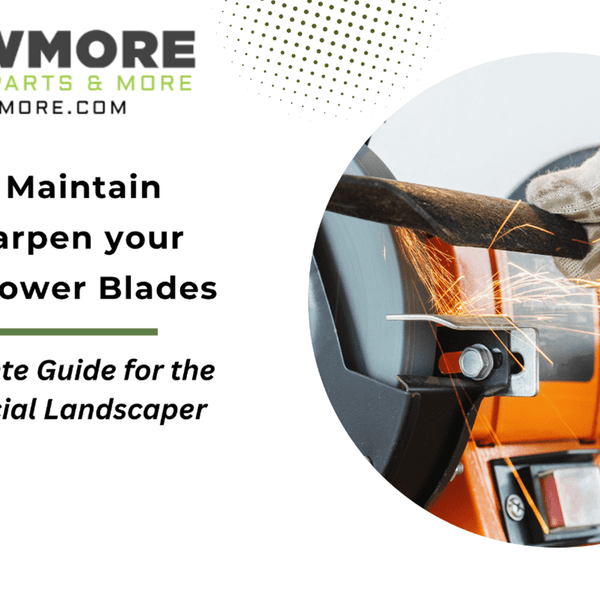
Grinding wheels offer a fast and effective way to sharpen mower blades. They remove metal quickly, which is great if your blades are very dull or damaged. However, they require a steady hand to avoid overheating the blade, which can reduce its durability.
If you have access to a bench grinder, it’s a solid choice. Just remember to keep the blade cool by dipping it in water frequently. Have you ever tried using a grinding wheel? How did it affect your blade’s sharpness?
File Sharpeners
Hand files are a simple and affordable tool for sharpening mower blades. They give you more control over the sharpening process and help you maintain the original angle of the blade edge. This makes files ideal if you want precision without needing power tools.
Using a file takes more time and effort, but it’s often worth it for the clean, sharp edge you get. Plus, files are easy to carry around and don’t require electricity, making them perfect for quick touch-ups in your yard. Have you ever noticed how much smoother your mower runs after a good filing session?
Electric Sharpeners
Electric sharpeners combine speed with ease of use. They are designed to sharpen blades quickly while maintaining a consistent angle, which can be tricky with manual tools. Many models come with guides and clamps that hold the blade steady during sharpening.
If you have several blades to sharpen or prefer a hassle-free method, electric sharpeners can save you a lot of time. Just make sure to choose one with adjustable settings to avoid removing too much metal. Could this be the tool that takes your mower maintenance from chore to quick fix?
Maintaining Sharp Blades
Maintaining sharp mower blades is essential for a clean, even cut and longer blade life. Sharp blades reduce strain on the mower’s engine and improve lawn health. Proper care keeps blades effective and saves money on replacements.
Regular Cleaning
Cleaning mower blades after each use prevents rust and buildup. Grass clippings, dirt, and sap can dull blades quickly. Use a brush or cloth to remove debris. Dry the blades thoroughly to avoid moisture damage.
Proper Storage
Store mower blades in a dry place to stop rust formation. Avoid leaving the mower outside in wet weather. Cover blades or the entire mower with a protective sheet. This keeps blades sharp and ready for the next use.
Timely Resharpening
Check blades regularly for dullness or nicks. Sharpen blades with an oil stone to maintain their edge. Resharpen before the blade becomes too damaged. Sharp blades cut grass cleanly, improving lawn appearance and mower efficiency.
Credit: www.mowmore.com
.png)
Credit: www.misterworker.com
Frequently Asked Questions
Can Mower Blades Be Sharpened Using An Oil Stone?
Yes, mower blades can be sharpened with an oil stone. It smooths edges and removes small nicks. Use light oil to lubricate the stone for efficient sharpening. This method is safe and effective for maintaining blade sharpness.
What Are The Benefits Of Sharpening Blades With Oil Stone?
Sharpening with an oil stone produces a smooth, precise edge. It prevents blade damage and extends mower life. The oil reduces friction, making sharpening easier. This method is economical and improves cutting performance.
How Often Should Mower Blades Be Sharpened With Oil Stone?
Sharpen mower blades every 20-25 hours of use or once per season. Regular sharpening ensures clean cuts and healthy grass. Check blades for dullness or damage before sharpening to maintain efficiency.
Is Using An Oil Stone Better Than Other Sharpening Tools?
Oil stones offer a fine, controlled sharpening experience. They remove metal evenly without overheating blades. Compared to grinders, oil stones are safer and more precise. However, they require more time and effort.
Conclusion
Sharpening mower blades with an oil stone works well. It keeps blades sharp and cuts grass cleanly. Using an oil stone is simple and safe. Regular sharpening helps your mower work better and last longer. Sharp blades save fuel and protect your lawn.
Try it carefully to avoid injury or damage. A sharp mower blade makes yard work easier and faster. Keep your blades sharp for the best results.