Are your mower blades looking dull and struggling to cut through grass smoothly? You might be wondering if you can fix them yourself without buying new ones.
The good news is, you probably have the perfect tool right at your fingertips—a Dremel. But can mower blades really be sharpened with a Dremel? If you’ve ever thought about saving time and money by sharpening your blades at home, this article is for you.
Keep reading to discover how you can bring your mower blades back to life safely and effectively using a Dremel. Your lawn will thank you!

Credit: visapoint.travel
Dremel Tool Basics
The Dremel tool is a versatile rotary device known for its precision and ease of use. Many homeowners and hobbyists find it handy for small sharpening tasks, including mower blades. Understanding the basics of this tool can help you decide if it’s the right choice for sharpening your mower blade safely and effectively.
Key Features For Sharpening
The Dremel tool offers variable speed control, which is essential for sharpening mower blades without overheating the metal. Its compact design allows you to maneuver easily around the blade’s edges, ensuring an even sharpen.
Look for a model with a comfortable grip and enough power—around 10,000 to 35,000 RPM is ideal. This range gives you control while maintaining enough force to sharpen tough steel.
Choosing The Right Attachment
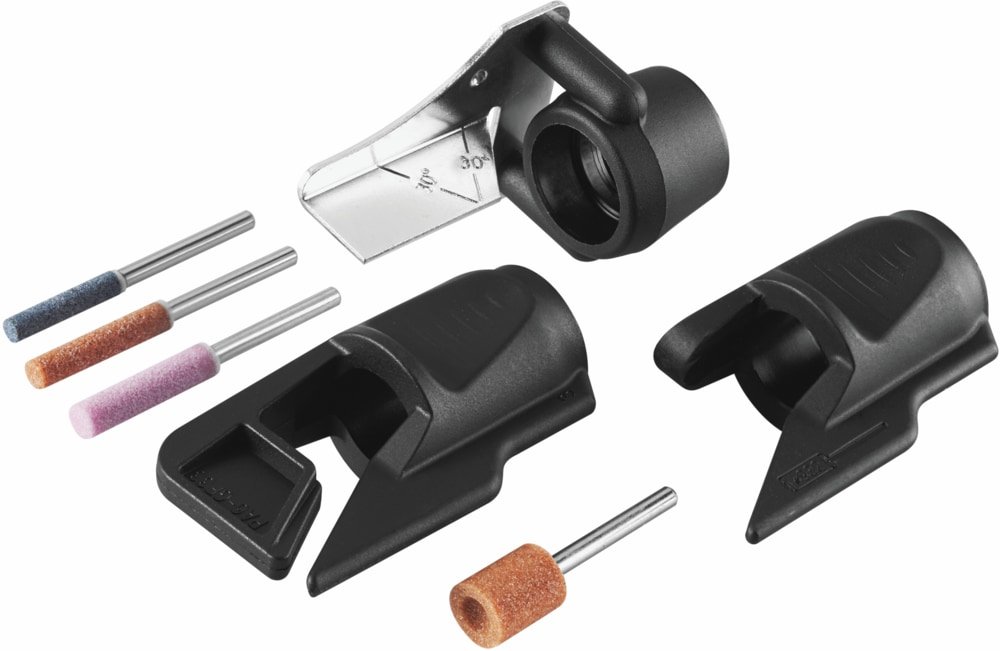
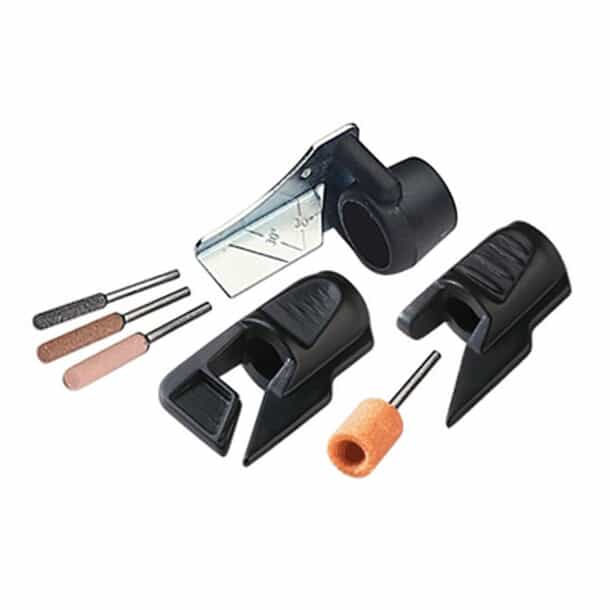
Picking the correct attachment makes all the difference. A grinding stone or a sharpening bit specifically designed for metal works best.
- Grinding stones are great for removing nicks and reshaping edges.
- Sharpening bits help refine and smooth the blade after initial grinding.
- A wire brush attachment can clean rust and debris before sharpening.
Using the wrong attachment can damage your blade or wear out the tool faster. Have you checked what attachments come with your Dremel before starting?
Credit: www.homehardware.ca
Preparing Mower Blades
Preparing mower blades is a key step before sharpening them with a Dremel tool. Proper preparation ensures safety and better results. Take your time to get the blades ready for sharpening. This process involves important safety measures and careful blade removal.
Safety Precautions
Always wear heavy gloves to protect your hands from sharp edges. Use safety glasses to shield your eyes from metal sparks. Work in a well-ventilated area to avoid inhaling dust or fumes. Make sure the mower is turned off and the spark plug is disconnected. This prevents accidental starts during blade handling.
Removing The Blade
Start by flipping the mower onto its side, with the air filter up to avoid oil leaks. Use a wrench to loosen the bolt holding the blade. Hold the blade firmly with a block of wood to stop it from turning. Remove the bolt and gently take off the blade. Clean the blade with a wire brush to remove grass and dirt before sharpening.
Sharpening Process
Sharpening mower blades with a Dremel tool can restore their cutting power efficiently. The process requires patience and attention to detail. A dull blade affects lawn health and mower performance. Using a Dremel helps achieve a sharp edge without removing the blade from the mower.
Proper technique ensures safety and the best results. Below is a clear guide on how to sharpen blades using a Dremel tool.
Step-by-step Guide
- Wear safety goggles and gloves before starting.
- Remove the mower blade carefully and clean off dirt.
- Secure the blade on a stable surface using a clamp.
- Attach a grinding stone bit to the Dremel tool.
- Turn on the Dremel and gently grind along the blade edge.
- Move the tool smoothly from the base to the tip of the blade.
- Sharpen both sides evenly for balanced cutting.
- Wipe the blade clean and check the sharpness.
- Reinstall the blade firmly on the mower.
Maintaining Blade Angle
Keep the original angle of the blade edge while sharpening. This angle is usually around 30 to 45 degrees. Maintaining it ensures the blade cuts grass efficiently and reduces wear.
Hold the Dremel steady to avoid changing the angle. Use slow, controlled movements. Check the blade angle often during sharpening. A consistent angle improves mower performance and blade longevity.
Avoiding Common Mistakes
- Do not overheat the blade; it can lose hardness.
- Avoid removing too much metal to keep blade balance.
- Do not sharpen one side only; balance is crucial.
- Never rush; uneven edges cause poor cutting.
- Make sure the blade is securely clamped to prevent slips.
- Always disconnect mower spark plug before blade removal.
Post-sharpening Care
After sharpening mower blades with a Dremel, clean off any metal dust carefully. Apply a light coat of oil to prevent rust and keep blades sharp longer. Store blades in a dry place to maintain their condition.
After you’ve sharpened your mower blades with a Dremel, the job isn’t quite finished. Proper post-sharpening care ensures that your blades are not only sharp but also safe and effective. This step is crucial for maintaining the performance of your lawn mower and extending the lifespan of its blades.Balancing The Blade
Balancing the blade is a critical step. A poorly balanced blade can lead to uneven cutting and potential damage to your mower. To check the balance, place the blade on a nail or a blade balancer. If one side dips, it indicates an imbalance. You can remedy this by removing a small amount of metal from the heavier side with the Dremel.Cleaning And Reinstalling
Before reinstalling, clean the blade thoroughly. Wipe away any metal shavings or debris that may have accumulated during sharpening. Reattach the blade securely, ensuring that it is aligned correctly. This prevents any wobbling or vibration when you start mowing. Tighten the bolts properly to prevent the blade from coming loose. A well-secured blade is key to safe and efficient mowing. Have you ever skipped this crucial post-sharpening step? It might be time to give your mower blades the care they deserve.Alternative Sharpening Methods
If you’re wondering about sharpening your mower blades but don’t have a Dremel tool handy, there are practical alternatives you can consider. These methods often require less investment in specialized equipment and can still give you a sharp, efficient blade. Let’s explore some straightforward ways to keep your mower blades in top shape.
Using A File
A simple metal file can be a reliable tool for sharpening mower blades. You just need to clamp the blade securely and follow the angle of the existing edge as you file. It might take a bit more elbow grease compared to power tools, but the control you get is excellent.
Make sure to use a coarse file designed for metal and move in one direction, away from yourself. This technique reduces the risk of uneven edges, which can cause vibration or damage when mowing. Have you tried filing before? You might be surprised how effective a few passes can be.
Professional Services
If you’re short on time or want a guaranteed sharp blade, professional sharpening services are a smart choice. Many hardware stores or garden centers offer blade sharpening for a small fee. They use specialized equipment to restore the blade’s balance and edge perfectly.
Sending your blades to a professional can extend their lifespan and improve your mower’s performance. Plus, it removes the guesswork—you’ll know the job is done right. Would you rather spend your weekend sharpening or mowing your lawn?

Credit: www.reddit.com
Benefits Of Sharpened Blades
Keeping your mower blades sharp can make a noticeable difference in how well your lawn looks and how smoothly your mower runs. Sharp blades cut grass cleanly, which helps your lawn stay healthy and vibrant. Plus, sharpening blades with a tool like a Dremel can save you money and extend the life of your mower.
Improved Cutting Efficiency
Sharp blades slice through grass effortlessly, reducing the strain on your mower’s engine. This means your mower uses less fuel and runs cooler, which can prevent overheating. Have you ever noticed how dull blades leave ragged grass edges? Sharp blades avoid that by delivering a clean, precise cut.
Using a Dremel to sharpen your blades lets you get a fine edge quickly and accurately. This can make mowing faster and your lawn look neater after each cut.
Extended Mower Life
Dull blades force your mower to work harder, which wears down parts faster and leads to costly repairs. Keeping blades sharp reduces vibration and stress on the mower’s motor and components. This simple maintenance step can add years to your mower’s lifespan.
Sharpening blades yourself with a Dremel is an easy way to protect your investment. Instead of buying new blades often, you can maintain the ones you have and keep your mower in better shape for longer.
Frequently Asked Questions
Can You Sharpen Mower Blades Using A Dremel Tool?
Yes, a Dremel tool can sharpen mower blades effectively. Use a grinding attachment to carefully sharpen blade edges for better cutting performance.
Is A Dremel Better Than A File For Blade Sharpening?
A Dremel offers precision and speed compared to a manual file. It’s ideal for quick, detailed sharpening but requires steady hands.
How Often Should Mower Blades Be Sharpened With A Dremel?
Sharpen mower blades every 20-25 hours of use. Regular sharpening maintains cutting efficiency and extends blade lifespan.
What Safety Tips Are Essential When Using A Dremel?
Always wear safety goggles and gloves. Secure the blade firmly and work in a well-ventilated area to avoid injury.
Conclusion
Sharpening mower blades with a Dremel is possible and practical. It saves money and extends blade life. The Dremel tool offers control and precision for sharpening edges. Remember to wear safety gear and follow instructions carefully. Regular sharpening improves cutting performance and lawn health.
Keep blades balanced for smooth mowing. This simple task helps your mower work better. Try sharpening blades at home before buying new ones. A sharp blade means a cleaner cut and a healthier lawn.