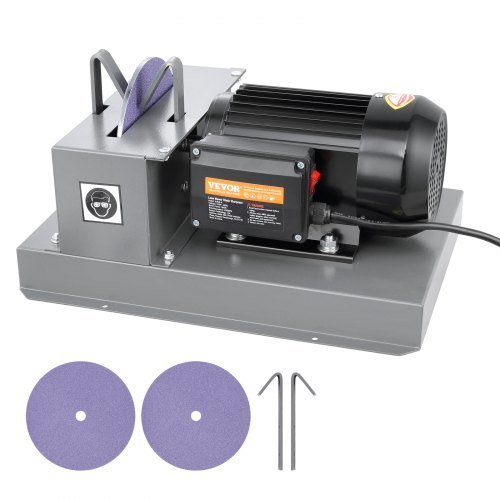
Are your mower blades getting dull and leaving your lawn uneven? You might be wondering if you can sharpen them yourself using a bench grinder wheel.
The good news is, you can! But is it the right tool for the job? You’ll discover exactly how to sharpen your mower blades safely and effectively with a bench grinder. By the end, you’ll know the steps to bring your blades back to life and keep your lawn looking sharp all season long.
Keep reading to find out how to save time and money by sharpening your mower blades at home!

Credit: www.vevor.ca
Choosing The Right Grinder Wheel
Choosing the right grinder wheel is key to sharpening mower blades effectively. The correct wheel makes the job easier and safer. It helps maintain the blade’s shape and sharpness. Picking the wrong wheel can damage the blade or grinder. Understanding the types, materials, and sizes of grinder wheels ensures better results.
Types Of Grinder Wheels
Grinder wheels come in several types. Each type suits different materials and tasks.
- Aluminum Oxide:Common for metal sharpening. Good for mower blades.
- Silicon Carbide:Harder and sharper. Best for non-ferrous metals and soft steels.
- Ceramic:Long-lasting and stays sharp. Ideal for tough sharpening jobs.
- Diamond:Extremely hard. Used for very precise grinding on hard materials.
Best Wheel Material For Mower Blades
Aluminum oxide wheels suit mower blades best. They handle steel well and grind smoothly. This material balances sharpness and durability. Ceramic wheels also work but cost more. Silicon carbide wheels might wear out faster on mower blades. Diamond wheels are usually unnecessary for this task.
Wheel Grit And Size Considerations
Wheel grit affects the sharpness and finish of the blade edge. Coarse grit (24-36) removes metal fast but leaves rough edges. Medium grit (60-80) balances speed and smoothness. Fine grit (100+) gives a polished edge but grinds slowly.
For mower blades, medium grit wheels work best. They sharpen quickly without damaging the blade.
Wheel size impacts control and grinding area. Smaller wheels (6-8 inches) offer better precision. Larger wheels grind faster but can be harder to control. Choose a size that fits your grinder and comfort level.
Preparing The Mower Blade
Before you start sharpening your mower blade with a bench grinder wheel, preparing the blade properly is crucial. This step sets the foundation for an effective sharpening process and ensures safety throughout the task. Taking time to prepare your blade carefully can save you from unnecessary damage or injury.
Removing The Blade Safely
First, disconnect the spark plug wire to prevent accidental starts. Use a wrench to loosen the bolts holding the blade in place, turning them counterclockwise. If the blade is stuck, apply some penetrating oil and wait a few minutes before trying again.
Remember to wear thick gloves during removal. The blade edges can be sharp, and handling it without protection increases the risk of cuts. Once removed, place the blade on a sturdy surface to avoid any accidental slips.
Cleaning And Inspecting The Blade
After removal, clean the blade thoroughly. Use a wire brush or steel wool to remove grass, dirt, and rust. This clears the surface and makes it easier to spot any damage.
Look closely for cracks, bends, or deep nicks. A damaged blade is unsafe to sharpen and should be replaced instead. Have you ever tried sharpening a bent blade only to find it unbalanced? It’s a frustrating mistake that wastes time and effort.
Marking The Cutting Edge
Before sharpening, mark the cutting edges with a paint pen or permanent marker. This gives you a clear visual guide to maintain the correct angle while grinding. Without these marks, it’s easy to lose track of where you’ve sharpened and risk uneven edges.
Keep your marks visible throughout the process. They act like checkpoints, helping you sharpen precisely and consistently. Have you noticed how small details like this make a big difference in the final blade performance?
Sharpening Process With Bench Grinder
Sharpening lawn mower blades with a bench grinder can restore their cutting edge quickly and efficiently. However, it requires careful handling to avoid damaging the blade or reducing its lifespan. Understanding the correct process will help you achieve a sharp blade that performs well and lasts longer.
Setting Up The Grinder
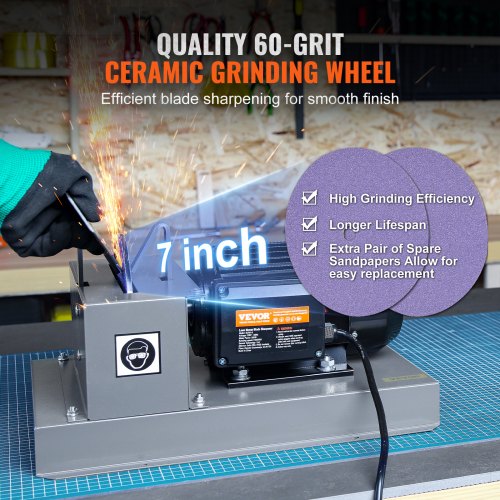
Start by ensuring your bench grinder is securely mounted on a stable surface to prevent vibrations. Use a grinding wheel suitable for metal, typically a 60-80 grit wheel, which balances material removal and surface finish.
Always wear safety goggles and gloves before you begin. Position the tool rest close to the wheel—about 1/8 inch away—to maintain control during sharpening.
Proper Sharpening Angle
Maintaining the correct angle is crucial for effective sharpening. Most mower blades require a sharpening angle between 30 and 45 degrees. Holding the blade at this angle ensures the edge stays sharp without weakening the metal.
Try to follow the original bevel on the blade rather than creating a new angle. This keeps the blade balanced and ready for cutting grass cleanly.
Techniques To Avoid Overheating
Overheating can ruin the blade by affecting its hardness. To prevent this, use short grinding bursts and frequently dip the blade in water to cool it down. Avoid pressing too hard against the grinder; let the wheel do the work.
Does your blade change color during grinding? That’s a sign it’s getting too hot, and you should cool it immediately before continuing.
Maintaining Blade Balance
After sharpening, check the blade’s balance to avoid vibrations during mowing. You can balance the blade by placing it on a nail or a blade balancer tool; the blade should stay level.
If one side dips, lightly grind the heavier side until balance is restored. Balanced blades protect your mower’s engine and provide a smoother cut.
Safety Measures During Sharpening
Sharpening mower blades with a bench grinder wheel can be risky without proper safety steps. Following safety measures protects you from injuries and damage. Keeping safety in mind ensures a smooth sharpening process.
Protective Gear Essentials
- Wear safety goggles to protect your eyes from sparks and debris.
- Use heavy-duty gloves to shield your hands from sharp edges.
- Put on a dust mask to avoid breathing metal particles.
- Wear long sleeves and closed shoes for extra protection.
Safe Handling Of Grinder And Blade
- Always hold the mower blade firmly to avoid slips.
- Keep fingers away from the grinding wheel at all times.
- Never force the blade into the grinder; apply gentle pressure.
- Turn off the grinder before adjusting or moving the blade.
Work Area Safety Tips
- Clear the work area of flammable materials and clutter.
- Ensure good lighting to see the blade and grinder clearly.
- Keep a fire extinguisher nearby in case of sparks.
- Work in a well-ventilated area to avoid inhaling dust.
Post-sharpening Steps
After sharpening mower blades with a bench grinder wheel, some key steps ensure safety and performance. These post-sharpening actions help the blade cut better and last longer. Proper finishing prevents damage and keeps your mower running smoothly.
Removing Burrs And Smoothing Edges
Sharpening can leave tiny burrs on the blade edges. These rough spots reduce cutting quality and may cause damage. Use a fine file or sandpaper to remove burrs gently. Smooth edges improve cutting and reduce wear on grass.
Rebalancing The Blade
A sharp blade must be balanced to avoid vibration. Imbalanced blades cause uneven cuts and stress on the mower. Use a blade balancer or hang the blade on a nail to check balance. Remove small amounts of metal from the heavier side until it stays level.
Reinstalling The Blade Correctly
Proper blade installation is crucial for safety and function. Align the blade with the mower’s mounting points exactly. Tighten the bolts firmly to the recommended torque setting. Check the blade spins freely without wobbling before use.
Credit: www.vevor.ca
Alternatives To Bench Grinder Sharpening
Bench grinders are common for sharpening mower blades, but other options exist. Different tools and services help keep blades sharp and effective. These alternatives may be easier, safer, or better for certain users. Consider these choices to maintain your mower blades without a bench grinder.
Using A File Or Hand Sharpener
A simple metal file or hand sharpener works well for mower blades. These tools allow precise control over sharpening angle. They are affordable and easy to use for quick touch-ups. A flat file works best for straight edges, while a specialized hand sharpener can speed the process. Hold the blade steady and follow its original bevel.
Professional Sharpening Services
Local hardware or lawn care shops offer blade sharpening services. Professionals use equipment designed for mower blades. This option saves time and effort while ensuring a sharp edge. Sending blades to a pro can extend their life and improve mower performance. It suits those who prefer not to sharpen blades themselves.
Power Tools Options
Power tools like angle grinders or rotary tools also sharpen mower blades. These tools spin a grinding disc at high speed to remove metal quickly. They require careful handling to avoid overheating or damaging the blade. Using power tools can speed up sharpening but needs some skill. Proper safety gear is essential during this process.
Common Mistakes To Avoid
Sharpening mower blades with a bench grinder wheel can damage the blade if done incorrectly. Avoid overheating the metal and removing too much material to keep the blade balanced and sharp.
Sharpening mower blades with a bench grinder wheel is efficient. But mistakes can occur. These errors can affect the blade’s performance. Knowing what to avoid is crucial. Let’s look into some common mistakes.Grinding Too Much Material
Removing excess material weakens the blade. Keep the original shape intact. Only sharpen the edge. This maintains the blade’s durability. Check the blade frequently. Control the grinding pressure. This avoids excessive material removal.Ignoring Blade Balance
Balanced blades ensure even cutting. Unbalanced blades cause vibration. This affects mowing performance. Use a blade balancer tool. It helps in maintaining balance. Place the blade on the tool. Adjust until balanced. A well-balanced blade spins smoothly.Overheating And Blade Damage
Overheating weakens metal integrity. It can cause warping. Dipping the blade in water cools it. This prevents overheating. Grind in short bursts. Let the blade cool between sessions. Feel the blade temperature. If too hot, pause grinding.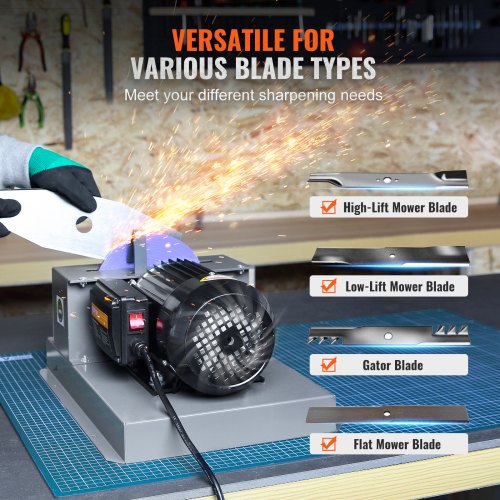
Credit: www.vevor.ca
Frequently Asked Questions
Can Mower Blades Be Sharpened Using A Bench Grinder?
Yes, mower blades can be sharpened with a bench grinder. It quickly restores sharp edges, improving cutting efficiency and lawn health.
Is A Bench Grinder Safe For Sharpening Mower Blades?
A bench grinder is safe if used carefully. Wear protective gear, secure the blade, and avoid overheating to prevent damage.
How Often Should Mower Blades Be Sharpened?
Sharpen mower blades every 20-25 hours of use. Regular sharpening ensures clean cuts and prolongs blade and mower life.
What Are The Benefits Of Sharpening Mower Blades?
Sharpening blades improves cutting performance, reduces engine strain, and promotes a healthier lawn by preventing uneven cuts.
Conclusion
Sharpening mower blades with a bench grinder wheel is possible. It saves money and keeps blades sharp. Always use safety gear to protect yourself. Take your time to avoid overheating the blade. A sharp blade cuts grass better and lasts longer.
Regular sharpening improves mower performance and lawn health. Keep blades balanced after sharpening for smooth operation. This method works well if done carefully and correctly. Give your mower blades a sharp edge with a bench grinder.