Have you ever noticed your lawn mower struggling to cut the grass evenly? One common culprit could be bent mower blades.
You might wonder, can mower blades be sharpened when bent, or is replacement the only option? Understanding what to do with bent blades can save you time, money, and keep your lawn looking its best. You’ll discover the simple steps to assess and fix bent blades, so your mower works like new again.
Keep reading to find out how to bring your mower back to peak performance!
Signs Of Bent Mower Blades
Bent mower blades can quietly sabotage your lawn’s health without you noticing right away. Spotting the signs early helps you decide whether to sharpen or replace the blades, saving time and money. Recognizing these signs is key to keeping your lawn looking sharp and well-maintained.
Visual Inspection Tips
Check the edges of your mower blades closely. Bent blades often show uneven wear or visible twists along the metal. Look for dents, cracks, or chips—these are clear signs the blade took a hit.
Remove the blade and place it on a flat surface. If it wobbles or rocks instead of lying flat, it’s bent. Even a slight bend can throw off your cut, so don’t ignore small imperfections.
Have you ever noticed your mower shaking more than usual? That vibration often points to bent blades throwing off balance.
Impact On Lawn Quality
Bent blades don’t cut grass cleanly; instead, they tear and shred the blades. This damage stresses your lawn, making it prone to disease and browning. You’ll notice uneven grass height and ragged edges after mowing.
Sharp, straight blades leave a crisp, even cut that helps grass grow stronger. Bent blades ruin this effect and can leave your lawn looking patchy. If your grass appears ragged or bruised after mowing, it’s time to inspect the blades.
Consider how your lawn looked before and after mowing with suspect blades. Does it feel healthier with a fresh blade? Paying attention to these changes can save your lawn from long-term damage.
Risks Of Using Bent Blades
Bent mower blades pose several risks that affect performance and safety. Using blades that are bent can lead to mower damage and serious safety issues. Understanding these risks helps you decide whether to sharpen or replace the blade.
Damage To Mower
Bent blades cause imbalance during mowing. This imbalance strains the mower’s motor and bearings. Over time, the mower parts wear out faster. Vibrations from bent blades can loosen bolts and screws. This leads to costly repairs and downtime. The cutting quality also decreases, leaving uneven grass. Bent blades may hit hard objects, damaging the mower deck. Continuous use worsens the blade’s condition and mower health.
Safety Concerns
Using bent blades increases the risk of accidents. The blade can break or shatter while spinning. Broken parts may fly off, causing injury. Vibrations reduce control over the mower, increasing slip risks. Bent blades can catch on obstacles unexpectedly. This sudden stop may throw the mower operator off balance. Always inspect blades before use to avoid dangerous situations.
Assessing Blade Damage
Assessing mower blade damage is crucial before deciding on repairs. Bent blades can affect cutting quality and lawn health. Proper evaluation helps prevent accidents and keeps the mower efficient. Identifying the extent of damage guides whether sharpening or replacement is necessary.
Determining Bend Severity
Check how much the blade is bent by placing it on a flat surface. Even a small bend can cause vibrations and uneven cuts. Look for cracks, deep dents, or twists along the blade. Minor bends might be fixable by straightening carefully. Severe bends often weaken the blade’s metal structure.
- Visual inspection for visible damage
- Feel for uneven edges or warping
- Measure blade alignment with a straight edge
When Replacement Is Necessary
Replace blades that have deep cracks or large bends. If the blade is cracked, sharpening is unsafe and ineffective. Blades with severe warping can damage the mower and lawn. Excessive metal loss from repeated sharpening also calls for replacement. Choosing a new blade ensures safety and better cutting performance.
Credit: www.housedigest.com
Sharpening Bent Blades
Bent mower blades can sometimes be straightened and sharpened, but severe bends may require replacement. Straightening should be done carefully to avoid weakening the blade. Properly sharpened blades improve cutting efficiency and lawn health.
Sharpening bent mower blades can extend their life and ensure a clean cut. Bent blades might seem like a lost cause, but with the right tools and steps, they can be salvaged. A well-sharpened blade reduces the strain on your mower and provides a healthier lawn. Let’s explore how you can sharpen bent blades effectively.Tools Required
Before starting, gather essential tools. You will need:- Bench vise
- Metal file or grinder
- Safety gloves
- Safety goggles
- Wrench
- Hammer
Step-by-step Sharpening Process
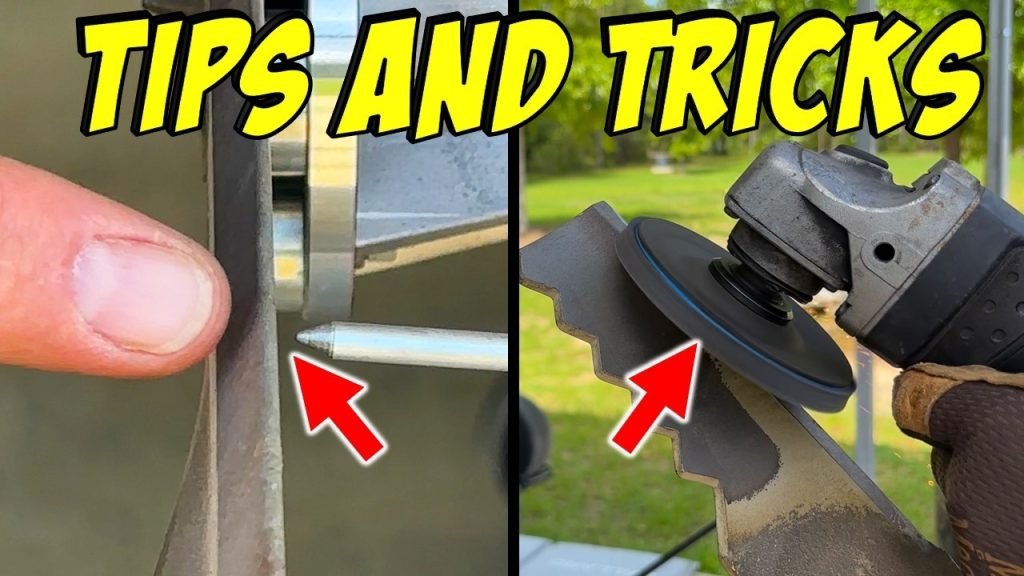
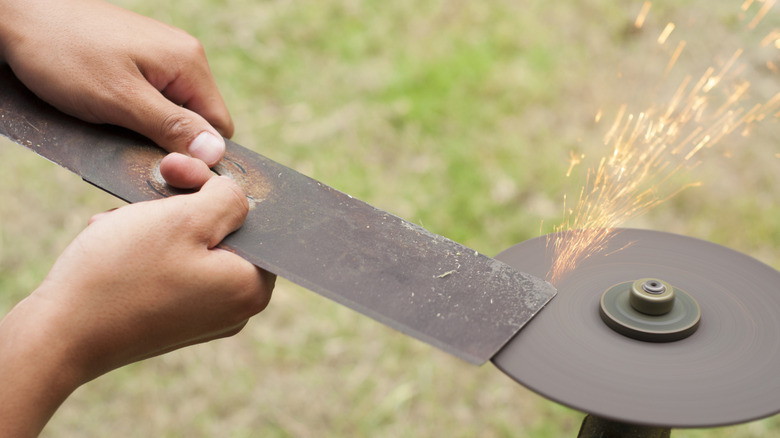
Start by removing the blade from the mower. Use the wrench to loosen the bolt holding the blade. Once removed, inspect the blade for bends and damage. Secure the blade in the bench vise. This keeps it stable while you work. Use the hammer to gently straighten any bends. Apply small, controlled taps to avoid further damage. After straightening, sharpen the blade. Use a metal file or grinder for this step. Move the file along the blade edge, maintaining the original angle. Repeat until the blade is sharp. Reattach the blade to the mower. Ensure it is secure and balanced. Test the mower on a small patch of grass. A sharp, straight blade should cut evenly without tearing the grass.Straightening Bent Blades
Bent mower blades can throw off your lawn’s appearance and even damage your mower if not addressed properly. Straightening these blades restores balance and ensures a smooth cut, saving you time and money. But how do you safely straighten a bent blade without causing further damage?
Manual Straightening Techniques
You can straighten a bent mower blade using simple hand tools, but it requires patience and caution. Start by removing the blade from the mower to get a clear view of the bend. Place the blade on a sturdy, flat surface or use a vise to hold it steady.
Use a hammer or rubber mallet to gently tap the bent area back into shape. Small taps work better than heavy blows to avoid cracking the metal. Check the blade’s alignment frequently by spinning it on a flat surface or using a straight edge to see if it lies flat.
Here’s a quick checklist for manual straightening:
- Wear gloves to protect your hands from sharp edges.
- Work slowly to avoid over-bending the blade.
- Inspect the blade for cracks or deep dents before and after straightening.
Have you ever tried fixing a blade only to realize it was beyond repair? Knowing your limits helps prevent wasted effort and potential injury.
Using Specialized Equipment
If manual methods sound too risky or tedious, specialized equipment offers a safer and more precise solution. Tools like hydraulic presses or blade straightening jigs provide controlled force to reshape bent blades accurately.
These tools are especially helpful for blades with severe bends or those made from tougher steel alloys. They ensure the blade maintains its balance and original shape better than manual attempts.
Access to such equipment might be limited unless you visit a professional service or invest in the right tools yourself. However, if you maintain your own mower regularly, this can be a worthwhile investment.
Think about how much time and frustration you could save by having the right tools on hand. Would you consider investing in specialized equipment for your mower maintenance?
Maintenance Tips To Prevent Bending
Bent mower blades can cause uneven cuts and damage to your lawn. Preventing bending is easier than fixing it later. Taking simple maintenance steps keeps your blades straight and your mower running smoothly.
Regular Inspection Schedule
Check your mower blades often, especially after mowing rough or rocky areas. Look for dents, bends, or cracks before each use. Catching damage early helps you avoid bigger problems.
Set a routine inspection every 5-10 hours of mowing. Use a flashlight to spot hidden bends or chips. If you find any damage, address it immediately—sharp blades cut better and last longer.
Proper Mowing Practices
How you mow affects blade health more than you might think. Avoid mowing over hard objects like rocks, tree roots, or thick branches. These can easily bend or dull your blades.
Adjust your mowing height to avoid scalping your lawn, which stresses the blades. Also, mow at a steady pace—rushing can cause blades to hit unexpected obstacles. Have you noticed how slowing down gives you a cleaner cut and keeps your blades safer?
When To Seek Professional Help
Bent mower blades can sometimes be fixed at home, but knowing when to ask for professional help can save you time and prevent further damage. If you notice certain warning signs or if the damage is beyond a simple bend, it’s better to trust an expert. Understanding these signs and choosing the right service ensures your mower runs smoothly and safely.
Signs You Need Expert Assistance
If your mower blade is severely bent or cracked, it’s a clear sign to stop and seek help. Attempting to sharpen or straighten a heavily damaged blade yourself can lead to imbalance, causing vibrations and potentially harming your mower.
Other signs include:
- Unusual noises or vibrations during operation
- Uneven or patchy grass cutting
- Visible metal fatigue or deep gouges on the blade
Have you ever felt your mower shaking more than usual? That could mean your blade is out of balance and needs professional attention.
Choosing The Right Service
Not all sharpening services are equal. Look for providers who specialize in lawn mower blades and have good reviews. Ask about their sharpening process and if they check blade balance after sharpening.
Consider services that offer:
- Blade inspection for cracks or structural damage
- Precision sharpening with proper equipment
- Balancing to ensure smooth operation
Remember, a well-sharpened and balanced blade not only cuts better but extends the life of your mower. Investing in the right service saves you money and hassle in the long run.

Credit: www.mowmore.com

Credit: mowrator.com
Frequently Asked Questions
Can Bent Mower Blades Be Safely Sharpened?
Bent mower blades should not be sharpened without straightening first. Sharpening a bent blade may cause imbalance and damage. It’s best to straighten the blade or replace it to ensure safety and optimal cutting performance.
How To Fix A Bent Mower Blade Before Sharpening?
Use a vise and hammer to gently straighten the bent blade. Wear gloves and work slowly to avoid cracks. If the blade is severely bent or cracked, consider replacing it instead of repairing.
Will Sharpening Improve Mower Blade Performance?
Sharpening mower blades regularly improves cutting efficiency and lawn health. Sharp blades cut cleanly, reducing grass damage and disease risk. Always check blade balance after sharpening to prevent vibration and uneven cuts.
How Often Should Mower Blades Be Sharpened?
Sharpen mower blades every 20-25 hours of use or at least once a mowing season. Frequent sharpening ensures clean cuts and maintains mower efficiency. Check blades for damage before each sharpening session.
Conclusion
Bent mower blades can sometimes be sharpened safely. But severe bends may need blade replacement. Sharp blades cut grass better and save fuel. Always check for damage before sharpening your blades. Proper maintenance keeps your mower working well longer. Take care when handling blades to avoid injury.
Regular blade checks improve lawn health and mower life. Keep your tools ready for a neat, clean cut every time.