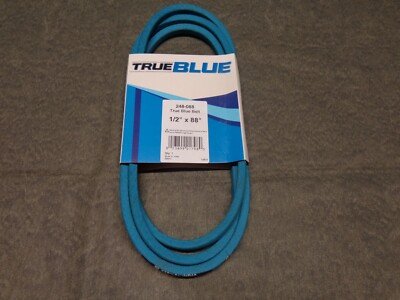
Have you ever wondered if you can use one mower belt for different lawnmower models? It sounds like a simple way to save time and money, right?
But the truth is, not all mower belts are made the same. Using the wrong belt can cause damage or reduce your mower’s performance. You’ll discover whether mower belts can really be universal and what you need to know before making a choice.
Keep reading, and you’ll never have to second-guess your mower belt again.

Credit: www.amazon.ca
Types Of Mower Belts
V-beltsare common in many mowers. They have a V-shaped cross-section. This shape helps them grip pulleys tightly. V-belts are good for power transfer and last long.
Flat beltsare thin and wide. They run smoothly on flat pulleys. Flat belts work quietly but may slip if not tight enough. They are less common than V-belts.
Timing beltshave teeth that fit into pulley grooves. This design stops slipping. Timing belts keep the mower parts in sync. They need precise fitting to work well.

Credit: www.walmart.ca
Factors Affecting Belt Compatibility
Belt compatibility depends on size, shape, and mower model. Universal belts rarely fit all machines perfectly. Checking exact belt type ensures proper fit and function.
Belt Size And Length
The size and lengthof a mower belt are key for fit. A belt too long or short will not work well. Measuring the old belt or checking the mower’s manual helps find the right size. Sizes vary by brand and model, so one belt may not fit all.
Material And Durability
Belt material affects how long it lasts. Most belts are made from rubber or synthetic materials. Stronger materials resist wear and heat better. Choosing a belt with good durability means fewer replacements and better mower performance.
Pulley Design
Pulleys guide and hold the belt. Their shape and size must match the belt type. Some belts fit flat pulleys; others fit grooved ones. Using the wrong belt can cause slipping or damage. Checking pulley design ensures belt compatibility.
Pros And Cons Of Universal Mower Belts
Universal mower belts fit many lawnmower models, saving time and effort. Yet, they may not always provide the perfect fit or durability compared to specific belts. Choosing between universal and model-specific belts depends on your mower’s needs and belt quality.
Advantages
Universal mower beltsfit many types of mowers. This saves you money. You do not need a different belt for each mower. They are easy to find in stores. This makes them handy. They also save you space. One belt can work for several mowers. This keeps your shed neat.
Limitations
Universal belts might not fit perfectly. Sometimes they slip or wear out fast. They may not last as long as custom belts. If not tight enough, they make noise. This can be annoying. They might not work well with all mower brands. Sometimes, they need more adjustments to fit right.
How To Identify The Right Belt For Your Mower
Check the manufacturer’s specificationsfor the exact belt type. This info is often found on the mower’s label or website. It lists the belt size, shape, and material.
Measure the existing beltif you have one. Use a tape measure to find the lengthand width. Note the belt’s shape, like V-shaped or flat.
Consult the user manualthat came with the mower. It usually shows the correct belt sizeand part number. Manuals also guide on belt replacementsteps.
Installation Tips For Mower Belts
Can Mower Belts Be Universal Mower belts often fit specific models, but some universal options exist. Always check compatibility before installation. Proper fitting ensures smooth operation and extends belt life.
Tools Needed
- Socket wrench set:for loosening and tightening bolts.
- Screwdriver:to remove belt covers or guards.
- Pliers:helpful for pulling and adjusting the belt.
- Gloves:protect hands during installation.
- Flashlight:to see in dark or tight mower spaces.
Step-by-step Installation
Start by disconnecting the mower spark plug for safety. Remove the belt cover using a screwdriver. Slide the old belt off the pulleys carefully. Compare the new belt with the old one to ensure size match. Place the new belt around the pulleys, following the belt path. Adjust the tension by moving the tensioner or idler pulley. Tighten bolts and screws securely. Check the belt movement by turning the mower blade by hand. Reattach the belt cover and reconnect the spark plug.
Troubleshooting Common Issues
- Belt slips: Check for proper tension and alignment.
- Belt squeals: Often caused by loose tension or worn belt.
- Belt breaks quickly: Inspect for sharp edges or debris on pulleys.
- Difficulty fitting belt: Confirm belt size and correct routing.
- Mower blade won’t turn: Belt may be too loose or broken.
Maintenance And Replacement Guidelines
Look for cracks, fraying, or glazingon the belt surface. These signs show the belt is wearing out. A belt slipping or making noise also means it needs replacement.
Replace the belt if it cracks, stretches, or loses grip. Belts that are too loose or too tight cause mower issues. Check the belt every few months for safety.
- Keep belts clean from dirtand grassclippings.
- Check belt tension often and adjust if needed.
- Store mower in a dryplace to avoid belt damage.
- Avoid overloading mower to prevent belt stress.
Popular Universal Belt Brands
Mower belts vary by size and design, so universal belts may not fit all models. Popular brands offer belts made for specific mower types. Choosing the right belt ensures better performance and longer life for your mower.
Brand Comparisons
| Brand | Material | Durability | Price | Compatibility |
|---|---|---|---|---|
| Gates | Rubber with polyester cords | High | Moderate | Wide range of mowers |
| Dayco | Rubber with nylon cords | Medium | Low | Many popular brands |
| John Deere | High-grade rubber | Very high | High | Mostly John Deere mowers |
| Craftsman | Rubber with fabric reinforcement | Medium | Moderate | Craftsman and similar models |
Customer Reviews
- Many users say Gates belts last longer than others.
- Dayco belts are affordable and fit well on many mowers.
- John Deere belts fit perfectly on their own machines.
- Some find Craftsman belts easy to install but less durable.
- Universal belts can work but check mower size carefully.
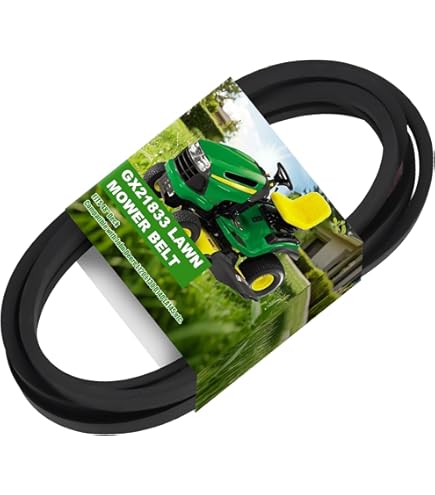
Credit: www.amazon.ca
Frequently Asked Questions
Are Mower Belts Universal For All Lawnmowers?
No, mower belts are not universal. Each mower model requires a specific belt size and type. Using the wrong belt can cause poor performance or damage.
How To Identify The Correct Mower Belt Size?
Check your lawnmower’s manual or existing belt for size details. Measurements include length, width, and thickness. Accurate sizing ensures proper fit and function.
Can A Universal Belt Fit Multiple Mower Brands?
Universal belts claim to fit many models but may not fit perfectly. Always verify compatibility with your mower’s specifications to avoid issues.
What Happens If The Mower Belt Is The Wrong Size?
A wrong-sized belt can slip, wear out quickly, or break. This reduces mower efficiency and may damage other components, leading to costly repairs.
Conclusion
Mower belts are not always universal. Different mowers need specific belt sizes and types. Using the wrong belt can cause damage or poor performance. Always check your mower’s manual before buying a belt. Matching the belt ensures smooth and safe mowing.
Choosing the right belt saves time and money. A little care goes a long way in lawn maintenance. Keep your mower running well with the correct belt. Simple steps lead to better results.





