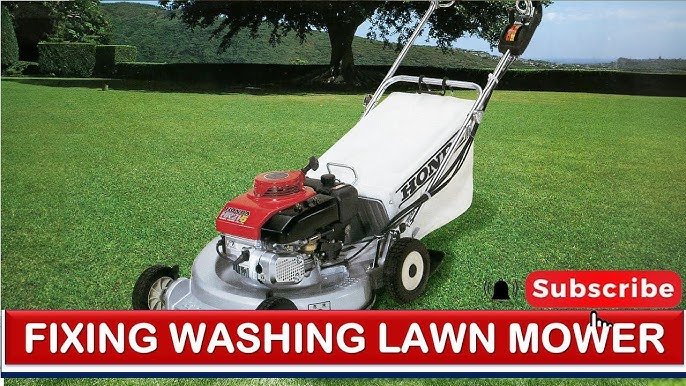
Have you ever wondered if you can pressure wash your mower without causing damage? Keeping your mower clean is important for its performance and longevity, but using the wrong cleaning method might do more harm than good.
You want a quick, effective way to get rid of grass clippings and dirt, but is pressure washing safe for your machine? You’ll discover the truth about pressure washing your mower, learn the best cleaning techniques, and find out how to protect your equipment while getting it spotless.
Keep reading to make sure your mower stays in top shape without any costly mistakes.
Risks Of Pressure Washing Mowers
Pressure washing your mower might seem like a quick and easy way to clean it, but it carries several risks that could end up costing you more than just time. Using a high-pressure stream of water can cause hidden damage to essential parts of your mower. Understanding these risks helps you decide how to clean your mower safely without harming its performance.
Potential Damage To Engine Components
The engine is the heart of your mower, and pressure washing can force water into places it shouldn’t go. High-pressure water can seep into the air intake, carburetor, or spark plug area, causing corrosion or short-circuiting the ignition system.
I once saw a neighbor’s mower fail after a pressure wash because water flooded the engine. That mower wouldn’t start for weeks, showing how easily this damage can happen.
Ask yourself: is the quick clean worth risking an expensive engine repair?
Effects On Electrical Parts
Many modern mowers have electrical components like sensors, ignition coils, and wiring that are vulnerable to water. Pressure washing can force water under sealed covers and connectors, leading to rust and electrical shorts.
Even a small amount of water inside these parts can cause intermittent problems, making your mower unreliable.
To protect your mower’s electrical system, avoid blasting these areas directly with water. Could gentle wiping be a better option for these delicate parts?
Impact On Bearings And Blades
Bearings and blades need lubrication and protection from moisture to work smoothly. High-pressure water can wash away grease from bearings, leading to premature wear and noisy operation.
Pressure washing can also push water into blade mounts and shafts, causing rust and weakening the blade’s attachment.
Have you noticed your mower making unusual sounds or vibrations after cleaning? It might be due to water damage in these critical areas.
Credit: www.consumerreports.org
Safe Pressure Washing Techniques
Pressure washing a mower can save time and effort. It removes dirt and grass clippings quickly. Safe techniques protect the mower from damage. They also keep you safe during cleaning. Follow these tips for effective and safe pressure washing.
Choosing The Right Pressure Level
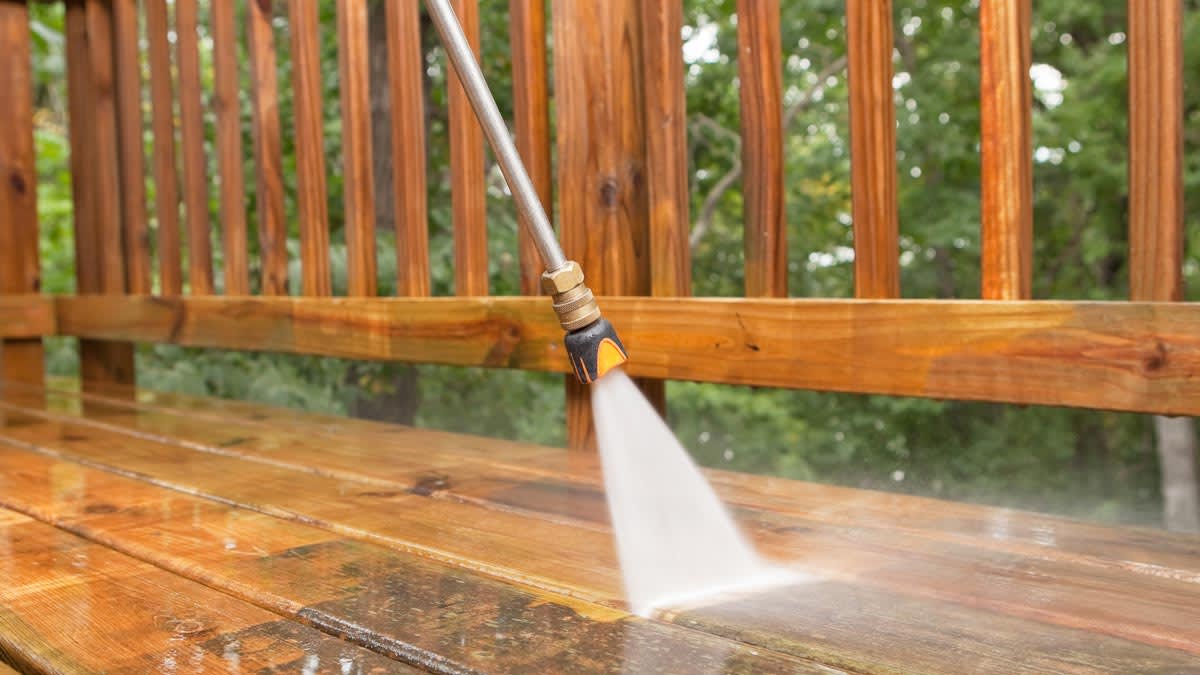
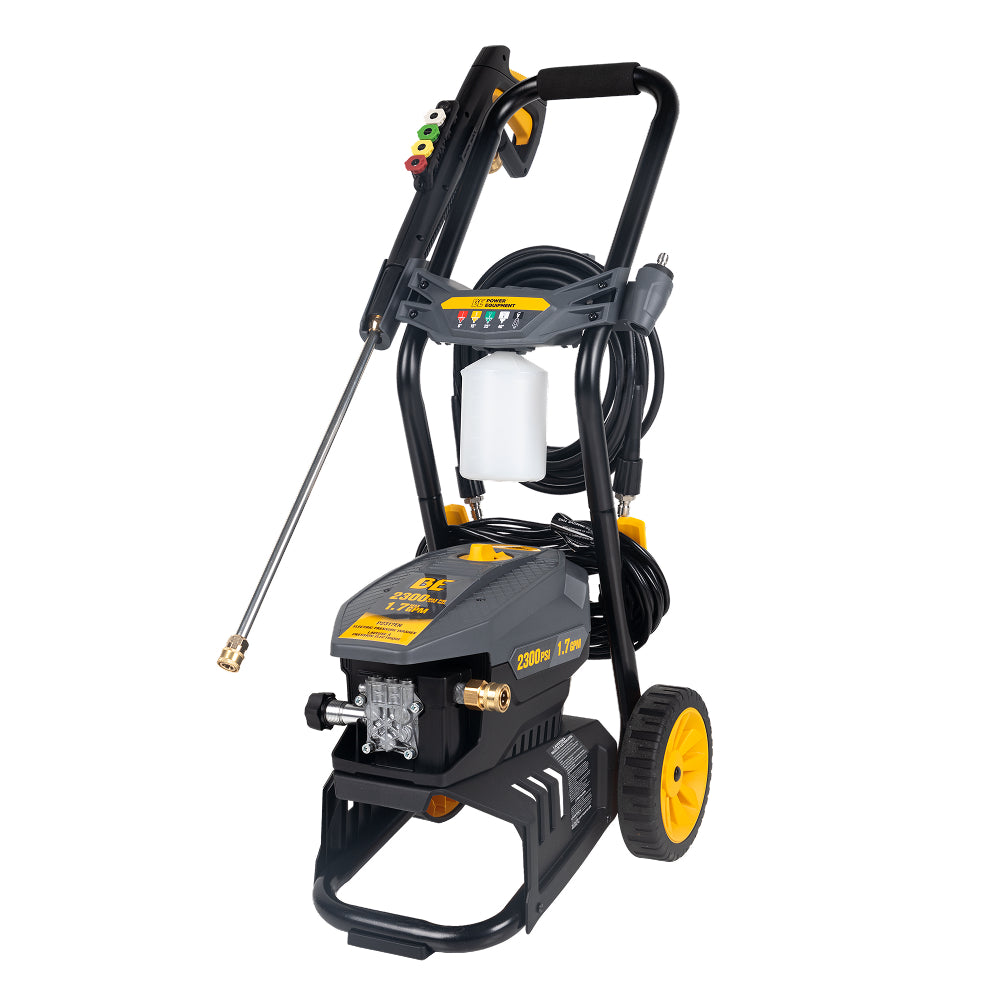
Use a low to medium pressure setting. High pressure can damage mower parts. Aim for 1200 to 1900 PSI to clean well. Adjust pressure based on mower condition. Test on a small area first. Avoid using pressure above 2000 PSI.
Proper Distance And Angle
Keep the nozzle 12 to 18 inches away from the mower. Too close can harm paint and plastic. Spray at a 45-degree angle for best results. This removes dirt without forcing water inside parts. Move the spray steadily across surfaces.
Using Protective Covers
Cover sensitive parts before washing. Use plastic bags or waterproof covers. Protect the engine, air filter, and electrical parts. This prevents water from entering and causing damage. Remove covers only after the mower is dry.
Essential Preparations Before Cleaning
Before you grab the pressure washer to clean your mower, there are key steps you need to take. These preparations protect both you and your equipment from damage. Taking a few moments now can save you from costly repairs later.
Disconnecting Spark Plugs
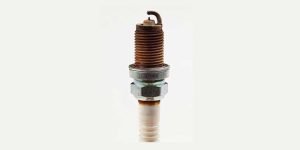
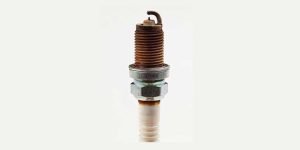
Always disconnect the spark plug wire before cleaning your mower. This prevents the engine from accidentally starting while you work. It’s a simple safety measure that keeps your hands and fingers safe.
Pull the wire gently off the spark plug and tuck it away where it won’t touch the plug. This small action gives you peace of mind during the cleaning process.
Removing Debris And Grass Clippings
Before pressure washing, clear out any grass, leaves, or dirt stuck in the mower deck and blades. Use a brush or a stick to remove the buildup carefully. Letting these clumps stay can trap moisture and cause rust or block the water spray.
Have you noticed how a clogged deck affects your mower’s performance? Cleaning it out first helps the machine run smoother and last longer.
Checking For Loose Parts
Inspect your mower for any screws, bolts, or components that may be loose. Tighten them before you start cleaning to avoid parts falling off or getting damaged. Loose parts can also create hazards when water pressure hits.
This quick check can prevent unexpected breakdowns and keep your mower in good shape. Think of it as a mini inspection that saves you time and money down the road.

Credit: www.youtube.com
Alternatives To Pressure Washing
Pressure washing a mower might seem like a quick fix, but it’s not always the safest option. High-pressure water can harm sensitive parts of your mower, leading to costly repairs. Thankfully, there are safer alternatives that are just as effective.
Manual Cleaning Methods
Sometimes, going old-school is the best approach. A simple cloth or sponge can be incredibly effective in removing dirt and debris. It allows you to target specific areas without risking damage to delicate components.
Have you ever noticed that some dirt only comes off with a bit of elbow grease? That’s where a good old-fashioned hand scrub shines. You gain more control over the cleaning process and can ensure that every nook and cranny is spotless.
Using Garden Hose And Brushes
A garden hose paired with a sturdy brush is a powerful combination. It gives you the advantage of water pressure without the intensity of a pressure washer. This method is particularly useful for removing grass clippings and mud.
When was the last time you used a soft-bristled brush on your mower? Brushes can reach areas that water alone cannot, making them ideal for a thorough clean. A bit of scrubbing can make a huge difference in maintaining your mower’s longevity.
Specialized Cleaning Products
There are cleaning products designed specifically for mowers. These products are formulated to break down grime without harming the mower’s components. Using them can save you time and effort compared to other methods.
Have you ever tried a specialized cleaner? They often come with easy-to-follow instructions and are safe for the environment. These products can be a great addition to your maintenance routine, ensuring your mower stays in top condition.
Why risk damaging your mower with a pressure washer when these alternatives offer a safer, more controlled way to clean? Try one of these methods next time and see the difference for yourself.
Post-cleaning Maintenance Tips
After pressure washing your mower, proper care helps keep it in top shape. Post-cleaning maintenance prevents rust, damage, and performance issues. Follow these tips to protect your mower and extend its life.
Drying And Lubricating
Dry the mower fully to avoid rust and corrosion. Use a clean cloth or let it air dry in a warm place. Focus on metal parts and blade areas.
Apply lubricant to moving parts such as wheels, cables, and the blade shaft. Lubrication stops parts from sticking and reduces wear. Use a spray lubricant designed for lawn equipment.
Inspecting For Damage
Check the mower carefully for any signs of damage after cleaning. Look for cracks, loose bolts, or worn parts. Pay special attention to the blade and engine area.
Replace or repair damaged parts right away. This keeps your mower safe and efficient for the next use. Regular checks help avoid bigger problems later.
Storing The Mower Properly
Store the mower in a dry, sheltered place to protect it from moisture. Avoid leaving it outside where rain or dew can cause rust.
Place the mower on a flat surface to keep it stable. Cover it with a breathable tarp or mower cover to keep dust and dirt away. Proper storage keeps your mower ready for the next job.
Credit: bepowerequipment.com
Expert Recommendations And Warnings
Pressure washing a mower might seem like a quick way to clean it. Yet, experts advise caution to avoid damage. Small parts and sensitive components can be harmed by strong water jets. Knowing when to avoid pressure washing helps protect your mower’s lifespan. Following manufacturer guidelines ensures safe cleaning methods tailored to your model. Professional services offer careful cleaning with proper tools and experience. This section covers key expert tips and warnings for safe pressure washing.
When To Avoid Pressure Washing
- Do not pressure wash if your mower has exposed electrical parts.
- Avoid using high pressure near the engine or air filter area.
- Old or fragile parts may break under strong water force.
- Steer clear of pressure washing if the mower’s manual advises against it.
- Pressure washing can push dirt into bearings and seals, causing rust.
Consulting Manufacturer Guidelines
Always check the mower’s user manual before cleaning. Manufacturers provide specific instructions on washing methods. Some recommend only gentle rinsing or wiping with a damp cloth. Manuals often list parts that must stay dry. Following these rules prevents warranty loss and mechanical issues. If unsure, contact customer support for advice.
Hiring Professional Services
Professionals use the right pressure settings and cleaning agents. They know how to protect delicate mower parts during washing. Experts can spot hidden damage or wear while cleaning. Hiring a service reduces the risk of accidental harm. It saves time and ensures a thorough, safe clean.
Frequently Asked Questions
Can I Pressure Wash My Lawn Mower Safely?
Yes, you can pressure wash a lawn mower safely. Use low pressure and avoid direct water on the engine. Always cover sensitive parts like the air filter and spark plug to prevent damage.
What Pressure Setting Is Safe For Washing Mowers?
A pressure setting below 1200 PSI is safe for washing mowers. Higher pressure can damage delicate components. Use a fan nozzle to distribute water gently and avoid concentrated streams.
Should I Remove Parts Before Pressure Washing?
It’s best to remove or cover sensitive parts before pressure washing. Remove the air filter, spark plug, and battery if possible. This prevents water from entering areas that may cause damage.
How Often Should I Pressure Wash My Mower?
Pressure wash your mower only when it is visibly dirty. Regular cleaning every few months is sufficient. Over-washing can lead to rust or damage to electrical components.
Conclusion
Pressure washing a mower needs care and attention. Use low pressure to avoid damage. Keep water away from the engine and electrical parts. Clean blades gently to maintain sharpness. Regular cleaning helps your mower last longer. Simple steps keep your mower safe and working well.
Always follow the mower’s manual for best results. Safe cleaning means a healthy mower ready for the next cut. Take your time and protect your equipment.