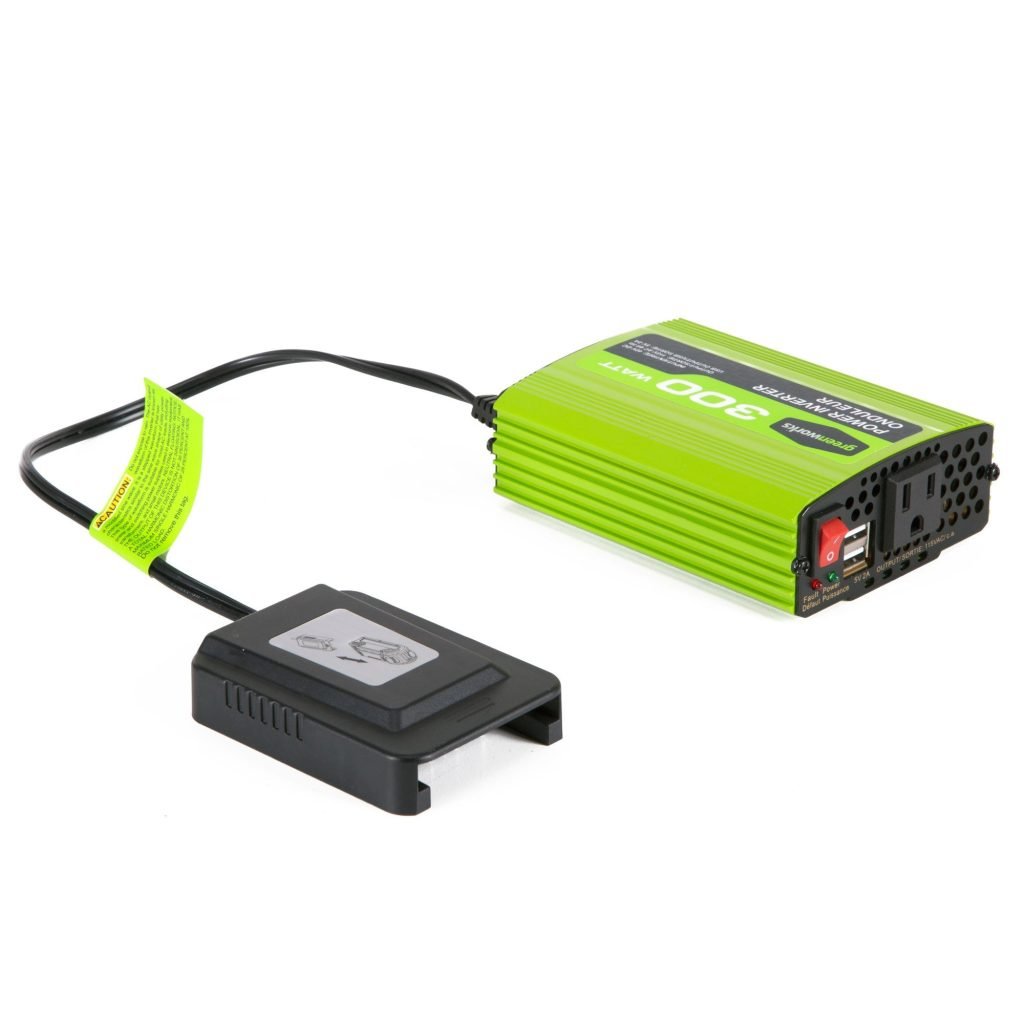
Have you ever wondered if your mower battery could power your inverter? It’s a question many people ask when looking for quick, cost-effective energy solutions.
You might think your mower battery is just for the lawn, but what if it could do more? Before you plug it in, there are important things you need to know to keep your devices safe and your power reliable.
Keep reading, and you’ll discover whether your mower battery is a smart choice for your inverter—and how to make the best decision for your energy needs.
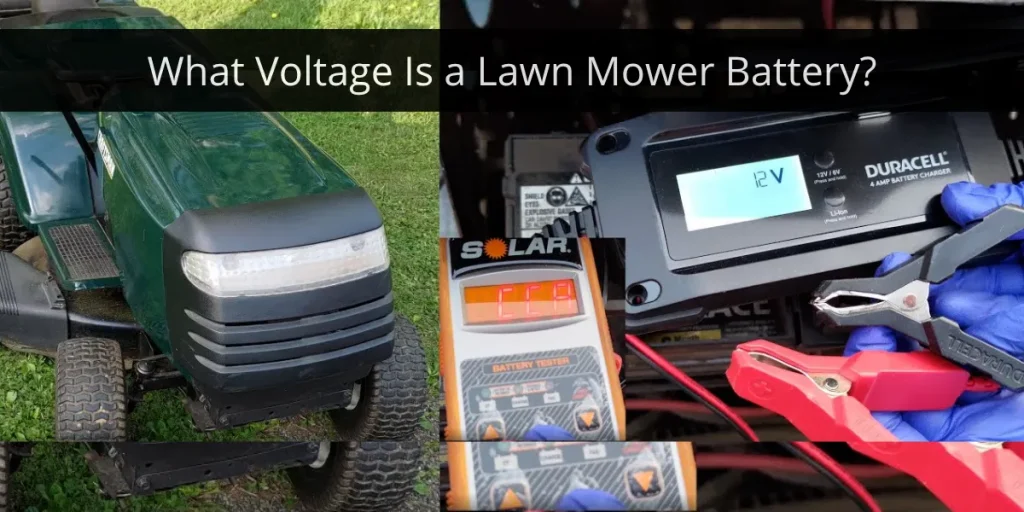
Credit: www.tycorunenergy.com
Mower Battery Basics
Mower batteries come in different types. The most common are lead-acidand lithium-ionbatteries. Lead-acid batteries are heavier but cheaper. Lithium-ion batteries are lighter and last longer. Each type has pros and cons depending on use.
Knowing battery specs helps match mower batteries with other devices like inverters. Key specs include:
| Specification | Meaning |
|---|---|
| Voltage (V) | How much power the battery gives |
| Capacity (Ah) | How long the battery can work |
| Cold Cranking Amps (CCA) | Power to start engines in cold |
These numbers help decide if a mower battery suits an inverter’s needs. Matching voltage and capacity is very important.

Credit: collegeofems.com
Inverter Power Needs
Inverter power output usually ranges from 300 watts to 3000 watts. The battery must provide enough voltage and currentto meet these needs.
Most inverters use 12V or 24V batteries. The battery’s capacity, measured in ampere-hours (Ah), affects how long it can power devices.
| Inverter Power | Recommended Battery | Voltage | Typical Capacity (Ah) |
|---|---|---|---|
| 300W – 500W | Lead Acid / AGM | 12V | 40-60 Ah |
| 1000W – 1500W | Deep Cycle / Lithium | 12V / 24V | 80-150 Ah |
| 2000W and above | Multiple Batteries in Series | 24V / 48V | 150+ Ah |
Using a mower battery may work if it matches voltage and capacity needs. But mower batteries are often designed for short burstsof power, not long use.
Using Mower Battery With Inverter
Mower batteries can sometimes power an inverter, but compatibility matters. Check the battery’s voltage and capacity before use. Using the right battery ensures safe and efficient inverter operation.
Feasibility And Limitations
Mower batteries can power small inverters. They provide a temporary power source. Capacity is limited compared to standard batteries. Check the battery’s voltage and amp-hour rating. These must match the inverter’s needs. Mower batteries can handle small loads well. Large loads may drain them quickly. They are not ideal for heavy-duty or long-term use. Consider the battery’s lifespan. Frequent deep discharges can reduce life.
Connecting The Battery Safely
Ensure proper connections to avoid mishaps. Use appropriate cables and connectors. Secure connections prevent sparks and short circuits. Always connect the positive terminal first. Then connect the negative terminal. Disconnect in the reverse order. Avoid using old or damaged batteries. Regularly check for corrosion and clean terminals. Keep fire extinguishers nearby for safety. Follow the manufacturer’s guidelines for safe use.
Performance And Efficiency
Mower batteriescan power small inverters but have limits. They provide short run timescompared to batteries made for inverters. The power output is usually lower, so devices may run slower or stop sooner.
Run time depends on battery capacity and inverter load. Mower batteries work best for low power needs. Using them for high power devices drains the battery quickly.
| Factor | Effect on Run Time |
|---|---|
| Battery Capacity (Ah) | Higher capacity means longer run time |
| Inverter Load (Watts) | Higher load reduces run time |
| Battery Age | Older batteries hold less charge |
Using mower batteries for inverters can reduce battery life. Frequent deep discharges cause faster wear. They are not made for continuous deep cycling like inverter batteries.
Safety Considerations
Using a mower battery for an inverter requires care to prevent overload. Mower batteries are made for short bursts of power, not long, steady use. Overloading can damage the batteryand the inverter. It is important to know the battery’s voltageand capacitybefore connecting. The inverter’s power needs should match the battery’s limits.
Handling and maintenance keep the battery safe and working well. Avoid deep dischargesas they shorten battery life. Keep terminals clean and tight to prevent poor connections. Store the battery in a cool, dry place. Check the battery charge regularly and recharge before it gets too low. Regular checks help avoid unexpected failures.
Alternative Battery Options
Car batteriesare larger and have higher capacity than mower batteries. They deliver more power and last longer under heavy loads. Mower batteries are smaller and designed for short bursts of energy to start the engine. They are not made for continuous power supply, which is needed for inverters.
Specialized inverter batteries are built to handle steady, long-term power output. They are usually deep cycle batteries. These batteries can be discharged and recharged many times without damage. Using the right battery type helps protect the inverter and improves performance.
| Battery Type | Capacity | Designed For | Suitability for Inverter |
|---|---|---|---|
| Car Battery | High | Starting engines | Better than mower batteries |
| Mower Battery | Low | Short bursts of power | Not ideal for inverters |
| Inverter Battery | Varies (usually high) | Continuous power supply | Best choice |
Troubleshooting Common Issues
Battery not powering inverteroften happens due to poor connection or low battery charge. Check all wires and terminals for tight contact. Loose or corroded connections can stop power flow. Test the battery voltage with a multimeter. If voltage is below the needed level, recharge or replace the battery.
Voltage dropsoccur when the battery cannot supply enough power. This can happen if the battery is old or too small for the inverter. Using a battery with a higher capacity may fix this. Also, ensure the inverter’s power demand matches the battery’s output.
| Issue | Cause | Solution |
|---|---|---|
| Battery not powering inverter | Loose wires, low charge | Tighten connections, recharge battery |
| Voltage drops | Battery too small or old | Use bigger battery, check power demand |

Credit: www.tycorunenergy.com
Maximizing Battery Performance
Charging batteriesproperly helps them last longer and work better. Use the correct charger for the mower battery to avoid damage. Avoid overcharging; it can reduce battery life. Charge the battery fully before first use and after each use. Let the battery cool down before charging. Keep charging areas clean and dry for safety.
For storage, keep batteries in a cool, dry place. Avoid extreme heat or cold, which can hurt battery health. Store batteries at about half charge if unused for a long time. Check battery charge every month and recharge if needed. Remove the battery from the mower during winter or long breaks.
Frequently Asked Questions
Can Mower Batteries Power Home Inverters Effectively?
Yes, mower batteries can power home inverters but with limitations. They usually have lower capacity and shorter life than regular inverter batteries. For short-term or emergency use, they may suffice, but for long-lasting, reliable power, dedicated inverter batteries are better.
Are Mower Batteries Compatible With Standard Inverters?
Mower batteries are generally 12V lead-acid batteries, similar to many inverter batteries. However, inverter compatibility depends on battery capacity and inverter input specs. Always check inverter requirements before using a mower battery to avoid damage or poor performance.
How Long Can A Mower Battery Run An Inverter?
The runtime depends on the mower battery’s amp-hour rating and inverter load. Typically, mower batteries have smaller capacity, so they provide shorter backup time compared to standard inverter batteries. Expect a few hours of power for low to medium loads only.
What Are The Risks Of Using Mower Batteries In Inverters?
Using mower batteries in inverters can cause faster battery wear and reduced efficiency. They might not handle deep discharges well, shortening battery lifespan. Incorrect matching can also lead to inverter malfunction or damage. Proper assessment is necessary before use.
Conclusion
A mower battery can work for an inverter in some cases. Check the battery voltage and capacity first. Not all mower batteries fit inverter needs well. Using the wrong battery may cause power issues or damage. Choose a battery designed for inverter use when possible.
Safety matters most; avoid risks by matching battery types. Testing your setup helps ensure smooth power supply. Keep these points in mind before trying a mower battery with an inverter. This helps you save money and avoid problems.





