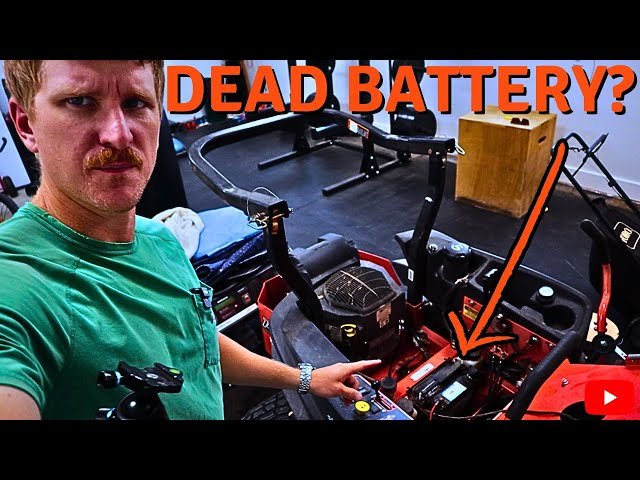
Is your mower battery acting up and leaving you stuck in the middle of your yard work? You might be wondering if you really need to buy a new one or if your current battery can be fixed.
Repairing a mower battery could save you time and money—but how do you know if it’s possible? You’ll discover simple ways to check your battery’s health and find out if a repair is worth the effort. Keep reading to learn how to bring your mower battery back to life and get your lawn care back on track.
Signs Of A Failing Mower Battery
Recognizing the signs of a failing mower battery helps prevent unexpected breakdowns. Early detection saves time and money. Watch for clear symptoms that show the battery is losing power or function.
Slow Engine Crank
The mower’s engine turns over slowly or struggles to start. A weak battery cannot deliver enough power quickly. This causes the engine to crank longer than usual. Starting issues often mean the battery is near the end of its life.
Battery Leakage Or Corrosion
Look for white or greenish powder around battery terminals. Leakage or corrosion signals battery damage or acid leaks. This buildup blocks electrical flow and reduces battery performance. Corrosion can also harm mower parts and wiring.
Dim Headlights Or Electrical Issues
Headlights or dashboard lights appear dim or flicker during use. Electrical components work inconsistently or fail to operate. These problems often result from low battery voltage. A failing battery struggles to power the mower’s electrical system properly.

Credit: www.youtube.com
Common Causes Of Battery Failure
Batteries in lawn mowers often fail due to several common reasons. Understanding these causes helps decide if repair is possible. Some issues wear the battery down fast. Others damage the battery beyond repair.
Overcharging Or Undercharging
Charging the battery too much harms its lifespan. Overcharging causes overheating and chemical damage inside. Undercharging leaves the battery weak and unable to hold power. Both lead to poor mower performance and early battery failure.
Extreme Weather Effects
Batteries face stress from hot and cold weather. High temperatures speed up chemical reactions that degrade the battery. Cold weather slows down the battery’s ability to deliver power. Extreme climates cause the battery to lose efficiency and die faster.
Age And Wear
All batteries wear out with time and use. Internal components break down slowly after many charge cycles. The battery holds less charge and runs out quickly. Old batteries become unreliable, often needing replacement rather than repair.
Safety Precautions Before Repair
Always disconnect the mower battery before starting repairs to avoid electric shock. Wear gloves and safety glasses to protect your hands and eyes. Work in a well-ventilated area and keep tools dry to prevent accidents.
Before diving into the process of repairing your mower battery, understanding the necessary safety precautions is crucial. Even the most seasoned DIY enthusiast can benefit from a refresher on ensuring a safe working environment. By following these guidelines, you not only protect yourself but also enhance the efficiency of the repair process.Disconnecting The Battery
Before you do anything else, make sure to disconnect the battery from your mower. This is a vital step in preventing electrical shocks or accidental start-ups. Always start by disconnecting the negative cable first, then proceed to the positive one. This sequence minimizes the risk of short circuits.Using Protective Gear
Using the right protective gear can make all the difference. Equip yourself with safety goggles to shield your eyes from potential sparks or battery acid splashes. Don’t forget to wear gloves—preferably rubber ones—to protect your hands from corrosive substances. It’s amazing how much more confident you feel when you’re properly protected.Handling Battery Acid Carefully
Battery acid is not something you want to mess around with. Always handle the battery with care, ensuring it’s placed on a stable surface. If you notice any leaks, clean them up immediately using a mixture of baking soda and water to neutralize the acid. Remember, a little caution now can save a lot of trouble later. Are there any other safety tips you’ve found particularly helpful when working with batteries?Basic Battery Maintenance Steps
Basic battery maintenance helps extend your mower battery’s life. Regular care stops common problems like corrosion and power loss. Simple checks keep the battery in good shape and improve mower performance. Follow easy steps to keep your battery clean, charged, and secure.
Cleaning Terminals And Connectors
Dirty terminals block power flow and cause starting issues. Use a brush or cloth to remove dirt and corrosion. A mix of baking soda and water works well to clean terminals. Rinse with water and dry completely before reconnecting. Clean connections ensure smooth electricity flow to the mower.
Checking Electrolyte Levels
Some mower batteries need electrolyte level checks. Open the battery caps carefully to see inside. The liquid should cover the plates fully. Add distilled water if levels are low, but avoid overfilling. Proper electrolyte levels help the battery hold charge and work efficiently.
Tightening Loose Connections
Loose battery connections cause poor contact and power drops. Check cable clamps and bolts for tightness. Use a wrench to secure any loose parts. Firm connections improve current flow and mower start-up. Regularly inspect and tighten for consistent battery performance.
Techniques To Restore Battery Power
If your mower battery isn’t holding charge like it used to, you might wonder if it’s truly dead or just tired. Batteries often lose power due to buildup and imbalances inside their cells. Fortunately, there are proven techniques to restore some of that lost power and extend your battery’s life.
Desulfation Methods
Lead-acid batteries, common in mower batteries, suffer from sulfation—a buildup of lead sulfate crystals on the plates. This buildup blocks the flow of electricity and reduces battery capacity. Desulfation involves breaking down these crystals to revive battery performance.
You can try a simple desulfation by fully charging the battery, then discharging it slowly and repeating the cycle a few times. Some smart chargers come with a desulfation mode that sends pulses to dissolve the sulfate crystals effectively. Have you checked if your charger supports this feature?
Equalizing Charge Process
Equalizing charge is a controlled overcharge applied to a battery to balance the charge across all cells. This process helps remove sulfate deposits and evaporate excess water in the electrolyte. It prevents cells from becoming uneven, which can cause early battery failure.
To perform an equalizing charge, you need a charger with this specific setting or manually overcharge at a low current while monitoring the battery temperature. Be cautious not to overdo it, as excessive charging can damage the battery. Have you noticed any uneven battery performance or swelling that might hint at unbalanced cells?
Using A Smart Charger
A smart charger automatically adjusts the charging rate based on the battery’s condition. It prevents overcharging and undercharging, both of which shorten battery life. These chargers often have modes for trickle charging, desulfation, and equalizing, making them versatile tools.
Using a smart charger regularly can keep your mower battery healthy by maintaining optimal charge levels. If you tend to store your mower for months, this type of charger could be a game changer. Do you already have a smart charger, or is it time to invest in one to save your battery?
When To Replace The Battery
Knowing when to replace your mower battery saves time and money. Batteries wear out over time and lose their ability to hold a charge. Replacing the battery at the right moment ensures your mower runs smoothly without unexpected stops. Watch for clear signs of battery failure and test its performance regularly. Compare repair costs against buying new to make the best choice.
Irreversible Damage Signs
Look for physical damage that cannot be fixed. These include:
- Corroded or cracked battery casing
- Leaking acid or fluid
- Swollen or bloated battery
- Severe rust on terminals
Such damage means the battery is unsafe and must be replaced immediately. Attempting repair may cause further harm or malfunction.
Performance Tests
Check battery voltage with a multimeter. A healthy mower battery reads about 12.6 volts or more. Test the battery under load by running the mower. Notice if it starts slowly or dies quickly. Poor performance during these tests signals the battery is weak. Consistent failure in performance means replacement is necessary.
Cost Vs. Repair Benefits
Repairing a mower battery often costs nearly as much as buying new. Replacement batteries usually come with a warranty. Repairs may only extend battery life by a short time. Consider these points:
| Factor | Battery Repair | New Battery |
|---|---|---|
| Cost | Moderate to high | Moderate |
| Longevity | Short-term | Long-term |
| Reliability | Uncertain | High |
In most cases, replacing the battery is the smarter, safer choice.
Tips For Extending Battery Life
Extending the life of your mower battery saves money and hassle. Proper care keeps the battery healthy and ready to use. Small habits make a big difference in battery performance and longevity.
Regular Charging Habits
Charge the battery soon after use. Avoid leaving it fully drained for long periods. Use the charger that comes with the mower. Overcharging can harm the battery, so unplug once fully charged. Regular charging keeps the cells active and healthy.
Proper Storage Practices
Store the battery in a cool, dry place. Avoid extreme temperatures that can damage the battery. Remove the battery from the mower during long storage. Keep it partially charged—around 50% is best. Check the charge level monthly and recharge if needed.
Avoiding Deep Discharges
Do not let the battery run completely flat. Deep discharges reduce battery capacity over time. Charge the battery before it drops below 20%. Frequent shallow discharges extend battery life. Monitor battery voltage to avoid deep discharge damage.

Credit: shopping.yahoo.com
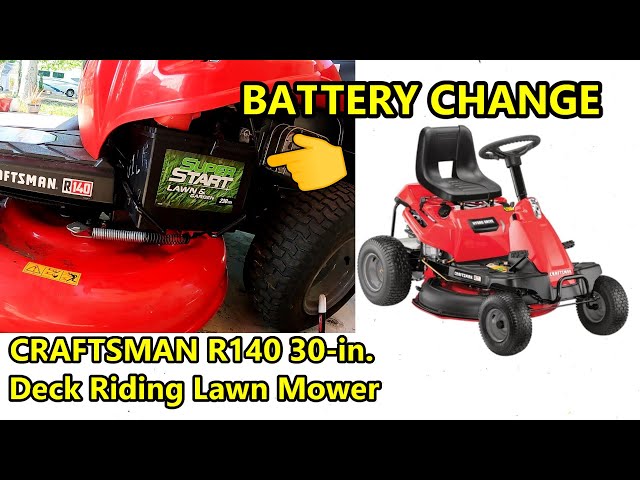
Credit: www.youtube.com
Frequently Asked Questions
Can A Mower Battery Be Repaired At Home?
Yes, some mower batteries can be repaired at home by cleaning terminals and recharging. However, severe damage may require replacement.
How Long Does A Mower Battery Last?
Typically, a mower battery lasts 3 to 5 years. Proper maintenance can extend its lifespan significantly.
What Causes Mower Battery Failure?
Battery failure is often caused by overcharging, deep discharging, corrosion, or old age. Regular checks help prevent issues.
Is It Safe To Repair A Mower Battery?
Yes, it is safe if proper precautions are taken. Use protective gear and follow repair guidelines carefully.
Conclusion
Mower batteries can sometimes be fixed with basic tools and care. Testing the battery first helps find the real problem. Cleaning the terminals and checking connections often improves performance. Some issues need a new battery for safety and power. Regular battery checks can extend its life.
Knowing when to repair or replace saves money and time. Taking simple steps keeps your mower ready for the next job. Repairing is possible but not always the best choice. Think about costs and effort before deciding.