Ever found yourself staring out the window at a drizzly sky, wondering if it’s safe to mow your lawn in the rain? You’re not alone.
The question, “Can lawn mowers get wet? ” Is one that many homeowners ponder. Your trusty mower is a vital tool in keeping your yard looking its best, but exposing it to water might seem risky. Before you make any decisions, let’s explore the ins and outs of using a lawn mower in wet conditions.
You’ll discover the surprising truths that could save you time, money, and frustration. Ready to find out if your mower can handle a little rain? Keep reading, and you’ll never have to second-guess your mowing decisions again.
Lawn Mowers And Water Exposure
Lawn mowers often face exposure to water, whether from rain or wet grass. Understanding how water affects these machines helps maintain their performance. Some mowers handle water better than others. Knowing the differences can save money and effort in repairs.
Types Of Lawn Mowers
Lawn mowers come in various types, each with unique features. The main types include:
- Gas-powered mowers
- Electric mowers
- Battery-operated mowers
- Manual reel mowers
Gas-powered mowers have engines that are sensitive to water. Electric and battery mowers contain electrical parts that may short circuit. Manual reel mowers have fewer parts and handle water better.
How Water Affects Lawn Mower Components
Water can damage several key parts of a lawn mower. Here are some components at risk:
- Engine:Water can cause rust and stop the engine from running.
- Electrical system:Moisture may short out wires and controls.
- Blades:Wet blades can rust and lose sharpness quickly.
- Fuel system:Water contamination can clog and damage fuel lines.
- Bearings and joints:Water causes corrosion, leading to stiffness and failure.
Regular drying and cleaning after exposure help protect these parts. Proper storage keeps lawn mowers safe from water damage.

Credit: navimow.segway.com
Risks Of Using Wet Lawn Mowers
Using a lawn mower when it’s wet might seem harmless, but it carries several risks that can affect both the machine and your safety. Wet conditions can cause unexpected problems, leading to costly repairs or dangerous situations. Understanding these risks helps you decide when to mow and how to protect your equipment.
Electrical Hazards
Electric lawn mowers are especially vulnerable to water. Moisture can seep into the wiring, causing short circuits or even electrical shocks. Have you ever felt a mild shock from a power tool? That’s a warning sign of a bigger problem that could happen with a wet mower.
Always check your mower’s electrical components before using it in damp conditions. If you notice any exposed wires or frayed cords, avoid using it until they’re fixed. Water and electricity should never mix, especially when you’re handling metal blades.
Engine Damage
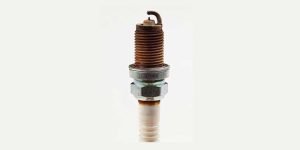
Gas-powered mowers aren’t immune either. Water entering the engine can lead to rust and corrosion, damaging vital parts over time. Imagine starting your mower one day only to hear it struggle because water clogged the carburetor or spark plug.
Wet grass can also clog the mower deck and blades, forcing the engine to work harder. This strain reduces efficiency and increases wear and tear. To keep your mower running smoothly, wait for the grass and ground to dry before cutting.
Safety Concerns
Wet lawns can be slippery, increasing your risk of losing control of the mower. Combine that with a wet machine, and you have a recipe for accidents. Think about the last time you slipped on wet grass—now imagine doing that while pushing a heavy, running mower.
Additionally, wet grass clippings can clog the discharge chute, causing the mower to kick back or stall unexpectedly. This sudden reaction can catch you off guard and lead to injuries. Staying cautious about moisture keeps you safer and your lawn mower in better shape.
Safe Practices For Wet Conditions
Handling your lawn mower during wet conditions requires careful attention to safety and maintenance. Wet grass and rainy weather can affect both the performance of your mower and your personal safety. Knowing when to avoid mowing, how to store your mower properly, and using protective covers can help extend the life of your equipment and keep you safe.
When To Avoid Mowing
You should never mow when the grass is soaked or during heavy rain. Wet grass clumps easily, which can clog your mower and cause uneven cuts. It also increases the risk of slipping and losing control of the mower, which can lead to accidents.
Ask yourself: is the ground soft enough to get stuck? If yes, it’s better to wait until the lawn dries. Mowing in wet conditions can damage your lawn by tearing grass instead of cutting it cleanly.
Proper Storage During Rain
Storing your lawn mower correctly during rainy weather prevents rust and mechanical issues. Always keep it in a dry, sheltered space such as a garage or shed. Avoid leaving it outside where moisture can accumulate on metal parts and electrical components.
If you can’t get it indoors, place the mower on a raised surface to keep it off the wet ground. This simple step reduces exposure to water and dirt, helping your mower stay in good working condition.
Using Protective Covers
Protective covers act as an extra shield against rain and moisture. Choose a cover made from waterproof materials with ventilation to prevent condensation buildup underneath. This helps avoid rust and mold growth.
When covering your mower, ensure it’s completely dry to prevent trapping moisture. Do you have a cover that fits snugly? A loose cover can let water in or blow away in the wind, defeating its purpose.

Credit: navimow.segway.com
Cleaning And Maintenance After Exposure
After your lawn mower has been exposed to wet conditions, proper cleaning and maintenance become essential to keep it running smoothly. Moisture can cause rust, clogging, and electrical issues if not addressed promptly. Taking the right steps after exposure helps extend the life of your mower and prevents costly repairs down the road.
Drying Techniques
Start by removing any standing water from the mower’s surface and engine area. Use a dry cloth or towel to wipe down all accessible parts gently.
Allow your mower to air dry in a warm, ventilated space. Avoid using direct heat sources like hairdryers as they can damage plastic components.
Have you tried leaving your mower upside down on a tarp or towel to help water drain away quickly? This simple trick can speed up drying and reduce moisture buildup inside hard-to-reach areas.
Inspecting For Damage
Once dry, closely examine the mower for signs of rust, corrosion, or damage to the wiring and spark plug. Moisture can cause hidden issues that might not be obvious at first glance.
Check the air filter for dampness or dirt, and replace it if necessary to avoid engine problems. Look at the blade and deck for rust spots or buildup that could affect cutting performance.
Have you noticed strange noises or difficulty starting after exposure? These could be early warnings that some components need attention or professional servicing.
Routine Maintenance Tips
Keep your mower well-maintained by cleaning it after every use, especially if it’s been exposed to rain or wet grass. Remove grass clippings and debris from under the deck to prevent rust and clogging.
Regularly oil the mower’s moving parts and check the fuel system for water contamination. Running fresh fuel through the engine helps avoid starting issues caused by moisture.
Do you schedule routine checks on your mower’s spark plug and blade sharpness? Staying on top of these small tasks saves you from bigger problems and keeps your lawn looking neat.
Alternatives For Wet Lawn Care
Handling a wet lawn can be tricky, especially when your usual mower isn’t up for the challenge. Instead of risking damage to your equipment or ending up with a messy cut, consider other ways to care for your lawn during damp conditions. These alternatives help keep your grass healthy without putting your tools at risk.
Using Manual Tools
Manual tools like grass shears or a handheld trimmer give you precise control without the risk of water damage. They allow you to trim wet grass carefully, preventing clumping or uneven cuts that machines might cause.
Using manual tools also gives you the chance to focus on problem spots, like edges or small patches, that your mower might miss. Have you noticed how much quieter your yard feels when you work with hand tools? It’s a peaceful way to maintain your lawn while avoiding machinery issues.
Adjusting Mowing Schedule
Waiting for the right moment to mow can save you trouble. Grass cut when wet tends to clump and can clog your mower, leading to uneven cuts and potential damage.
Try mowing early in the morning or later in the afternoon after the dew has dried. You might find that changing your schedule helps you keep your lawn looking sharp without the hassle of wet grass.
Professional Lawn Care Services
If you’re unsure about mowing wet grass yourself, hiring professionals can be a smart move. They often have specialized equipment designed to handle different weather conditions safely.
Professional services also bring expertise in timing and lawn care techniques that can protect your lawn’s health. Have you considered how much time and effort you could save by letting experts handle tricky weather conditions?

Credit: sg.news.yahoo.com
Frequently Asked Questions
Can Lawn Mowers Get Wet Without Damage?
Lawn mowers are not designed to get wet. Exposure to water can cause rust and damage electrical parts. Avoid using or storing them in wet conditions to ensure longevity and proper function.
Is It Safe To Mow Wet Grass With A Lawn Mower?
Mowing wet grass is not recommended. Wet grass can clog the mower and cause uneven cuts. It also increases the risk of slipping and damaging the mower’s blades or engine.
How To Protect A Lawn Mower From Rain?
Store your lawn mower in a dry, covered area like a shed. Use a waterproof cover if outdoor storage is necessary. Regularly check for moisture to prevent rust and electrical issues.
What Happens If A Lawn Mower Gets Soaked?
If a lawn mower gets soaked, it may develop rust, electrical faults, or engine problems. Immediate drying and inspection are essential. Running a wet mower can cause serious damage.
Conclusion
Lawn mowers should stay dry for best performance. Water can cause damage and rust parts quickly. Avoid mowing wet grass to protect the mower. Clean and dry the mower after each use. Regular care helps the mower last longer. A little attention now saves big repair costs later.
Keep your lawn mower safe and ready for work. This simple step makes mowing easier and safer.