Ever stared out the window at your trusty lawn mower sitting in the rain and wondered if it’s alright? You’re not alone.
Many homeowners have faced the same dilemma, questioning whether their beloved garden tool can withstand a downpour. But here’s the catch—knowing whether your lawn mower can handle the rain isn’t just about preserving your equipment; it’s about saving time, money, and the hassle of unexpected repairs.
Imagine being able to mow your lawn without worrying about potential water damage. Sounds great, right? Stick around, and you’ll discover the surprising truth about lawn mowers and rain. This might just change the way you care for your garden tools forever.
Effects Of Rain On Lawn Mowers
Rain and lawn mowers don’t mix well. Leaving your mower exposed to wet weather can lead to several problems that affect its performance and lifespan. Understanding how rain impacts different parts of your mower will help you protect your investment better.
Rust And Corrosion Risks
Metal parts on your lawn mower are highly vulnerable to rust when exposed to rain. Even a small amount of moisture can start the corrosion process, especially if the mower is not dried properly afterward. Rust weakens structural components, making the mower less reliable and harder to maintain.
Have you ever noticed reddish stains on your mower after it’s been left outside during a shower? That’s rust beginning to take hold. Preventing this means storing your mower in a dry place and regularly checking for any signs of corrosion.
Engine And Electrical Damage
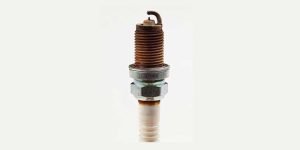
Water can seep into the engine and electrical components, causing serious damage. Moisture in the engine may lead to difficulties starting the mower or cause it to run poorly. Electrical parts like spark plugs and wiring are especially sensitive and can short-circuit if wet.
Think about how your mower behaves after being caught in the rain. Does it sputter or fail to start? These are clear signs that water has affected the engine or electrical system. Protect your mower by covering it or moving it indoors during rain.
Impact On Blades And Moving Parts
Rain can also affect the blades and other moving parts of your mower. Water causes blades to dull faster and can lead to rust buildup on the cutting edges. Additionally, moving parts like wheels and belts may seize or slip if moisture is present for long periods.
Have you experienced a mower that doesn’t cut as cleanly after a wet day? That’s often due to blade damage or rust. Regular cleaning and proper drying after rain can keep your blades sharp and parts moving smoothly.

Credit: www.yahoo.com
Preventive Measures Before Rain
Rain can damage lawn mowers if they are not prepared properly. Taking preventive steps before rain helps protect the mower and keeps it working longer. Simple actions can avoid rust, electrical issues, and engine problems caused by water exposure. Here are key ways to prepare your lawn mower before rain arrives.
Proper Storage Options
Store the lawn mower in a dry, sheltered place. Garages, sheds, or covered patios work well. Avoid leaving the mower outside where rain can soak it. Elevate the mower off the ground to stop moisture from seeping into the engine. A raised platform or wooden pallet works perfectly.
Using Protective Covers
Use a waterproof cover designed for lawn mowers. Covers keep rain, dust, and dirt away. Choose covers made from breathable material to avoid moisture buildup inside. Secure the cover tightly so wind does not blow it off. Check the cover regularly for tears or holes.
Regular Maintenance Tips
- Clean the mower after each use to remove grass and dirt.
- Check and change the oil regularly to prevent engine damage.
- Inspect the air filter and replace it if dirty.
- Sharpen the blades to keep them effective and safe.
- Lubricate moving parts to avoid rust and wear.
What To Do If Your Mower Gets Wet
Rain can catch your lawn mower off guard. Knowing how to act quickly protects your mower and keeps it working well. Taking the right steps after your mower gets wet helps avoid rust and damage. Follow these simple actions to care for your mower after exposure to rain.
Immediate Drying Steps
Move the mower to a dry, sheltered spot right away. Use a clean cloth to wipe off water from all surfaces. Open any covers or compartments to let moisture escape. Avoid turning on the mower until it is fully dry. Air drying can take several hours, depending on humidity and temperature.
Inspecting For Damage
Check the mower carefully for any signs of rust or corrosion. Look at the engine, blades, and electrical parts for water buildup. Make sure the spark plug and air filter are dry and clean. Water inside the fuel tank or carburetor can cause problems. Replace or repair parts that show damage before using the mower again.
Cleaning And Lubrication
Clean the mower deck and blades to remove grass and dirt. Use a brush or cloth to clear tight spaces where water may hide. Apply oil or lubricant to moving parts to prevent rust. Pay special attention to the blade shaft, wheels, and cables. Proper lubrication helps keep the mower running smoothly after wet conditions.

Credit: www.reddit.com
Choosing Weather-resistant Lawn Mowers
Choosing a weather-resistant lawn mower helps protect your investment. Rain and moisture can damage many mower parts. A mower built to resist wet conditions lasts longer. It saves time and money on repairs. Picking the right features and materials is key. Some mowers handle rain better than others. This guide covers what to check for and which models suit wet weather.
Features To Look For
- Water-resistant motor covers to keep moisture out
- Sealed electrical components for safety and durability
- Rust-proof blades and fasteners to prevent corrosion
- Protective coatings on metal parts to reduce wear
- Drain holes that prevent water buildup inside the mower
- Easy-to-clean designs that avoid water traps
Best Materials For Durability
- Stainless steel resists rust and holds up well
- Aluminum is lightweight and does not corrode easily
- Plastic parts with UV protection last longer outdoors
- Rubber seals keep water from entering sensitive areas
- Powder-coated metal offers extra resistance to moisture
Recommended Models
| Model | Material | Weather Features | Price Range |
|---|---|---|---|
| GreenWorks PRO 21-Inch | Aluminum deck, stainless steel blade | Sealed motor, rust-resistant coating | $$ |
| Honda HRX217VKA | NeXite deck, rubber seals | Weather-resistant design, corrosion proof | $$$ |
| Sun Joe MJ401E-PRO | Powder-coated steel | Water-resistant motor cover | $ |
Long-term Care For Lawn Mowers
Taking care of your lawn mower over the long term is essential to keep it running smoothly and extend its life. Exposure to rain and moisture can cause rust and mechanical issues if your mower isn’t properly maintained. Paying attention to storage, regular checks, and professional servicing will save you money and frustration down the road.
Seasonal Storage Tips
Storing your lawn mower correctly during the off-season can prevent damage caused by weather and neglect. Always clean the mower thoroughly before storage, removing grass clippings and dirt that can trap moisture and cause rust.
Keep the mower in a dry, sheltered place like a garage or shed. If indoor space is limited, cover it with a waterproof tarp to block rain and dew. Don’t forget to drain the fuel or add a fuel stabilizer to avoid engine problems after months of inactivity.
Routine Checks To Prevent Damage
Regular inspections help you catch small issues before they become costly repairs. Check the blades for sharpness and damage, and clean the air filter to maintain engine efficiency.
Look out for signs of rust on metal parts and lubricate moving components to prevent wear. How often do you take a close look at your mower’s condition? Setting a monthly reminder can keep you on track.
Professional Servicing Benefits
Even with good personal care, professional servicing offers a deeper level of maintenance that most owners can’t do themselves. Technicians can tune up the engine, replace worn parts, and ensure safety features are working properly.
Think about how much time and hassle you save by letting an expert handle complex repairs. Scheduling a professional service once a year can keep your mower in top shape and help you avoid unexpected breakdowns during the busy mowing season.

Credit: sg.news.yahoo.com
Frequently Asked Questions
Can Lawn Mowers Get Damaged By Rain?
Yes, rain can damage lawn mowers by causing rust and electrical issues. Avoid using or storing mowers in wet conditions to prolong their life.
Is It Safe To Mow Wet Grass After Rain?
Mowing wet grass is unsafe and can damage the mower. Wet grass clogs blades and causes uneven cutting. Wait until grass dries for best results.
How To Protect Lawn Mowers From Rain?
Store lawn mowers in a dry shed or garage. Use waterproof covers if outdoor storage is necessary. Regular maintenance prevents rust and electrical problems.
What Happens If A Lawn Mower Runs In Rain?
Running a lawn mower in rain can cause engine damage and short circuits. It also reduces cutting efficiency and increases the risk of accidents.
Conclusion
Lawn mowers should not stay wet for long. Rain can cause rust and damage parts. Always dry the mower after rain stops. Store it in a dry, safe place. This keeps your mower working well longer. Taking care of your mower saves money.
A dry mower cuts grass better and lasts. Remember, small steps prevent big problems later.