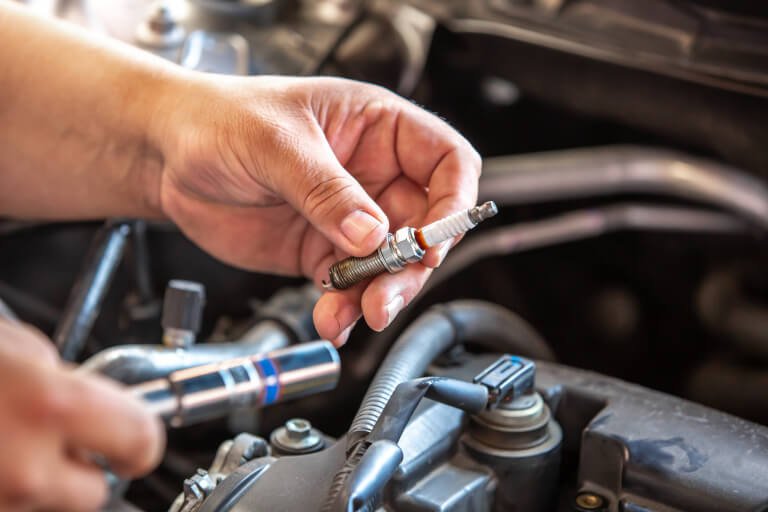
Have you ever wondered if you could change your own spark plugs? You’re not alone.
Many car owners ask themselves this very question. It can feel daunting, like stepping into the unknown. Yet, the reality might be simpler than you think. Imagine saving money and gaining confidence in your car maintenance skills. It sounds enticing, right?
You could become the hero of your own garage. Before you dive in, there’s a wealth of information to consider. From tools to techniques, we’ve got you covered. Dive deeper with us as we unravel the mysteries of spark plug replacement, making it an achievable task for you. Your car will thank you, and so will your wallet. Keep reading to discover just how doable this DIY project can be.
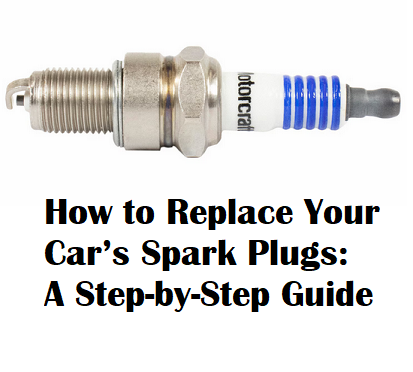
Credit: beachautomotive.com
Signs You Need New Spark Plugs
Spark plugs play a key role in your car’s engine. They ignite the air-fuel mix to start the engine. Over time, spark plugs wear out and cause problems. Recognizing the signs helps keep your car running smoothly. Knowing these signs can save you time and money on repairs.
Common Symptoms
- Engine misfires or rough idling
- Difficulty starting the engine
- Unusual engine noises like knocking
- Check engine light turns on
Performance Issues
Worn spark plugs reduce engine power. You may notice slower acceleration. The engine might hesitate or stall during driving. Uneven engine running can happen, causing a shaky feel. These issues affect your car’s overall performance.
Fuel Efficiency Drop
Old spark plugs cause poor fuel burning. This leads to lower miles per gallon. You will spend more on fuel than usual. A drop in fuel efficiency signals spark plugs need replacement.
Tools Required For The Job
Changing your spark plugs yourself can save money and give you a sense of accomplishment. But before you start, having the right tools is crucial. Without the proper equipment, the job can become frustrating or even damage your engine components.
Basic Tool List
- Spark Plug Socket:A special socket with a rubber insert to grip the plug securely. Usually 5/8” or 13/16” sizes fit most vehicles.
- Ratchet Wrench:Needed to turn the spark plug socket. A 3/8” drive ratchet offers good control.
- Extension Bar:Helps reach deep or tight spark plug wells, making the removal process easier.
- Torque Wrench:Ensures you tighten the spark plugs to the manufacturer’s specifications—too tight can crack the plug, too loose can cause poor engine performance.
- Dielectric Grease:Applied on the spark plug boot to prevent moisture and ensure a good electrical connection.
These basics cover most standard spark plug changes. Do you already own a ratchet set? If so, you’re halfway there.
Optional Helpful Tools
- Compressed Air:Use it to blow debris away from the spark plug area before removal, avoiding dirt falling into the cylinder.
- Gap Gauge:Checks and adjusts the gap on the spark plug electrode if needed, ensuring optimal spark performance.
- Magnetic Pickup Tool:Handy for retrieving dropped spark plugs or small parts in hard-to-reach spots.
- Work Light or Headlamp:Provides better visibility, especially if your engine bay is dim or during evening repairs.
- Gloves:Protect your hands from heat and grime during the job.
Have you ever dropped a spark plug into the engine bay? A magnetic tool can save your day. These extras aren’t mandatory but will definitely make the task smoother and safer.
Preparing Your Vehicle
Preparing your vehicle before changing spark plugs is very important. Proper preparation saves time and prevents damage. It also keeps you safe throughout the process.
Taking a few simple steps ensures the task goes smoothly. Start by gathering tools and understanding the engine layout.
Safety Precautions
Always work on a cool engine. Hot parts can burn your skin. Disconnect the battery to avoid electric shocks. Wear gloves and safety glasses to protect hands and eyes. Keep a fire extinguisher nearby in case of sparks. Ensure the vehicle is parked on a flat surface. Use wheel chocks to stop the car from rolling.
Locating The Spark Plugs
Open the hood and find the engine block. Spark plugs are usually on the top or side of the engine. Look for thick wires leading to each plug. These wires connect to the spark plugs. Consult your vehicle’s manual for exact locations. Mark each wire to avoid mixing them up. Clean the area around plugs to stop dirt from entering.
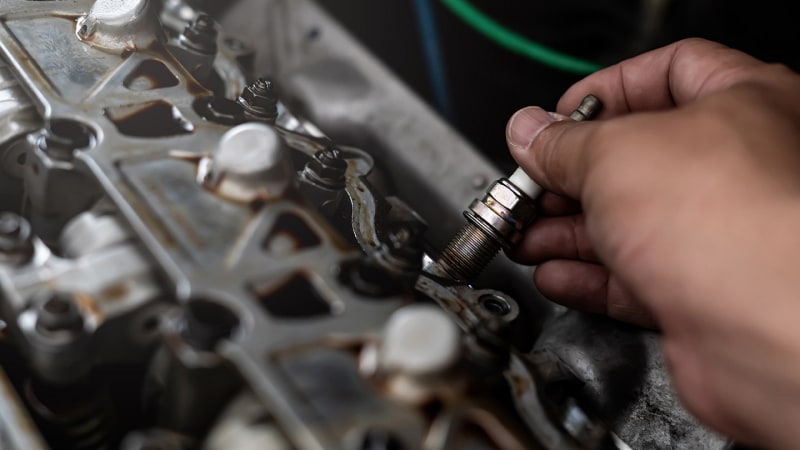
Credit: www.chase.com
Removing Old Spark Plugs
Removing old spark plugs is a key part of maintaining your engine’s performance. It might seem straightforward, but doing it correctly can save you time and prevent damage. Let’s look at how to safely disconnect and remove those plugs.
Disconnecting Spark Plug Wires
Start by identifying the spark plug wires connected to each plug. Gently twist the boot of the wire back and forth while pulling it off the plug—never pull on the wire itself. This prevents damage and ensures a secure grip.
It’s easy to forget which wire goes where once disconnected. Use masking tape and a marker to label each wire before removal. This simple step keeps you from mixing them up when reassembling.
Using The Spark Plug Socket
A spark plug socket is specially designed with a rubber insert to grip the plug securely. Attach it to a ratchet wrench and fit it over the spark plug snugly. Turn counterclockwise to loosen the plug without stripping the threads.
Sometimes plugs can be stuck tight after years of use. Apply steady pressure and avoid sudden jerks to prevent breaking the plug or damaging the engine. If you feel unusual resistance, pause and check for corrosion or debris.
Choosing The Right Spark Plugs
Choosing the right spark plugs is key to your car’s performance. The right spark plugs help the engine run smoothly and use fuel well. Wrong spark plugs can cause poor starts and low power. This section explains how to pick the best spark plugs for your vehicle.
Types Of Spark Plugs
Spark plugs come in different types. Each type fits specific engines and driving needs. Here are the main types:
- Copper:Basic and affordable. Good for older cars.
- Platinum:Lasts longer than copper. Works well in newer engines.
- Iridium:Very durable and offers strong sparks. Ideal for high-performance engines.
- Double Platinum:Both electrodes are platinum. Ensures longer life and better spark.
Choosing the type affects how often you replace plugs and engine efficiency.
Matching Specifications
Match spark plugs to your car’s exact needs. Check the owner’s manual for correct size and heat range. Using wrong size can cause engine damage or poor function.
Heat range shows how hot the spark plug gets. It must suit your engine type and driving style. Too hot plugs can cause pre-ignition. Too cold plugs may foul quickly.
Also, confirm the gap size between electrodes. Proper gap ensures good spark and fuel burn.

Credit: www.youtube.com
Installing New Spark Plugs
Installing new spark plugs is a key part of car maintenance. It helps keep your engine running smooth and saves fuel. Doing it yourself can save money and give you a sense of achievement. The process needs care and attention to avoid damage to the engine.
Proper Gap Setting
Each spark plug must have the right gap. The gap is the space between the center and ground electrode. This gap controls the spark size and engine performance.
Check the car manual or spark plug box for the correct gap size. Use a spark plug gap tool to measure it. If the gap is too wide or narrow, gently bend the electrode to adjust. The gap must be exact for the engine to run well.
Threading And Tightening Tips
Start threading the spark plug by hand. This prevents cross-threading, which can damage the engine’s cylinder head. Turn slowly and feel for resistance.
Once hand-tight, use a torque wrench to tighten the plug. Each car has a specific torque setting in the manual. Over-tightening can crack the plug or strip threads. Under-tightening can cause poor contact and engine misfires.
Use a spark plug socket with a rubber insert to hold the plug securely. Tighten in a clean and dry environment to avoid dirt entering the engine.
Post-installation Checks
After installing new spark plugs, some checks are vital to ensure everything works well. These checks prevent engine problems and guarantee smooth performance. Proper post-installation steps help avoid future repairs and save time.
Reconnecting Wires
Reattach the spark plug wires carefully to each spark plug. Match each wire to its correct plug to keep the engine firing properly. Press the boot firmly until it clicks or feels secure. Loose wires cause misfires and rough running.
Starting The Engine
Turn the ignition key to start the engine. Listen for smooth, steady running sounds without hesitation. If the engine stalls or runs rough, recheck the wire connections and spark plug gaps. A good start signals a successful installation.
Test Drive Tips
Drive the car gently for the first few miles. Avoid rapid acceleration and heavy loads. Notice any unusual sounds or vibrations during the drive. Smooth acceleration and steady engine performance mean the spark plugs work well.
Common Mistakes To Avoid
Changing spark plugs yourself can save money and give you a sense of accomplishment. However, a few common mistakes can turn this simple task into a costly problem. Knowing what to avoid helps you work smarter and keep your engine running smoothly.
Over-tightening
It’s tempting to tighten spark plugs as much as possible, thinking it ensures a better fit. But over-tightening can damage the threads in the cylinder head, leading to costly repairs or even engine damage.
Use a torque wrench if you can, and follow the manufacturer’s recommended torque specs exactly. If you don’t have one, tighten the plug until it’s snug, then give it a gentle additional turn. Too much force can strip the threads or crack the plug itself.
Cross-threading
Cross-threading happens when the spark plug is inserted at an angle or forced improperly. This damages the threads and makes it hard to get the plug out later.
Always start threading the plug by hand. If it doesn’t screw in easily, back it out and try again. Taking a little extra time here saves headaches down the road.
Ignoring Safety
Working on your engine without proper safety precautions puts you at risk of injury. Spark plugs get very hot, and the engine parts can be sharp or move unexpectedly.
Make sure the engine is cool before you begin. Wear gloves and safety glasses to protect your hands and eyes. Disconnect the battery to avoid accidental electrical shocks while working.
Frequently Asked Questions
Can I Safely Change Spark Plugs Myself?
Yes, you can safely change spark plugs if you have basic tools and follow a step-by-step guide carefully. Always ensure the engine is cool before starting to avoid burns or damage.
What Tools Do I Need To Change Spark Plugs?
You need a spark plug socket, ratchet, extension bar, and a gap gauge. Having a torque wrench helps ensure proper tightening for optimal performance.
How Often Should Spark Plugs Be Replaced?
Spark plugs typically need replacement every 30,000 to 100,000 miles. Check your vehicle’s manual for exact intervals based on your car model.
What Are Signs My Spark Plugs Need Changing?
Engine misfires, poor fuel economy, rough idling, and difficulty starting indicate worn spark plugs. Regular inspection helps avoid performance issues.
Conclusion
Changing spark plugs yourself can save money and time. It needs basic tools and some care. Follow the steps carefully for best results. Watch out for tight spaces and fragile parts. Taking your time helps avoid mistakes. Simple cars make this task easier to do.
Trust your hands but know when to ask for help. Regular spark plug changes keep your engine healthy. Try it once and see how it feels. You might find it easier than you thought.





