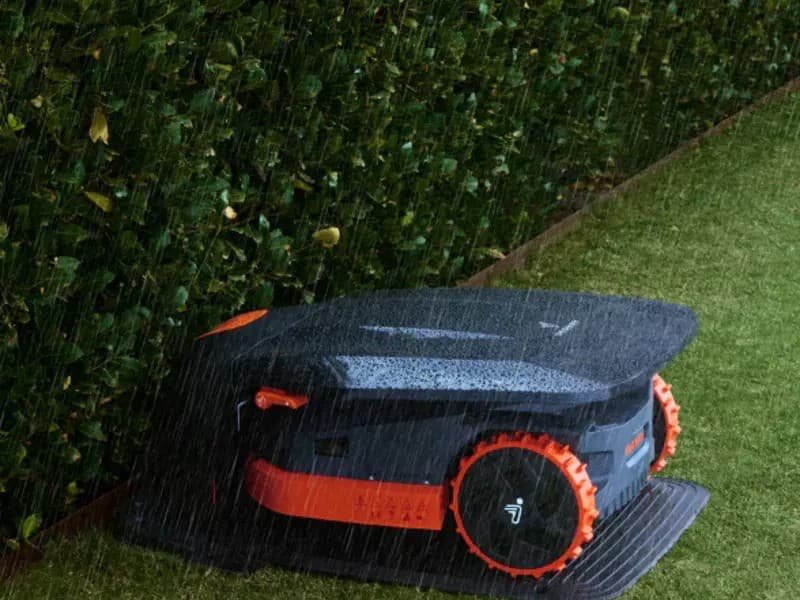
Are you thinking about mowing the lawn just after a surprise rain shower? Or maybe you’ve left your electric lawn mower outside, and now you’re worried about it getting wet.
You’re not alone in this concern. We all want to ensure our tools last long and work efficiently, but when it comes to electric lawn mowers, moisture can be a big question mark. Can they handle a little sprinkle, or should you be rushing to cover them at the first drop of rain?
In this post, you’ll uncover the truths and myths about electric lawn mowers and wet conditions. Stay with us to find out how to keep your mower safe and your lawn looking pristine, no matter the weather.

Credit: mowrator.com
Electric Mower Basics
Understanding the basics of electric lawn mowers helps in using them safely and effectively. These machines offer a quieter and cleaner alternative to gas mowers. Knowing how they work and the types available helps in choosing the right one for your yard.
How Electric Mowers Work
Electric mowers use an electric motor instead of a gas engine. They get power from a battery or a power cord plugged into an outlet. The motor spins the blades to cut grass. Electric motors run quietly and produce no emissions. They need less maintenance than gas mowers. Charging or connecting to power is required before use.
Types Of Electric Lawn Mowers
- Corded Electric Mowers:These connect to an outlet with a power cord. They provide continuous power but limit movement by cord length.
- Battery-Powered Mowers:These run on rechargeable batteries. They offer more freedom of movement without cords.
- Robotic Mowers:These automatic mowers work on batteries. They move on their own, cutting grass with minimal human effort.

Credit: www.nytimes.com
Water Exposure Risks
Electric lawn mowers are useful tools but have limits. Exposure to water is one of the main concerns. Water can cause damage to the mower’s parts and create safety risks. Understanding these risks helps keep your mower safe and working well.
Potential Damage To Components
Water can harm the mower’s motor and battery. Moisture can cause rust on metal parts. This leads to poor performance and shorter mower life.
Electronic parts inside the mower may stop working if wet. Water can cause short circuits and other failures. Repair costs can be high, or the mower may become unusable.
Electrical Safety Hazards
Electric mowers use power that can shock you if wet. Water increases the risk of electric shock during use or charging.
Wet conditions can cause sparks or fires in damaged wiring. This risk is dangerous for both the user and the surroundings.
Always keep electric mowers dry and avoid using them in rain or wet grass.
Using Mowers In Wet Conditions
Using electric lawn mowers in wet conditions can be tricky. While these machines are designed to be efficient and eco-friendly, moisture poses real risks to both the mower and your safety. Understanding when and how to use your mower in damp weather helps you avoid damage and accidents.
When To Avoid Mowing
You should never mow when the grass is soaked from heavy rain or early morning dew. Wet grass clumps and sticks to the mower blades, causing uneven cuts and potential clogging. Plus, wet ground can be slippery, increasing the chance of losing control of the mower.
Another key time to avoid mowing is during thunderstorms or if the weather forecast predicts rain within the next hour. Water and electricity don’t mix well, and operating your electric mower in these conditions can lead to short circuits or electric shocks.
Signs Of Unsafe Conditions
Before you start mowing, check for puddles or muddy patches on your lawn. These can hide obstacles and make it harder to push the mower, risking damage or injury.
Also, listen for unusual sounds from the mower, such as sputtering or sparks. These could indicate water has entered the motor or electrical parts. If you spot damp patches on the mower’s cables or housing, it’s best to stop and dry everything thoroughly before continuing.
Safety Tips For Wet Weather
Operating an electric lawn mower in wet weather requires extra caution to keep both you and your equipment safe. Wet conditions can increase the risk of electric shock and damage to your mower. Taking the right safety measures before and after mowing in damp conditions helps protect your investment and prevents accidents.
Protective Gear And Equipment
Wearing the right protective gear is essential when mowing wet grass. Waterproof boots with non-slip soles prevent you from slipping on slick surfaces. Gloves designed for electrical work can help reduce the risk of electric shock and improve your grip on the mower’s handles.
Consider using a rain jacket or waterproof clothing to stay dry, which keeps your focus sharp and reduces distractions. Avoid cotton clothing since it absorbs water and becomes heavy. Instead, choose synthetic fabrics that dry quickly and repel moisture.
Proper Handling And Storage
Never operate your electric mower if it’s visibly wet or if the grass is soaked. Water can seep into electrical components, causing short circuits or malfunction. Pause mowing if rain begins and wait until the grass and mower are dry.
After use, clean your mower thoroughly and dry it before storing. Store the mower in a dry, sheltered spot away from direct moisture and humidity. This prevents rust and extends the life of the battery and motor.
Ask yourself: Are you checking your mower for moisture before every use? A quick inspection can save you from costly repairs and keep you safe.
Maintenance After Wet Use
Maintenance after wet use is essential for electric lawn mowers. Water exposure can cause damage if not handled properly. Proper care helps extend the life of your mower and keeps it working safely.
Cleaning And Drying Procedures
Start by unplugging the mower from the power source. Remove any grass clippings or dirt stuck on the mower. Use a soft brush or cloth to clean the surface gently. Avoid using a hose or direct water spray on the mower.
Dry the mower thoroughly with a clean, dry towel. Pay special attention to areas where water can collect. Leave the mower in a well-ventilated area to air dry completely before storing or using again.
Inspection For Water Damage
Look for any visible signs of water damage on the mower. Check the battery compartment for moisture or corrosion. Inspect the electrical connections and switches carefully.
Test the mower only after it is fully dry. If it does not start or runs poorly, get it checked by a professional. Regular inspections prevent long-term damage and keep the mower safe to use.

Credit: www.aol.com
Choosing Weather-resistant Models
Choosing an electric lawn mower that can handle wet conditions is crucial if you want to keep your garden looking sharp regardless of unexpected weather. Not all electric mowers are built to withstand moisture, so it’s important to focus on models designed with weather resistance in mind. Picking the right one saves you from damage and gives you peace of mind when a sudden drizzle hits.
Features To Look For
Look for electric mowers with IP ratingsthat indicate water resistance. An IPX4 rating or higher means the mower can handle splashes and light rain without issues.
Check if the mower has sealed battery compartmentsand waterproof switches. These features prevent water from causing short circuits or corrosion.
Consider models with durable housingmade of rust-resistant materials like reinforced plastic or aluminum. They last longer when exposed to moisture.
Does the mower have quick-drying componentsor designs that avoid water accumulation? This helps reduce downtime after mowing in damp conditions.
Recommended Brands
- Greenworks:Known for solid weather-resistant models with high IP ratings and sturdy build quality. Their mowers often have sealed batteries and weatherproof controls.
- Ryobi:Offers several electric mowers designed with water-resistant features. Many models come with weatherproof batteries and rugged construction.
- EGO Power+:Their mowers include advanced waterproofing and durable components. Users often praise their performance even in wet grass or light rain.
- WORX:Focuses on safety and weather resistance, offering models with sealed electronics and easy-to-clean surfaces that handle moisture well.
Have you ever faced a sudden rain shower during mowing? Choosing the right weather-resistant electric mower means you won’t have to stop mid-job or worry about costly repairs. Which features matter most to you when battling unpredictable weather?
Frequently Asked Questions
Can Electric Lawn Mowers Be Used In Wet Grass?
Electric lawn mowers are not designed for wet grass. Cutting wet grass can clog blades and damage the motor. It’s best to wait until the grass is dry for optimal performance and safety.
What Happens If An Electric Mower Gets Wet?
If an electric mower gets wet, it may cause electrical shorts or motor damage. Water can also cause rust and reduce mower lifespan. Always keep your mower dry and store it in a sheltered place.
Are Electric Lawn Mowers Waterproof?
Most electric lawn mowers are not fully waterproof. They usually have some water resistance but are not meant for heavy rain or wet conditions. Check the manufacturer’s guidelines for specific water exposure limits.
How To Protect Electric Mowers From Rain?
To protect electric mowers from rain, store them in a dry shed or garage. Use a waterproof cover if left outside. Avoid mowing during rain to prevent damage and ensure safety.
Conclusion
Electric lawn mowers are not made for wet conditions. Water can damage the motor and cause safety risks. Always keep your mower dry and store it inside after use. Wet grass can clog the blades and slow the mower down.
Use your mower only on dry days for the best results. Taking simple care steps helps your mower last longer. Safety first—avoid using electric mowers in rain or on wet ground. A little caution keeps your lawn and mower safe.