Have you ever noticed your car shaking or struggling to keep a steady engine speed when idling? That rough idle feeling can be more than just annoying—it might signal a deeper issue with your vehicle.
One common culprit you might not have considered is your spark plugs. Yes, those small but powerful parts play a big role in how smoothly your engine runs. If they’re worn out or damaged, they can cause your engine to misfire, leading to that rough, uneven idle you’re experiencing.
Keep reading to find out how bad spark plugs affect your car’s performance and what you can do to fix it before it turns into a bigger problem.

Credit: www.chryslerminivan.net
How Spark Plugs Affect Engine Performance
Spark plugs play a crucial role in your vehicle’s engine performance. They ignite the air-fuel mixture inside the engine cylinders, powering your car. If spark plugs aren’t working well, your engine might run rough or even stall.
Role Of Spark Plugs In Combustion
Spark plugs create a tiny electric spark that ignites the air and fuel mixture in the engine’s cylinders. This ignition causes combustion, which generates the power needed to move your car.
The timing and strength of the spark are critical. If the spark is weak or delayed, combustion won’t happen properly, leading to poor engine performance.
Think about it: if your spark plugs don’t fire correctly, your engine struggles to run smoothly. This can cause rough idling, reduced power, and increased fuel consumption.
Signs Of Worn Or Faulty Spark Plugs
- Rough Idle:Your engine feels shaky or uneven when idling, which often means spark plugs aren’t firing consistently.
- Hard Starting:It takes longer to start the engine, or it may not start at all.
- Poor Fuel Economy:Worn spark plugs can cause incomplete combustion, wasting fuel.
- Engine Misfires:You might notice jerking or hesitation while driving, a classic sign of spark plug problems.
Have you ever felt your car shake at a stoplight? That’s a strong hint to check your spark plugs. Catching these signs early saves you from more expensive engine repairs later.

Credit: craigscarcare.com
Causes Of Rough Idle
A rough idle can make your car shake or feel unstable when it is stopped. Many problems can cause this issue. Understanding these causes helps you find the right fix quickly. Some issues relate to the engine’s parts and how they work together. Others come from specific components like the spark plugs.
Common Engine Issues
Engines need smooth fuel and air flow to run well. Any disruption can cause a rough idle. Worn-out air filters block air from entering the engine. Dirty fuel injectors spray fuel unevenly. Problems with the intake manifold can cause air leaks. Faulty sensors send wrong signals to the engine control unit. These issues disturb the engine’s balance and cause shaking or stalling.
Impact Of Spark Plug Problems
Spark plugs ignite the air-fuel mix in the engine’s cylinders. Bad spark plugs cause weak or no sparks. This leads to incomplete combustion. The engine misfires and runs unevenly. Rough idling happens because some cylinders don’t fire properly. Signs of bad spark plugs include poor fuel economy and engine hesitation. Regular checking and replacing spark plugs keeps the engine running smoothly.
Symptoms Linked To Bad Spark Plugs
Recognizing the symptoms linked to bad spark plugs can save you from unexpected car troubles. These signs often start subtly but can escalate quickly, affecting your driving experience and vehicle performance. Paying attention to these symptoms helps you decide when it’s time to check or replace your spark plugs.
Engine Misfires And Hesitation
One of the most common signs of bad spark plugs is engine misfires. You might notice your car jerking or hesitating, especially when accelerating or going uphill. This happens because faulty spark plugs fail to ignite the air-fuel mixture properly, disrupting smooth engine operation.
Have you ever felt your car suddenly lose power without warning? That hesitation could be a spark plug issue waiting to worsen. Ignoring it can lead to more severe engine damage, so it’s best not to delay a checkup.
Increased Fuel Consumption
Bad spark plugs can cause your engine to burn more fuel than usual. When plugs don’t fire correctly, the engine compensates by using extra fuel to maintain power. This inefficiency not only hits your wallet but also increases harmful emissions.
Tracking your fuel economy can reveal early problems. If you notice a sudden drop in miles per gallon, consider inspecting your spark plugs as a potential cause.
Difficulty Starting The Engine
Struggling to start your car on cold mornings or after it has been parked for a while may point to worn-out spark plugs. Weak or fouled plugs can make it harder for the engine to ignite the fuel mixture, resulting in longer cranking times or failure to start.
Think about how frustrating it feels when your car won’t start right away. Addressing spark plug issues promptly can restore reliable starting and save you from being stranded.
Diagnosing Spark Plug Issues
Diagnosing issues with your spark plugs is key to fixing a rough idle. Spark plugs are small but mighty components that play a huge role in your engine’s performance. Catching problems early can save you from bigger headaches down the road.
Visual Inspection Tips
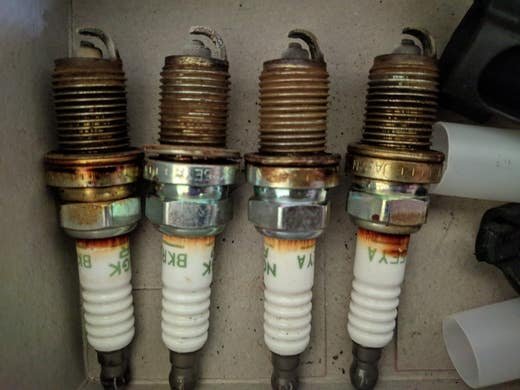
Start by removing the spark plugs and giving them a close look. Check for signs like black soot, oil deposits, or worn electrodes. These clues tell you if the plugs are fouled or damaged.
Pay attention to the gap between the electrodes. If it’s too wide or too narrow, your engine might misfire. Also, cracks or chips in the ceramic insulator are red flags that mean it’s time to replace the plug.
Have you ever noticed a spark plug that looks perfectly fine but still causes rough idling? Sometimes, damage isn’t obvious, so don’t rely solely on visual checks.
Using Diagnostic Tools
Diagnostic tools can give you a clearer picture of spark plug health. A multimeter helps measure resistance and continuity, indicating if a plug is faulty inside. Low resistance means the plug is likely still good.
Consider using an OBD-II scanner to check for misfire codes. These codes can point to specific cylinders with bad plugs. It’s a quick way to pinpoint trouble without guessing.
Another useful tool is a spark tester. It shows whether the spark plug produces a strong, consistent spark. Weak or no spark confirms the plug isn’t firing correctly, causing that rough idle you’re experiencing.
Fixing Rough Idle From Spark Plug Problems
Rough idle can make driving uncomfortable and may signal spark plug issues. Fixing rough idle from spark plug problems improves engine smoothness and performance. Spark plugs affect combustion, so their condition matters a lot. Addressing spark plug problems can reduce engine vibrations and stalling.
Replacing Spark Plugs
Old or worn spark plugs cause misfires and rough idle. Replace spark plugs every 30,000 to 50,000 miles for most cars. Use a spark plug socket and a torque wrench for proper installation. Check the gap between electrodes before installing new plugs. Tighten spark plugs to the manufacturer’s specifications to avoid damage.
Choosing The Right Spark Plug Type
Different engines require different spark plug types. Use spark plugs that match your vehicle’s make and model. Common types include copper, platinum, and iridium plugs. Iridium plugs last longer and provide better performance. Check your owner’s manual or consult a mechanic for the best choice.
Preventing Future Spark Plug Issues
Preventing future spark plug issues is key to keeping your engine running smoothly and avoiding the frustration of a rough idle. Understanding how to care for your spark plugs can save you money and time on repairs. Simple habits and timely inspections make a big difference in performance and fuel efficiency.
Maintenance Best Practices
Start by using the correct spark plugs recommended for your vehicle. Using the wrong type can cause misfires and rough idling. Make sure to clean or replace spark plugs at intervals suggested in your car’s manual.
Keep an eye on spark plug gaps. If the gap is too wide or too narrow, it affects the spark quality and engine performance. You can check and adjust this gap with a feeler gauge during routine maintenance.
Don’t forget to check the ignition system components like wires and coils. Worn-out parts can put extra stress on your spark plugs, causing them to wear out faster. A little attention here prevents bigger problems down the road.
When To Schedule Regular Checks
Ask yourself: how often do you think about your spark plugs? Many drivers overlook them until a problem arises. Scheduling checks every 30,000 miles or as advised in your vehicle’s guide helps catch issues early.
Seasonal changes can also impact spark plug performance. Cold weather demands more from your ignition system, so a check before winter can prevent rough starts. Similarly, a quick inspection after long road trips keeps things in top shape.
Listening to your engine is another way to know when to check spark plugs. If you notice rough idling, hesitation, or poor fuel economy, don’t delay a visit to your mechanic. Early diagnosis saves you from costly repairs later on.
Credit: www.pacificaforums.com
Frequently Asked Questions
Can Bad Spark Plugs Cause Rough Idle Symptoms?
Yes, bad spark plugs can cause rough idle. Worn plugs misfire, disrupting engine combustion and causing vibration during idling. Replacing faulty spark plugs often resolves rough idle issues and improves engine performance.
How Do Spark Plugs Affect Engine Idle Quality?
Spark plugs deliver the spark needed for fuel combustion. If they are dirty or worn, they cause weak or inconsistent sparks. This leads to uneven engine idling and rough running conditions.
What Are Common Signs Of Bad Spark Plugs?
Common signs include rough idle, engine misfires, poor acceleration, and reduced fuel efficiency. Ignoring these symptoms may damage the engine and affect vehicle performance.
How Often Should Spark Plugs Be Replaced?
Spark plugs should typically be replaced every 30,000 to 100,000 miles. Check your vehicle’s manual for specific intervals. Regular replacement ensures smooth idling and optimal engine function.
Conclusion
Spark plugs play a crucial role in engine performance. A rough idle often signals spark plug issues. Replacing them can smooth out your ride. Regular maintenance is key. It ensures your vehicle runs efficiently. Ignoring spark plug problems can lead to bigger issues.
Always check them during routine inspections. This simple step saves time and money. A well-maintained engine offers better fuel efficiency. It also provides a more comfortable driving experience. So, keep an eye on those spark plugs. Your car will thank you.