
Your car is your trusted companion on the road, guiding you through every twist and turn. But what happens when it starts to overheat?
You’re left stranded and frustrated, wondering what went wrong. Could the culprit be something as small as a spark plug? It might surprise you, but those tiny components can play a big role in your engine’s performance. When they misfire, your engine might work harder than it should, leading to overheating.
But how can you be sure that’s the issue? And what can you do about it? Stay with us as we delve into the connection between bad spark plugs and overheating. Discover how this small part can have a huge impact on your driving experience. You won’t want to miss the simple solutions that could save you time, money, and stress.

Credit: www.dodgeintrepid.net
How Spark Plugs Work
Understanding how spark plugs work is key to knowing why they might cause your engine to overheat. Spark plugs ignite the air-fuel mixture inside your engine’s cylinders, making your car run smoothly. If they don’t perform well, the whole combustion process can be affected, leading to engine problems like overheating.
Role In Engine Combustion
Spark plugs create the tiny spark needed to ignite the air and fuel mixture inside the engine cylinder. This controlled explosion pushes the piston down, generating power to move your car. Without a strong and timely spark, combustion becomes inefficient, which can cause incomplete burning and extra heat.
Think about it like this: if your spark plugs misfire or don’t spark at the right moment, fuel might not burn completely. This leaves unburned fuel inside the cylinder, which can increase engine temperature and stress. Have you ever noticed your car running hotter after ignoring spark plug issues?
Types Of Spark Plugs
Spark plugs come in different types, each suited for certain engines and driving conditions. The main types include:
- Copper Spark Plugs:Offer good performance but wear out faster.
- Platinum Spark Plugs:Last longer than copper and provide better heat resistance.
- Iridium Spark Plugs:Known for excellent durability and stronger sparks.
Choosing the right type matters because a plug that doesn’t match your engine’s needs can cause poor combustion. Have you ever swapped spark plugs and noticed a change in your engine’s temperature or performance? That’s the difference the right spark plug can make.

Credit: carfromjapan.com
Symptoms Of Bad Spark Plugs
Recognizing the symptoms of bad spark plugs can save you from costly repairs and prevent your engine from overheating. Spark plugs play a crucial role in igniting the fuel-air mixture in your engine. When they fail, your vehicle shows clear signs that something is wrong.
Engine Misfires
One of the most obvious signs of bad spark plugs is engine misfires. Your engine may hesitate or jerk during acceleration. You might feel a sudden loss of power, especially when driving uphill or carrying heavy loads.
Have you ever noticed your car struggling to start or stalling unexpectedly? These are red flags that your spark plugs may not be firing correctly. Misfires also increase engine temperature, which can lead to overheating if ignored.
Poor Fuel Efficiency
Do you find yourself refueling more often than usual? Bad spark plugs cause incomplete combustion, which wastes fuel. This inefficiency means your engine burns more fuel to maintain performance.
Tracking your miles per gallon can help spot this issue early. A drop in fuel economy is not just a hit to your wallet—it’s a warning sign to check your spark plugs before overheating or engine damage occurs.
Rough Idle
If your engine feels rough or shaky when idling, bad spark plugs might be the cause. You may notice vibrations or an uneven sound coming from the engine bay. This happens because the spark plugs aren’t igniting the fuel properly in one or more cylinders.
Pay attention to these subtle signs during your daily drive. A rough idle can quickly escalate to more serious engine problems, including overheating, if you don’t address it promptly.
Connection Between Spark Plugs And Overheating
Understanding the connection between spark plugs and engine overheating is crucial for maintaining your vehicle’s health. Faulty spark plugs can directly impact how your engine runs and, surprisingly, lead to increased engine temperatures. Let’s break down how this happens and what signs to watch for.
Impact On Engine Temperature
Bad spark plugs cause incomplete combustion, which means fuel burns inefficiently inside the engine. This inefficiency forces the engine to work harder, producing extra heat that raises the overall temperature.
When your engine runs hotter than usual, it stresses other components like the cooling system and can even lead to permanent damage. Have you noticed your temperature gauge creeping higher after a spark plug change or tune-up? This could signal issues with your plugs.
Delayed Combustion Effects
Delayed combustion occurs when spark plugs don’t ignite the fuel-air mixture at the right moment. This mistiming can cause engine knocking and uneven pressure inside the cylinders.
Such knocking not only damages your engine but also generates excessive heat, contributing to overheating. If your car hesitates or stumbles during acceleration, it might be your spark plugs causing delayed combustion and overheating problems.
Other Causes Of Engine Overheating
Engine overheating can stem from various issues beyond just bad spark plugs. Understanding these other causes can help you diagnose problems more accurately and avoid costly repairs. Let’s look at some common culprits that might be causing your engine to run hotter than it should.
Coolant System Failures
Your engine relies heavily on the coolant system to maintain the right temperature. If there’s a leak, blockage, or air trapped in the system, the coolant can’t circulate properly. I once ignored a slow coolant leak, and my car’s temperature gauge skyrocketed unexpectedly during a long drive.
Signs to watch for include low coolant levels and visible puddles under your vehicle. Regularly checking coolant levels and looking for leaks can save you from overheating headaches.
Thermostat Issues
The thermostat acts like a gatekeeper, controlling when coolant flows through the engine. If it gets stuck closed, the coolant can’t circulate, causing the engine to overheat quickly. On the other hand, a thermostat stuck open can keep your engine too cool, reducing efficiency.
Have you ever noticed your engine taking too long to warm up or overheating rapidly? That could be a thermostat problem. Replacing a faulty thermostat is usually a simple fix that can prevent further engine damage.
Radiator Problems
The radiator’s job is to dissipate heat from the coolant before it cycles back into the engine. Clogs, corrosion, or physical damage to the radiator can reduce its effectiveness. I remember a time when a clogged radiator caused my car to overheat in traffic, turning what should have been a quick commute into a roadside emergency.
Check for signs like coolant discoloration, leaks, or visible damage on the radiator fins. Flushing the radiator periodically and repairing any damage can help keep your engine cool and running smoothly.
Preventing Overheating Due To Spark Plugs
Preventing overheating caused by spark plugs is crucial for your engine’s health. Faulty spark plugs can make the engine work harder, leading to excess heat. Proper care and the right choices can stop this problem early. Keeping spark plugs in good shape helps maintain smooth engine performance and avoids costly repairs.
Regular Maintenance Tips
- Check spark plugs every 30,000 miles or as your car manual suggests.
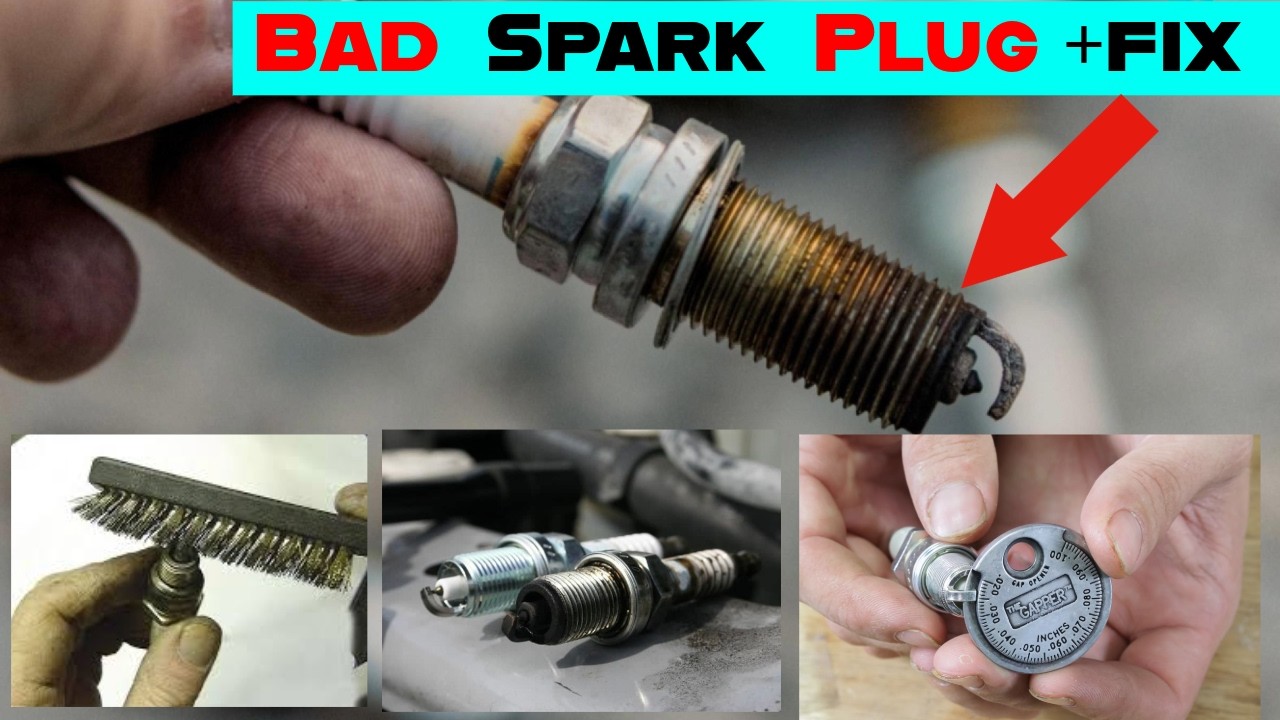
- Look for signs of wear like cracks, corrosion, or carbon buildup.
- Clean spark plugs carefully using a wire brush or spark plug cleaner.
- Replace spark plugs if you notice any damage or poor engine performance.
- Inspect spark plug wires for damage or loose connections.
- Keep engine components clean to prevent overheating.
Choosing The Right Spark Plugs
Select spark plugs that fit your vehicle’s make and model. Using the wrong type can cause poor combustion and extra heat.
Consider these factors:
| Factor | Details |
|---|---|
| Material | Copper, platinum, or iridium – each lasts different lengths. |
| Heat Range | Choose plugs with the correct heat range for your engine. |
| Gap Size | Ensure the gap matches your car’s specifications. |
Consult your vehicle’s manual or a trusted mechanic for the best spark plug choice.
When To Replace Spark Plugs
Knowing when to replace your spark plugs is key to keeping your engine running smoothly and preventing issues like overheating. Spark plugs wear out over time, and ignoring the signs can lead to poor performance and costly repairs. Let’s look at the clear signals that tell you it’s time for a change and the intervals recommended by manufacturers.
Signs Of Wear
Have you noticed your engine misfiring or struggling to start? These are common signs that your spark plugs may be worn out. Other symptoms include:
- Reduced fuel efficiency
- Rough idling or engine hesitation
- Difficulty accelerating
- Increased exhaust emissions
Sometimes, inspecting the spark plugs can reveal buildup, corrosion, or a worn electrode. If you see black soot or oily deposits, it’s a clear indicator that replacement is overdue. Ignoring these signs can cause your engine to overheat due to incomplete combustion.
Recommended Replacement Intervals
Different vehicles and spark plug types have varying replacement timelines. Generally, copper spark plugs last around 20,000 to 30,000 miles, while platinum and iridium plugs can last up to 60,000 to 100,000 miles.
Check your vehicle’s owner manual for specific guidance. If you do a lot of stop-and-go driving or tow heavy loads, consider replacing spark plugs sooner. Regular maintenance helps avoid unexpected overheating and keeps your engine in top shape.
Credit: www.youtube.com
Frequently Asked Questions
Can Bad Spark Plugs Cause Engine Overheating?
Yes, bad spark plugs can cause engine overheating. They misfire, leading to incomplete combustion and excess heat buildup. This strains the cooling system, potentially causing the engine to overheat if not addressed promptly.
How Do Faulty Spark Plugs Affect Engine Temperature?
Faulty spark plugs cause misfires, reducing combustion efficiency. This increases engine temperature as unburned fuel ignites improperly, generating extra heat. Over time, this heat can overwhelm the cooling system, resulting in overheating.
What Symptoms Indicate Spark Plugs Cause Overheating?
Symptoms include rough idling, poor acceleration, and increased engine temperature. You might also notice decreased fuel efficiency and engine knocking. These signs suggest spark plugs are malfunctioning and could contribute to overheating.
Can Replacing Spark Plugs Prevent Engine Overheating?
Yes, replacing worn or damaged spark plugs improves combustion efficiency. This reduces excessive heat generation and helps maintain optimal engine temperature. Regular spark plug maintenance is key to preventing overheating issues.
Conclusion
Bad spark plugs can make your engine run hotter than normal. They cause poor combustion, leading to extra heat inside the engine. This heat can damage parts and reduce performance. Regularly checking and replacing spark plugs helps keep the engine cool and working well.
Don’t ignore signs like rough idling or poor fuel efficiency. Taking care of spark plugs prevents overheating and costly repairs later. Simple maintenance keeps your car running smoothly and safely on the road.





