Picture this: You’re cruising down the road, enjoying the smooth ride, when suddenly, your car starts to shudder and lose power. Your heart sinks as you wonder what could be wrong.
Could it be something as simple as a bad spark plug? Misfires can be unnerving and frustrating, especially when you don’t know what’s causing them. But what if the culprit is hiding right under your nose, in the form of a small yet vital component?
We’re diving into the world of spark plugs to uncover their potential role in causing engine misfires. You’ll discover how these tiny parts, often overlooked, can impact your vehicle’s performance. We’ll break down the signs of a misfire, why spark plugs matter, and how you can identify and fix the issue before it leads to more costly repairs. Stay with us as we unravel the mystery and empower you with the knowledge to keep your car running smoothly.
What Spark Plugs Do
Spark plugs play a critical role in your vehicle’s engine. They generate the spark needed to ignite the air-fuel mixture inside the engine cylinders. Without them working properly, your engine can struggle to run smoothly or even misfire.
Role In Engine Performance
Spark plugs act as the ignition source for your engine. They create a small but powerful spark at just the right moment. This spark starts the combustion process that powers your car.
Good spark plugs ensure your engine runs efficiently. They help maintain smooth acceleration and consistent power. If your spark plugs are worn or dirty, you might notice rough idling or poor fuel economy.
How They Affect Combustion
The timing and strength of the spark plugs’ ignition directly impact combustion quality. A weak or inconsistent spark can cause incomplete burning of fuel. This leads to engine misfires, reduced power, and increased emissions.
Imagine trying to light a campfire with damp matches—it just won’t catch properly. Similarly, bad spark plugs struggle to ignite the fuel-air mix, causing your engine to stumble. Have you ever felt your car hesitate or jerk when accelerating? Faulty spark plugs could be the reason.

Credit: www.reddit.com
Common Causes Of Misfire
Misfires can be frustrating and sometimes even dangerous. They disrupt your engine’s smooth operation and can lead to bigger problems if ignored. Understanding the common causes of misfire helps you spot issues early and keep your car running reliably.
Impact Of Worn Spark Plugs
Worn spark plugs are a frequent cause of misfires. Over time, the electrodes erode, making it harder for the spark to ignite the fuel-air mixture properly.
Have you ever noticed your engine hesitating or struggling to start? That could be a sign your spark plugs need replacing. Old plugs also increase fuel consumption and emissions, hitting your wallet and the environment.
Other Potential Issues
Misfires aren’t only about spark plugs. Problems with fuel injectors, ignition coils, or even vacuum leaks can cause similar symptoms.
Imagine driving and suddenly feeling a rough idle or a loss of power. Faulty ignition coils or clogged fuel injectors might be the culprits. Have you checked your engine codes lately? A scan tool can point you directly to the problem area.
Signs Of Bad Spark Plugs
Bad spark plugs can cause many engine problems. They affect the way your car runs and wastes fuel. Recognizing the signs helps fix issues early. This keeps your vehicle running smoothly and saves money on repairs.
Engine Roughness
The engine may shake or run unevenly. You feel this most when idling or accelerating. Misfires happen because bad spark plugs fail to ignite the fuel. This leads to rough engine performance and less power.
Poor Fuel Economy
Your car uses more fuel than usual. Bad spark plugs cause incomplete combustion of fuel. This wastes gas and lowers mileage. You might notice you fill the tank more often than before.
Difficulty Starting
The engine takes longer to start or won’t start at all. Faulty spark plugs can fail to create a strong spark. This makes ignition hard, especially in cold weather. It may take several tries to get the engine running.
Check Engine Light
The check engine light may turn on. This warning signals a problem in the ignition system. Bad spark plugs often cause this alert. Use a scanner or visit a mechanic to find the exact cause.

Credit: www.subaruoutback.org
Diagnosing Spark Plug Problems
Diagnosing spark plug problems is a crucial step if your engine is misfiring. Bad spark plugs can disrupt the combustion process, causing rough idling, poor acceleration, and increased fuel consumption. Knowing how to spot issues early can save you time and money on repairs.
Visual Inspection Tips
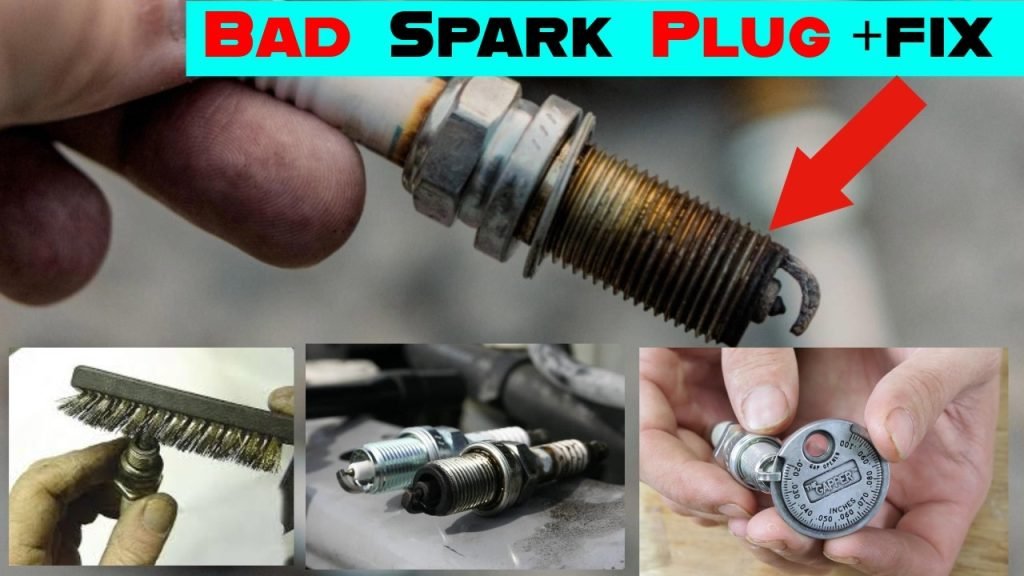
Start by removing the spark plugs and examining them closely. Look for signs like carbon buildup, oil deposits, or burnt electrodes. These clues often indicate faulty spark plugs that need replacement.
Check the gap between the electrodes with a feeler gauge. A gap that’s too wide or too narrow can cause misfires. Also, inspect for cracks or damage to the ceramic insulator, which can lead to weak sparks.
Have you ever noticed black soot on your plugs? That usually means the engine is running too rich, which can be caused by bad plugs or other issues. Keep a clean and consistent appearance in mind as the benchmark.
Using Diagnostic Tools
Modern cars often come with onboard diagnostics that can help identify spark plug problems. A simple OBD-II scanner can reveal trouble codes related to misfires, pinpointing the cylinder that’s struggling.
Consider using a multimeter to test the resistance of your spark plugs. High resistance often signals internal damage. This quick test can save you from replacing plugs that are still good.
Oscilloscopes and spark testers offer a more advanced way to check the spark quality. If you don’t have access to these tools, many auto shops provide testing services. Have you tried a spark tester before? It’s a fast way to see if your plugs are firing correctly.
Fixing Spark Plug Misfires
Spark plug misfires can cause rough engine performance and lower fuel efficiency. Fixing these misfires improves engine smoothness and power. Proper care of spark plugs helps maintain your vehicle’s health and saves money on repairs. Understanding whether to clean or replace spark plugs is key to effective maintenance.
Cleaning Vs Replacing
Cleaning spark plugs removes carbon buildup and dirt. It can restore spark efficiency temporarily. Use a wire brush or spark plug cleaner for best results. Check the electrode and insulator for damage after cleaning.
Replacing spark plugs is necessary if they are worn or cracked. New spark plugs provide better ignition and fuel combustion. Always replace spark plugs in sets to keep engine balance. Clean plugs work well short-term, but replacement lasts longer.
Choosing The Right Spark Plugs
Select spark plugs based on your vehicle’s make and model. Use the owner’s manual or manufacturer recommendations. Consider heat range, thread size, and gap size for proper fit.
Types of spark plugs include copper, platinum, and iridium. Copper plugs are cheaper but wear faster. Platinum and iridium plugs last longer and offer better performance. Choose plugs that match your driving needs and budget.
Credit: www.odyclub.com
Preventing Future Misfires
Preventing future misfires starts with understanding the root causes and taking proactive steps to keep your engine running smoothly. Misfires can damage your vehicle over time, leading to costly repairs and frustrating breakdowns. The good news is, simple habits and regular care can make a big difference in avoiding these issues.
Regular Maintenance Schedule
Keeping up with your vehicle’s maintenance schedule is one of the most effective ways to prevent misfires. Spark plugs wear out over time and need replacement based on your car’s manual recommendations. Ignoring this can lead to poor engine performance and misfires.
Besides spark plugs, regularly checking ignition coils, fuel injectors, and air filters helps maintain efficient combustion. Have you ever noticed your engine hesitating or losing power? That’s often a sign that maintenance is overdue.
Scheduling tune-ups every 30,000 miles or as advised can save you money in the long run. A quick tip: ask your mechanic to inspect spark plugs during oil changes to catch issues early.
Driving Habits That Help
Your driving style directly impacts your engine’s health and the likelihood of misfires. Avoiding aggressive acceleration and sudden stops reduces stress on spark plugs and ignition components. Smooth, steady driving helps your engine burn fuel more evenly.
Cold starts are tough on spark plugs. Warming up your engine gently, especially in cold weather, can extend their life and prevent misfires. Do you find yourself racing off right after starting your car? Try giving your engine a few seconds before hitting the gas.
Fuel quality also plays a role. Using the recommended fuel grade for your vehicle prevents deposits that can foul spark plugs. Have you checked if your gas station offers the right fuel type for your car?
Frequently Asked Questions
Can Bad Spark Plugs Cause Engine Misfire?
Yes, bad spark plugs can cause engine misfire by failing to ignite the air-fuel mixture. This disrupts combustion and leads to rough engine performance, reduced power, and increased emissions.
How Do Bad Spark Plugs Affect Car Performance?
Bad spark plugs reduce engine efficiency, causing poor acceleration, rough idling, and decreased fuel economy. They can also cause difficulty starting the engine and increase emissions.
What Are Common Symptoms Of Spark Plug Misfire?
Common symptoms include rough idling, engine hesitation, reduced power, poor fuel economy, and the check engine light turning on. These signs indicate the spark plugs may need inspection or replacement.
How Often Should Spark Plugs Be Replaced?
Spark plugs should typically be replaced every 30,000 to 100,000 miles, depending on the type and manufacturer recommendations. Regular checks help prevent misfires and maintain engine performance.
Conclusion
Bad spark plugs often cause engine misfires and poor performance. They struggle to create the spark needed for smooth running. This can lead to rough idling, lower fuel efficiency, and increased emissions. Regular checks and timely replacements keep your engine healthy.
Don’t ignore signs like engine hesitation or a drop in power. Taking care of spark plugs saves money and avoids bigger problems later. Simple maintenance helps your vehicle run better and longer. Keep an eye on spark plugs for a smoother ride.





