Have you ever wondered if something as small as a spark plug could actually break a window? It sounds surprising, right?
But understanding this can help you stay safe and protect your property. You’ll discover the truth behind this question and learn what really happens when a spark plug comes into contact with glass. Keep reading—what you find out might just change how you think about everyday objects around you.
Spark Plug Basics
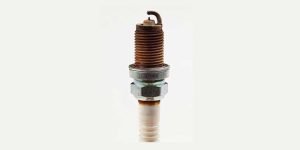
Spark plugs play a vital role in car engines. They create the spark needed to ignite the fuel-air mixture. Understanding their basics helps us grasp their strength and limits. This knowledge is key to exploring if a spark plug can break a window.
What Is A Spark Plug
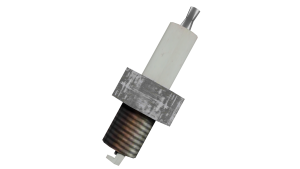
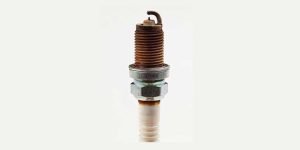
A spark plug is a small device fitted in engines. It produces a spark that ignites fuel inside the engine cylinders. This ignition powers the engine and keeps the vehicle moving. Spark plugs are essential for starting the engine and maintaining its performance.
Materials Used In Spark Plugs
Spark plugs are made from strong, durable materials. The core usually has a copper or nickel alloy. The electrodes are often made of platinum or iridium. These metals resist heat and corrosion, ensuring long life. The outer shell is steel, covered with ceramic for insulation.
How Spark Plugs Work
Spark plugs work by sending an electric spark across a small gap. This spark ignites the fuel and air inside the engine. The process repeats thousands of times per minute. This rapid sparking creates controlled explosions that power the engine. The spark plug must be precise and reliable to work well.

Credit: www.silveradosierra.com
Window Types And Strength
Windows come in many types, each with different strength levels. Understanding these types helps to know if a spark plug can break a window. The material and treatment of glass affect its resistance to impacts. Some windows shatter easily, while others resist force better.
Common Window Materials
Most windows use glass, but not all glass is the same. Common types include:
- Annealed glass – standard glass, breaks easily into sharp pieces.
- Laminated glass – has a plastic layer, holds together when broken.
- Tempered glass – heat-treated for strength and safety.
Each material offers different protection levels against impact.
Tempered Vs. Regular Glass
Tempered glass is stronger than regular annealed glass. It resists impacts better and breaks into small, less dangerous pieces. Regular glass breaks into large, sharp shards. Tempered glass is common in car windows and modern buildings. It reduces injury risk and damage from impacts.
Factors Affecting Glass Durability
Several factors change how strong a window is:
- Thickness – thicker glass is harder to break.
- Glass type – tempered glass is more durable than regular glass.
- Frame support – a strong frame holds glass better during impact.
- Age and condition – old or damaged glass breaks more easily.
Understanding these factors helps assess if a spark plug can break a window.
Impact Force Of A Spark Plug
The impact force of a spark plug plays a crucial role in determining whether it can break a window. Understanding this force involves looking at the spark plug’s weight, size, and the speed at which it hits the glass. These factors combine to create the energy delivered upon impact, which ultimately decides the damage potential.
Weight And Size Considerations
Spark plugs are relatively small and lightweight, typically weighing between 50 to 100 grams. Their compact size means they have less mass to generate a strong impact force compared to larger objects.
However, the shape and material of the spark plug can influence how the force is distributed on the glass surface. A sharp or pointed end concentrates force on a smaller area, increasing the chance of cracking the window.
Velocity And Impact Energy
The speed at which a spark plug hits a window greatly affects its impact energy. Even a light object can cause damage if thrown fast enough.
Impact energy can be roughly calculated using the formula Energy = ½ × mass × velocity². This means velocity has a bigger effect than mass, as energy increases with the square of velocity.
Imagine throwing a spark plug with enough speed—could it generate enough energy to break a car window? The answer depends on how fast you can realistically throw it and the strength of the glass.
Comparing To Other Objects
Comparing a spark plug to common objects like a baseball or a rock helps put its impact force in perspective. A baseball weighs about 145 grams, heavier than a spark plug, and is designed to be thrown at high speeds.
Because of this, a baseball typically carries more impact energy, making it more likely to break glass. Yet, a small rock, despite similar weight, has a more irregular shape that can focus impact force more effectively.
So, while a spark plug might seem harmless due to its size, its impact force is not negligible—especially if it hits a window at high velocity and at a vulnerable spot. Have you ever considered how everyday objects could become potential tools for breaking glass?

Credit: www.reddit.com
Can A Spark Plug Break Glass?
Spark plugs are small but tough parts of an engine. They create sparks to ignite fuel. Can a spark plug break glass? This question often comes up, especially after seeing broken windows near engines or garages. Understanding how spark plugs interact with glass helps clear up the mystery.
Real-life Incidents And Reports
There are some reports of spark plugs causing glass to break. Mostly, these happen in car repair shops or garages. A spark plug might hit a window accidentally during repairs. In some cases, broken glass was found after a spark plug fell. But these incidents are rare and often involve force, not just the spark plug’s spark.
Laboratory Tests And Experiments
Scientists tested if spark plugs can break glass under controlled conditions. They dropped spark plugs on glass panels from different heights. Usually, the glass did not break unless dropped from a high height. Sparks alone did not cause any damage to glass. Tests show that physical impact, not heat or spark, is the main cause of breakage.
Conditions That May Cause Breakage
Several factors affect whether a spark plug can break glass:
- Force of impact:A hard hit is more likely to break glass.
- Type of glass:Tempered glass resists breaking better than regular glass.
- Glass condition:Old or damaged glass breaks more easily.
- Height of fall:Higher drops cause stronger impacts.
- Shape and weight of spark plug:Sharp edges increase break risk.
Glass will not break from a spark or heat alone. Physical impact is key.
Safety Tips Around Spark Plugs
Working with spark plugs might seem straightforward, but safety should never take a backseat. These small components can cause unexpected accidents if not handled carefully. Understanding how to protect yourself and your surroundings, especially fragile items like windows, is essential.
Handling Spark Plugs Properly
Always hold spark plugs by the insulated part to avoid electric shocks. Use a spark plug socket wrench for removal and installation to get a firm grip without slipping. Dropping a spark plug can damage it, and a cracked plug might not perform well or could even shatter unexpectedly.
I once dropped a spark plug while working in my garage. It cracked silently but later caused a misfire, reminding me how fragile these parts are. Treat spark plugs gently to keep both yourself and your engine safe.
Preventing Accidental Damage
Keep your workspace organized to avoid knocking spark plugs against hard surfaces. If you’re working near windows or glass, clear the area of any loose tools or parts that could fall and break the glass. Use a cloth or rubber mat as a soft landing spot when placing spark plugs down.
Have you ever seen a spark plug slip from your hand and hit the floor? It’s a quick way to cause damage—not only to the plug but potentially to nearby surfaces. Small precautions like these save you from costly repairs and injuries.
Protecting Windows And Glass Surfaces
Windows are vulnerable to breakage from sharp or heavy objects like spark plugs. Keep a safe distance between your work area and any glass surfaces. If you must work close to a window, lay down protective coverings like thick blankets or foam pads to absorb any accidental impacts.
Think about how easy it is for a small object to shatter glass. Have you prepared your workspace to minimize this risk? Taking a moment to shield your windows can prevent an unexpected accident that’s both dangerous and expensive to fix.
Myths And Facts About Spark Plugs
Spark plugs are small but essential components in your vehicle’s engine, sparking the combustion that powers your car. Despite their size, spark plugs have sparked some curious myths, especially about their ability to break windows. Understanding the truth behind these myths helps you see spark plugs for what they really are—tools designed for ignition, not destruction.
Common Misconceptions
One popular myth is that a spark plug can easily break a car window if thrown against it. This idea might come from the fact that spark plugs are made of metal and ceramic, which can be hard materials. However, most car windows are made of tempered glass, designed to resist impact and shatter safely into small pieces rather than break from a single small object.
Another misconception is that spark plugs can cause significant damage if they explode or malfunction inside the engine. While a faulty spark plug can cause engine problems, it won’t cause any external damage like breaking windows or causing explosions outside the engine block.
Separating Fact From Fiction
Have you ever dropped a spark plug? You might notice it chips or cracks if it falls on a hard surface. This shows how delicate the ceramic part is compared to the tough tempered glass of car windows. The glass is designed to handle impacts from larger objects, like stones kicked up while driving, not small items like spark plugs.
So, can a spark plug break a window? Practically speaking, it’s very unlikely. The force generated by a thrown spark plug is usually not enough to break tempered glass. If you want to test this idea safely, observe how hard objects must be to break different types of glass—your spark plug won’t make the cut.
Next time you hear someone say a spark plug can shatter a window, ask yourself: does this claim match what you’ve seen or experienced? Understanding these facts helps you avoid unnecessary worries and focus on maintaining your vehicle correctly.

Credit: www.youtube.com
Frequently Asked Questions
Can A Spark Plug Physically Break A Window?
Yes, a spark plug can break a window if thrown with enough force. Its hard ceramic and metal parts can shatter glass on impact.
How Strong Is A Spark Plug Compared To Glass?
A spark plug is dense and rigid, but glass strength varies. Tempered glass resists impacts better, but a sharp hit can still break it.
What Type Of Glass Is Most Vulnerable To Spark Plugs?
Single-pane and non-tempered glass are most vulnerable. They can easily shatter from a hard object like a spark plug.
Can A Spark Plug Damage Car Windows?
Yes, a spark plug can crack or break car windows if thrown forcefully. Car windows are usually tempered but not bulletproof.
Conclusion
Understanding if a spark plug can break a window is crucial. A spark plug’s ceramic can indeed shatter glass. This happens because ceramic is hard and dense. It focuses impact on a small point, causing breakage. This knowledge can be useful, but handle with care.
Breaking windows can lead to legal trouble. Always consider safety and legality. Use this information wisely and responsibly. Remember, it’s not just about science. It’s also about making informed decisions. Stay curious and keep learning.