You’re cruising down the road, your favorite song playing, when suddenly, your car starts to shudder. The engine stutters, and you can’t help but wonder what’s wrong.
Could it be something as simple as a spark plug causing this headache? If you’re curious about how a seemingly small component could lead to a misfire, you’re not alone. By the end of this article, you’ll understand exactly how a bad spark plug can disrupt your smooth driving experience and what you can do about it.
Stick around, because this could save you from an unexpected trip to the mechanic and keep your engine running smoothly.
How Spark Plugs Work
Spark plugs play a key role in your car’s engine. They create the spark that ignites the fuel and air mix inside the engine cylinders. This spark starts the combustion process, which powers the engine. Without spark plugs, the engine cannot run properly or may not start at all.
Understanding how spark plugs work helps explain why a bad spark plug can cause engine misfires. Misfires happen when the spark does not ignite the fuel correctly or at the right time. This can lead to rough running, poor fuel economy, and increased emissions.
Role In Engine Combustion
Spark plugs deliver a strong electric spark inside the engine cylinder. This spark ignites the compressed air and fuel mixture. The combustion pushes the piston down, producing power to move the vehicle.
The spark must be timed perfectly for efficient combustion. A weak or inconsistent spark causes incomplete burning of fuel. This leads to engine misfires, loss of power, and higher fuel use.
Types Of Spark Plugs
Spark plugs come in different types based on materials and design. Common types include:
- Copper: Good conductor but wears out faster.
- Platinum: Lasts longer and resists fouling.
- Iridium: Offers the best durability and performance.
Choosing the right spark plug type affects engine performance and spark quality. Worn or wrong spark plugs can cause weak sparks and misfires.

Credit: www.subaruoutback.org
Signs Of A Bad Spark Plug
Recognizing the signs of a bad spark plug can save you from costly repairs and frustrating breakdowns. Spark plugs play a crucial role in igniting the fuel-air mixture in your engine, and when they fail, your vehicle’s performance takes a hit. Knowing what to look for helps you address issues early and keep your engine running smoothly.
Engine Misfire Symptoms
A bad spark plug often causes your engine to misfire. You might notice a sudden jerking or hesitation when accelerating, or the engine could feel rough and uneven while idling.
Sometimes, the check engine light will flicker on, signaling trouble. Have you ever felt your car stumble unexpectedly? That’s a clear hint your spark plugs might be struggling to do their job.
Impact On Fuel Efficiency
When spark plugs don’t fire properly, your engine burns fuel less efficiently. This leads to higher fuel consumption and more frequent visits to the gas station.
You might not realize it at first, but a drop in miles per gallon is a subtle sign your spark plugs need attention. Think about the last time your fuel costs spiked without a clear reason—could this be why?
Starting Issues
Struggling to start your car can point to worn-out spark plugs. If the engine cranks longer than usual or fails to start, the spark plugs might not be producing the spark needed to ignite the fuel.
Pay attention to how your vehicle behaves in the morning or after long periods of inactivity. If starting feels tougher than it should, inspecting the spark plugs could save you time and stress.
Causes Of Spark Plug Failure
Spark plugs play a crucial role in keeping your engine running smoothly. But what happens when they fail? Understanding the causes of spark plug failure can help you avoid engine misfires and keep your vehicle in top shape.
Wear And Tear
Over time, spark plugs naturally wear out due to constant exposure to high voltage and heat. The electrodes gradually erode, increasing the gap and reducing the spark’s effectiveness. Have you noticed your engine hesitating or starting slower? It might be time to check for worn spark plugs.
Carbon Buildup
Carbon deposits can accumulate on spark plugs from incomplete fuel combustion. This buildup can insulate the electrode, preventing a strong spark and causing misfires. If your engine feels rough or less responsive, carbon fouling might be the culprit. Regular maintenance and using quality fuel can help reduce this issue.
Overheating Effects
Excessive heat can damage spark plugs by causing the electrodes to melt or the ceramic insulator to crack. Overheating often results from incorrect spark plug heat range or engine problems like a lean fuel mixture. If your spark plugs look blistered or discolored, overheating could be behind your misfires.
How Bad Spark Plugs Trigger Misfires
Bad spark plugs can cause engine misfires by disrupting the normal ignition process. When a spark plug wears out or gets dirty, it struggles to ignite the fuel-air mixture properly. This leads to poor engine performance and can trigger misfires. Understanding how bad spark plugs cause these issues helps in diagnosing and fixing the problem early.
Incomplete Combustion
Bad spark plugs fail to create a strong spark. Without a strong spark, fuel does not burn completely inside the cylinder. This incomplete combustion results in wasted fuel and less power from the engine. It also causes rough idling and increased emissions. The engine feels sluggish and may stall in some cases.
Ignition Timing Problems
Worn spark plugs can affect the timing of the spark. The spark may fire too early or too late. Incorrect ignition timing disrupts the engine’s rhythm and causes misfires. This timing issue leads to poor fuel efficiency and engine knocking. Proper spark plug function is essential for precise ignition timing and smooth engine operation.
Diagnosing Misfire Issues
Diagnosing misfire issues can feel like solving a tricky puzzle. A misfire doesn’t always scream “spark plug problem,” but bad spark plugs are often the hidden culprit. Knowing how to check for misfires helps you fix the issue faster and avoid unnecessary repairs.
Using An Obd-ii Scanner
An OBD-II scanner is your best friend when diagnosing misfires. It plugs into your car’s diagnostic port and reads error codes from the engine control unit.
These codes often point directly to the cylinder causing trouble. If the code references ignition problems, the spark plugs might be the source.
Have you checked your car’s codes lately? It’s a simple step that can save you hours of guesswork.
Visual Inspection Tips
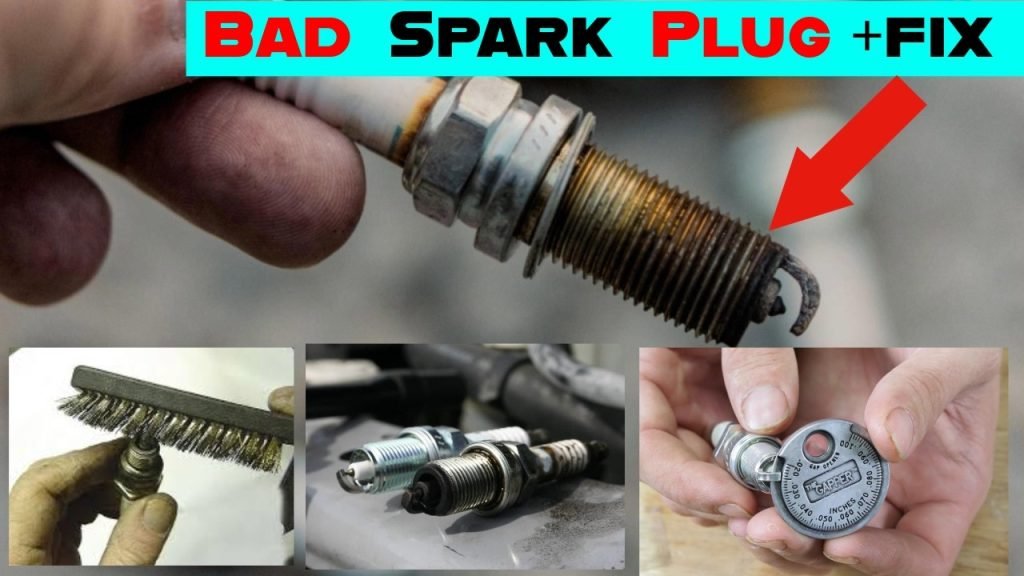
Look closely at each spark plug to catch signs of wear or damage. Check for cracks, carbon buildup, or oil fouling on the electrode and insulator.
Even small cracks or heavy deposits can disrupt the spark and cause misfires. Compare your plugs side-by-side to spot inconsistencies.
Remember, a spark plug that looks fine on the outside might still be faulty, but a visual check is a quick and easy place to start.
Testing Spark Plug Performance
Testing spark plug performance involves checking if the plug produces a strong, consistent spark. You can use a spark tester tool designed for this purpose.
Hold the tester near the spark plug wire while the engine runs and watch for a bright blue spark. A weak or erratic spark indicates a problem.
Have you ever noticed how a car runs smoother after replacing old spark plugs? That’s the power of a properly firing spark plug.
Credit: www.odyclub.com
Fixing Spark Plug Problems
Fixing spark plug problems is crucial to stop engine misfires and keep your vehicle running smoothly. Spark plugs ignite the fuel-air mix inside the engine. When they fail, the engine may misfire, lose power, or run rough. Addressing these issues quickly helps prevent bigger repairs and improves fuel efficiency.
Cleaning spark plugs may work if the deposits are light. But deep wear or damage requires replacement. Knowing when to clean or replace saves time and money.
Cleaning Vs Replacing
Cleaning spark plugs removes carbon buildup and light deposits. Use a wire brush or spark plug cleaner tool. Make sure to check the gap after cleaning. Cleaning works best for minor fouling.
Replace spark plugs if they are cracked, worn, or heavily fouled. Old plugs cause weak sparks and misfires. New plugs restore proper ignition and engine performance.
Choosing The Right Spark Plug
Select plugs that match your vehicle’s make and engine type. Check the owner’s manual or manufacturer’s guide. Consider heat range, thread size, and gap size. Using the correct plug ensures optimal engine function.
Iridium and platinum plugs last longer than copper ones. They provide better durability and smoother performance. Match plug type to your driving needs and budget.
Proper Installation Techniques
- Clean the spark plug hole before installing.
- Check and set the spark plug gap correctly.
- Thread the plug in by hand to avoid cross-threading.
- Tighten the plug with a torque wrench to the recommended setting.
- Attach the spark plug wire or coil securely.
Proper installation prevents damage and ensures a strong spark. It reduces the chance of misfires and engine issues.
Preventing Future Misfires
Preventing future misfires is key to keeping your engine healthy and running smoothly. Misfires can damage other parts and lower fuel efficiency. Taking simple steps can avoid costly repairs and keep your vehicle reliable.
Regular Maintenance Schedule
Stick to your car’s maintenance schedule. Change spark plugs as the manufacturer advises. Check ignition coils and wires regularly. Clean or replace air filters to keep airflow steady. These habits help prevent misfires before they start.
Using Quality Fuel
Choose good quality fuel to protect your engine. Cheap or contaminated fuel can cause deposits on spark plugs. These deposits lead to misfires and poor engine performance. Use fuel from trusted stations and avoid fillers that harm your vehicle.
Monitoring Engine Performance
Watch for signs of misfires like rough idling or loss of power. Use an OBD-II scanner to check for error codes. Address issues early to avoid bigger problems. Regular checks keep your engine running at its best.

Credit: www.reddit.com
Frequently Asked Questions
Can A Bad Spark Plug Cause Engine Misfire?
Yes, a bad spark plug can cause engine misfire. It disrupts the ignition process, leading to incomplete fuel combustion and rough engine performance.
How Does A Faulty Spark Plug Affect Car Performance?
A faulty spark plug reduces engine power and fuel efficiency. It causes hesitation, rough idling, and increases emissions due to poor combustion.
What Are Common Signs Of Spark Plug Misfire?
Common signs include engine hesitation, rough idle, poor acceleration, and increased fuel consumption. A check engine light may also illuminate.
Can Replacing Spark Plugs Fix Misfire Issues?
Replacing worn or damaged spark plugs often resolves misfire problems. It restores proper ignition and improves engine smoothness and fuel economy.
Conclusion
A bad spark plug can cause your engine to misfire. This leads to rough idling and poor fuel economy. Replacing worn spark plugs helps your car run smoothly. Regular checks keep your engine in good shape. Don’t ignore signs like hesitation or stalling.
Fixing spark plugs saves money on bigger repairs later. Keep your vehicle reliable with simple maintenance steps. A healthy spark plug means better performance every time you drive.





