Have you ever turned the key in your car’s ignition only to be met with silence? It’s frustrating, isn’t it?
You might be wondering if something as small as a spark plug could be the culprit. Well, you’re not alone. Many drivers overlook this tiny component, yet it’s crucial for starting your engine. We’ll uncover how a bad spark plug can leave your car motionless and how you can quickly diagnose and fix the problem.
By the end, you’ll have the knowledge to ensure your car starts smoothly every time. Curious to learn more? Let’s dive in.

Credit: craigscarcare.com
Role Of Spark Plugs
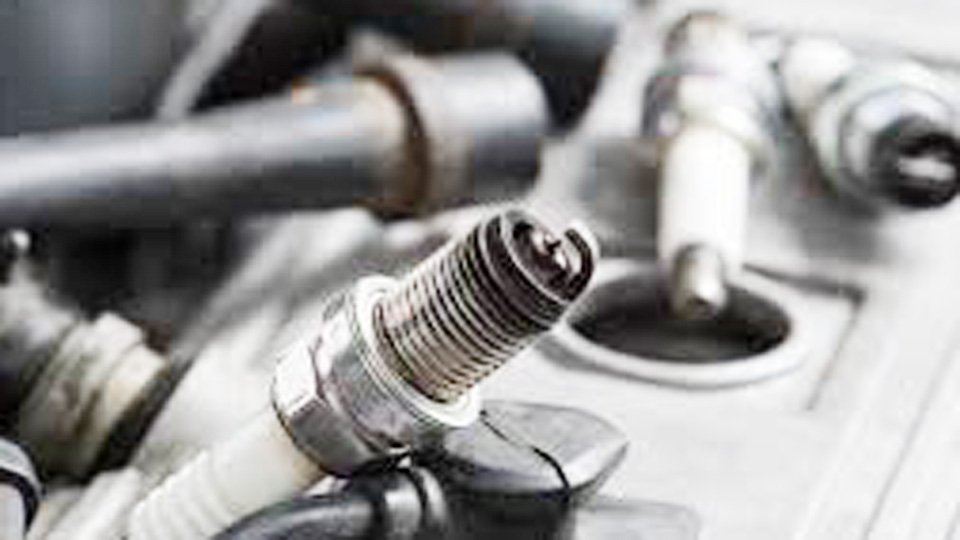
Spark plugs play a crucial role in your car’s ability to start and run smoothly. They ignite the air-fuel mixture inside the engine, which powers your vehicle. Without properly functioning spark plugs, your engine struggles to perform, and sometimes, it won’t start at all.
How Spark Plugs Work
Spark plugs generate a small electric spark that ignites the fuel inside the engine cylinders. This ignition creates the explosion needed to move the pistons, which ultimately powers your car.
Each cylinder in your engine has its own spark plug. When you turn the key, the ignition system sends electricity to the spark plugs in a precise order. This timing is essential for smooth engine operation.
Impact On Engine Performance
Worn or faulty spark plugs can cause misfires, making your engine run rough or hesitate when you accelerate. You might notice lower fuel efficiency or difficulty starting your car, especially in cold weather.
Have you ever experienced your car struggling to start on a chilly morning? That could be a sign your spark plugs need attention. Replacing bad spark plugs often restores smooth starts and improves overall engine performance.
Credit: www.youtube.com
Symptoms Of Faulty Spark Plugs
Faulty spark plugs cause noticeable changes in your car’s performance. Recognizing these symptoms helps you avoid bigger problems. A bad spark plug affects ignition and engine function. This leads to several issues that signal the need for inspection or replacement.
Engine Misfires
Engine misfires happen when spark plugs fail to ignite the fuel properly. The engine may run rough or shake during acceleration. You might hear popping or sputtering sounds. Misfires reduce engine power and cause uneven running.
Difficulty Starting
Bad spark plugs make it hard to start your car. The engine may crank longer than usual without firing. Sometimes the car won’t start at all. Weak sparks delay ignition, leading to slow or failed starts.
Poor Fuel Economy
Faulty spark plugs lower fuel efficiency significantly. Incomplete combustion wastes gasoline inside the engine. You will notice more frequent trips to the gas station. Poor mileage is a clear sign of spark plug issues.
How Bad Spark Plugs Prevent Starting
Understanding how bad spark plugs prevent your car from starting can save you time and frustration. Spark plugs play a crucial role in igniting the fuel-air mixture inside the engine. When they fail, your engine struggles to come alive, leaving you stranded or facing repeated crank attempts.
Ignition Failure
Bad spark plugs often fail to produce the strong spark needed to ignite the fuel-air mix. This ignition failure means the engine can’t start because combustion never begins. You might notice your engine cranking longer than usual or not firing up at all.
Have you ever turned your key multiple times, only to hear a weak or no engine response? That’s a classic sign of ignition issues caused by worn or fouled spark plugs. Replacing them often restores that instant start you expect.
Incomplete Combustion
Even if the spark plug fires, a weak or inconsistent spark leads to incomplete combustion. This causes poor engine performance, rough idling, and difficulty starting. Your car might feel sluggish or stall shortly after starting.
Think about driving a car that hesitates or stumbles at stoplights—this can trace back to bad spark plugs not burning fuel properly. Fixing or replacing them ensures your engine runs cleanly and starts smoothly every time.
Diagnosing Spark Plug Problems
Diagnosing spark plug problems is key when your car refuses to start. Spark plugs ignite the air-fuel mixture in the engine, so any issue here can stop your vehicle from turning over. Knowing how to check your spark plugs can save you time and money before heading to a mechanic.
Visual Inspection
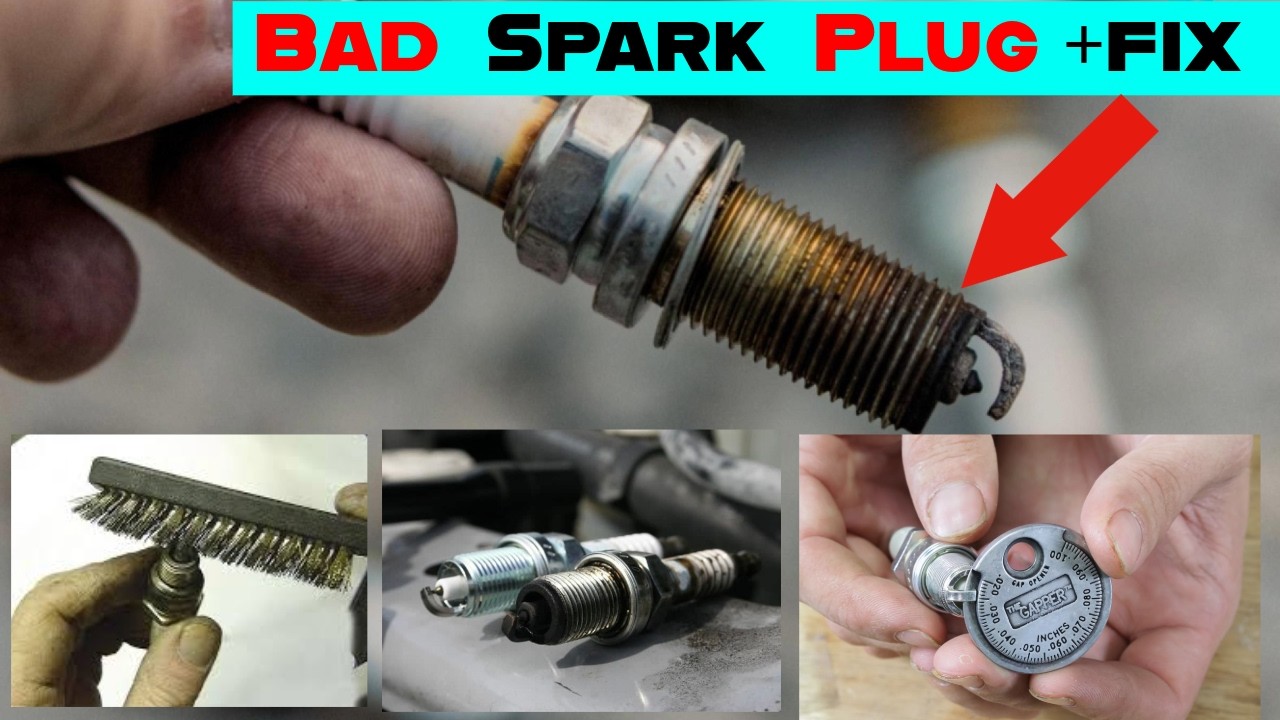
Start by removing the spark plugs and giving them a close look. Check for signs like black soot, oily deposits, or cracks on the ceramic insulator. These often indicate fouling or damage that affects performance.
Look at the electrode at the tip; if it’s worn down or rounded instead of sharp, the spark plug might not fire correctly. Also, compare the color of the spark plug to a healthy one—normally, it should be light tan or gray. A white or blistered appearance can signal overheating issues.
Have you ever noticed your car sputtering before it died? That’s often a clue that a visual check might reveal worn or dirty spark plugs causing misfires.
Using Diagnostic Tools
Visual checks are helpful, but some problems need tools to detect. A multimeter can test the spark plug’s resistance to see if it’s within the proper range. High resistance means the plug is failing to conduct electricity efficiently.
Another useful tool is a spark tester, which lets you see if the plug is actually producing a spark under engine conditions. This can pinpoint whether the issue lies with the plug or elsewhere in the ignition system.
For modern cars, an OBD-II scanner can reveal misfire codes linked to spark plug performance. This data helps you focus on specific cylinders and avoid replacing all plugs blindly.
Have you tried testing your spark plugs with these tools before? They give clear answers that save you guessing and unnecessary parts costs.
Other Causes Of No-start Issues
When your car refuses to start, it’s easy to blame a bad spark plug. But there are several other reasons why your vehicle might not turn over. Understanding these can save you time and money and help you pinpoint the real cause faster.
Battery And Starter Problems
Your car’s battery and starter motor play crucial roles in starting the engine. A dead or weak battery often causes no-start issues, especially if you notice dim lights or slow dashboard responses. Sometimes, the starter motor itself can fail, making a clicking noise or no sound at all when you turn the key.
Have you ever tried jump-starting your car only to find it still won’t start? That’s a clear sign the problem might be the starter rather than the battery. Checking the battery voltage and starter connections can often reveal the issue quickly.
Fuel System Issues
The engine needs a steady supply of fuel to start and run smoothly. Problems like a clogged fuel filter, a failing fuel pump, or empty fuel tank can prevent your car from starting. If you hear the fuel pump humming when you turn the key, but the engine still won’t start, the fuel delivery might be the culprit.
Sometimes, using the wrong fuel or contaminated gas can cause starting problems. Have you ever noticed your car sputtering or hesitating before it finally starts? That could be due to fuel system issues that need attention.
Ignition System Failures
The ignition system includes more than just spark plugs; it also involves ignition coils, wires, and the ignition switch. A failure in any of these parts can stop your engine from firing up. For example, a faulty ignition coil can prevent spark plugs from igniting the fuel-air mixture.
Sometimes, the ignition switch itself can wear out, cutting power to the engine. If your dashboard lights don’t come on when you turn the key, this might be the problem. Have you checked the ignition components when your car won’t start? It’s worth a closer look to avoid unnecessary part replacements.

Credit: www.reddit.com
Fixing Spark Plug Related Problems
Fixing spark plug related problems is essential for a car to start smoothly. Spark plugs ignite the fuel-air mix in the engine. Dirt, damage, or wear can stop them from working right. Regular care keeps your engine running well and avoids starting issues.
Cleaning And Replacement
Dirty spark plugs can cause misfires and starting problems. Cleaning removes carbon buildup and debris. Use a wire brush or spark plug cleaner for this job. Check the gap between the electrodes with a feeler gauge. Adjust if needed to match the car’s specifications.
Replace spark plugs if cleaning does not help. Old plugs wear down and lose efficiency. Signs of wear include a cracked insulator or worn electrodes. New spark plugs improve fuel efficiency and engine power. Always replace plugs in sets for best results.
Choosing The Right Spark Plugs
Select spark plugs that fit your car’s engine type. Check the owner’s manual for recommended plug size and heat range. Using the wrong plugs can cause poor performance or damage. Consider plug material like copper, platinum, or iridium. Each type offers different lifespan and performance benefits.
Consult an expert if unsure about the right spark plugs. Proper choice ensures better engine starting and smooth running. Quality spark plugs reduce emissions and improve fuel economy. Choose trusted brands for reliability and durability.
Preventive Maintenance Tips
Preventive maintenance plays a key role in keeping your car running smoothly. Taking care of spark plugs helps avoid starting problems and engine issues. Regular checks and recognizing early signs can save time and money. Simple steps protect your vehicle’s performance and reliability.
Regular Inspection Schedule
Check spark plugs every 30,000 miles or as your car manual suggests. Inspect more often if driving in tough conditions like dirt roads or heavy traffic. Use a clean, dry cloth to wipe plugs and look for wear or damage. Replace plugs showing cracks, heavy deposits, or erosion. Keep a maintenance log to track inspections and replacements.
Signs To Watch For
- Engine misfires or rough idling
- Difficulty starting the car
- Poor fuel efficiency
- Reduced acceleration power
- Unusual engine noises
Spotting these signs early helps prevent bigger problems. Address spark plug issues before they stop your car from starting. Regular checks ensure smooth ignition and engine health.
Frequently Asked Questions
Can A Bad Spark Plug Prevent My Car From Starting?
Yes, a bad spark plug can stop your car from starting. It fails to ignite the fuel-air mix in the engine, causing a no-start condition.
How To Identify A Faulty Spark Plug Quickly?
Look for rough idling, engine misfires, and poor acceleration. These signs often indicate spark plug issues that affect engine performance.
Can Replacing Spark Plugs Fix Starting Problems?
Replacing worn or damaged spark plugs can restore proper ignition. This often resolves starting difficulties and improves overall engine efficiency.
How Often Should Spark Plugs Be Checked Or Replaced?
Check spark plugs every 30,000 miles or as recommended by your car’s manual. Timely replacement prevents engine starting issues.
Conclusion
A bad spark plug can stop your car from starting. It affects the engine’s ability to ignite fuel. Replacing worn spark plugs often solves the problem. Regular checks keep your car running smoothly. Don’t ignore strange engine sounds or trouble starting.
Fixing spark plugs is simple and saves money. Keep your vehicle reliable by paying attention to spark plugs. A small issue can cause big problems if left alone. Stay safe and avoid unexpected breakdowns with timely maintenance.





