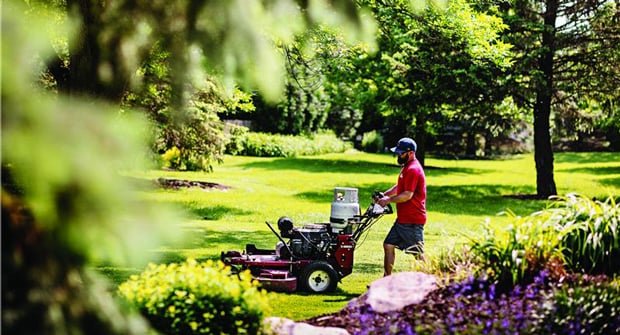
Are you ready to make your lawn care routine kinder to the planet and easier on your wallet? Eco mowing is more than just a trend—it’s a smart way to keep your grass healthy while saving energy and protecting the environment.
You’ll discover simple, effective best practices that anyone can follow. Whether you’re a seasoned gardener or just starting out, these tips will help you mow smarter, not harder. Keep reading to transform your lawn care into a greener, cleaner habit you’ll feel great about every time you step outside.
Credit: www.motherearthnews.com
Eco Mowing Essentials
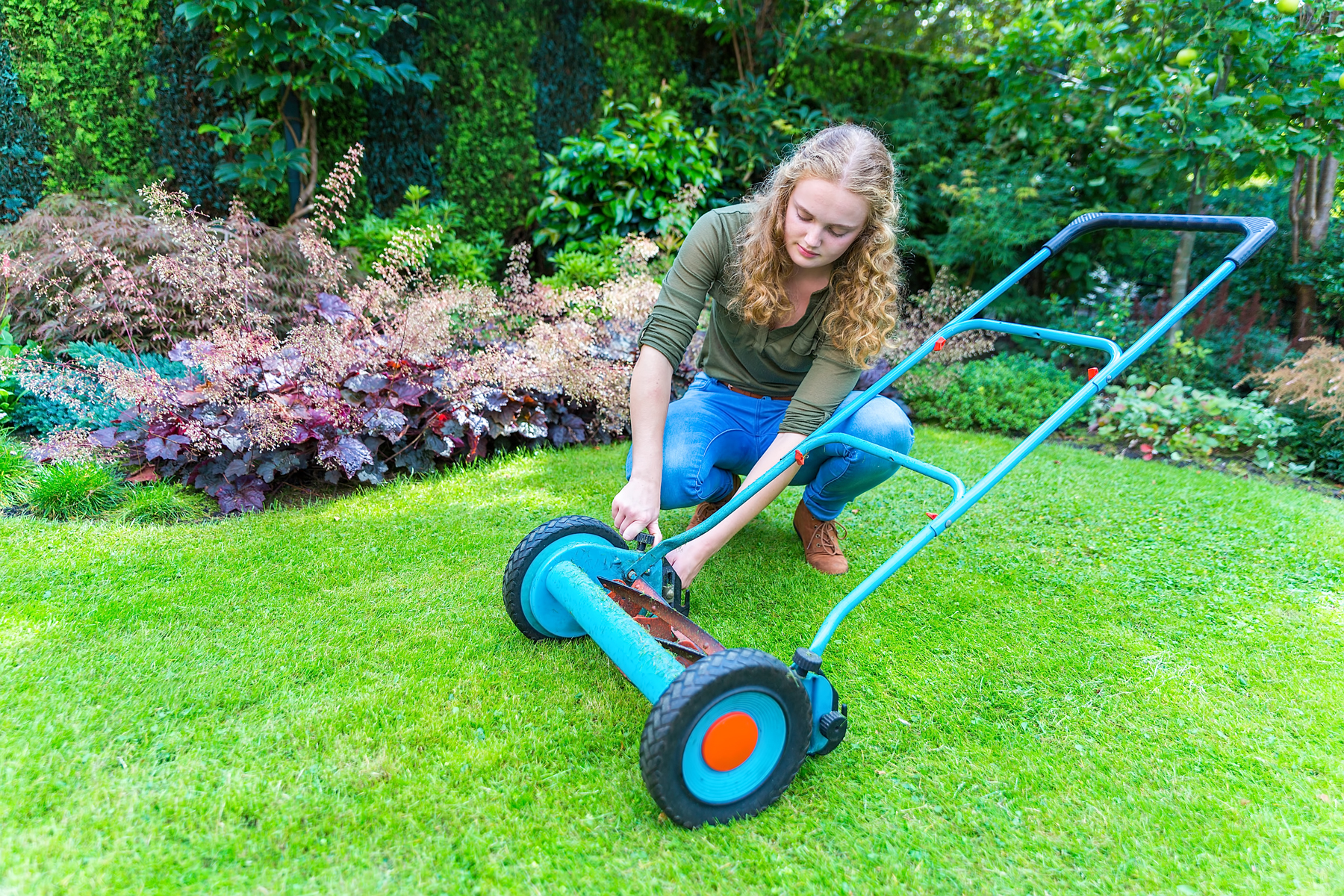
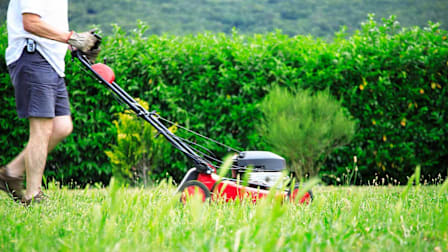
Choosing the right mower helps protect the environment and your lawn. Electric or battery-powered mowers create less noise and no pollution. Manual reel mowers use no fuel and are very eco-friendly. Gas mowers release harmful gases and should be avoided if possible. Consider mower size based on your lawn area to save energy and time.
| Optimal Mowing Height | Benefits |
|---|---|
| 2.5 to 3 inches | Keeps grass healthy and strong |
| Above 3 inches | Helps retain moisture and shade roots |
| Below 2 inches | Can cause stress and weak roots |
- Mow often enough to never remove more than one-third of grass height.
- Cutting too short or too infrequently harms the lawn.
- Leave clippings on the lawn to return nutrients to the soil.
- Early morning is the best time to mow for less stress on grass.
Credit: www.consumerreports.org
Sustainable Lawn Care
Choosing grass typesthat suit your local climate helps save water and energy. Native grasses need less care and fewer chemicals. They grow well without much watering or fertilizing. This keeps your lawn green and healthy in a natural way.
Using natural fertilizerslike compost or manure enriches the soil without harming the environment. These fertilizers release nutrients slowly, feeding grass gently. They improve soil structure and help retain moisture better than chemical options.
- Water early in the morningto reduce evaporation.
- Use drip irrigationto target roots directly.
- Collect rainwaterto use for watering your lawn.
- Set mower blades highto keep grass longer and shade soil.
Reducing Environmental Impact
Minimizing emissions from lawn mowers helps protect the air we breathe. Using electric or battery-powered mowers reduces smoke and harmful gases. Regular mower maintenance keeps engines running clean and efficient. Mowing in cooler parts of the day lowers fuel use and emissions.
Composting grass clippings returns nutrients to the soil naturally. It reduces waste sent to landfills and cuts down on methane gas. Spread grass clippings in garden beds or add them to a compost bin for best results.
Avoiding chemical pesticides keeps gardens safe for people, pets, and wildlife. Natural pest control methods like hand-picking bugs or using insecticidal soap can work well. Healthy soil and proper watering also help plants resist pests.
Promoting Biodiversity
Wildlife needs safe spaces. Leave some grass uncut. This gives animals homes. Birds and insects will come. Logs and stones also help animals hide. Water sources like small ponds are good. Animals need water to drink. Watch nature enjoy its new home!
Native plants are great for your garden. They need less water. Local animals know them well. These plants help local bees and birds. Choose plants that grow well in your area. Less work for you, more joy for them!
Pollinators like bees and butterflies love flowers. Plant many flowers in your garden. Bright colors attract them. They help plants grow by moving pollen. No pesticides please, they harm bees. Let your garden buzz with life!
Seasonal Eco Mowing Tips
Spring lawn carehelps grass grow strong and green. Start by raising mower blades to avoid cutting too short. Leave grass clippings on the lawn to add natural fertilizer. Water deeply but less often to encourage deep roots. Remove leaves and debris to let sunlight reach the grass. Aerate the soil to help air and water reach roots. Apply organic compost for better soil health.
Summer maintenancekeeps lawns healthy during hot months. Mow regularly but avoid cutting more than one-third of the grass height. Water early in the morning to reduce evaporation. Use a mulching mower to recycle grass clippings. Check for pests and treat with eco-friendly methods. Avoid heavy foot traffic on wet grass to prevent damage.
Fall preparationstrengthens lawns for winter. Lower mower blades gradually to prepare grass for cold. Rake fallen leaves to stop mold growth. Overseed thin or bare patches to fill the lawn. Apply a natural fertilizer to boost nutrient reserves. Aerate soil to relieve compaction before winter sets in.

Credit: fairwaylawns.com
Frequently Asked Questions
What Is Eco Mowing And Why Is It Important?
Eco mowing involves using sustainable techniques to cut grass, reducing environmental impact. It conserves energy, protects wildlife, and improves soil health. This practice helps maintain green spaces while supporting biodiversity and reducing pollution. Eco mowing promotes a healthier ecosystem and saves resources.
How Often Should I Practice Eco Mowing?
For best results, mow your lawn every 1 to 2 weeks during the growing season. This frequency prevents overgrowth, encourages healthy grass, and reduces the need for excessive trimming. Adjust mowing based on grass type, weather, and growth rate to maintain a sustainable lawn.
What Equipment Is Best For Eco Mowing?
Use electric or battery-powered mowers as eco-friendly alternatives to gas-powered ones. These reduce emissions and noise pollution. Also, ensure blades are sharp for efficient cutting and less energy use. Manual reel mowers are another sustainable option for small lawns.
Can Eco Mowing Improve Lawn Health?
Yes, eco mowing improves lawn health by encouraging deep root growth and reducing soil compaction. Leaving grass clippings on the lawn adds nutrients and moisture. This natural process supports a resilient, greener lawn that needs fewer chemicals and water.
Conclusion
Eco mowing helps protect nature and saves energy. It keeps your lawn healthy and green. Use sharp blades and mow at the right height. Water wisely and avoid mowing wet grass. Small changes make a big difference over time. Care for your lawn with eco-friendly habits.
Enjoy a beautiful yard and a cleaner planet. Simple steps lead to lasting benefits for all. Start today and watch your lawn thrive naturally.