
Are you ready to give your lawn the best care this fall? Choosing the right mowing pattern can make a huge difference in how healthy and vibrant your grass looks as the seasons change.
The best mowing pattern for fall helps your lawn stay strong, prevents damage, and prepares it for a lush comeback in spring. Keep reading to discover simple, effective mowing tips that will transform your yard and save you time and effort.
Your lawn deserves the best—let’s make sure you know exactly how to give it that this fall.
Benefits Of Fall Mowing
Fall mowinghelps keep your lawn healthybefore winter. Cutting grass at the right height lets roots grow strong. It stores energy for cold months. This makes grass thickerand less likely to die.
Proper mowing prepares your lawn for winter’s chill. Shorter grass helps prevent snow moldand other diseases. It also stops leaves from piling up and trapping moisture. This keeps your lawn clean and dry.
Reducing disease risksis another benefit. Mowing removes dead grass and debris where fungi grow. It improves air flow and sunlight reach. These make the lawn less welcoming to pests and sickness.

Credit: mygardenlife.com
Ideal Mowing Patterns
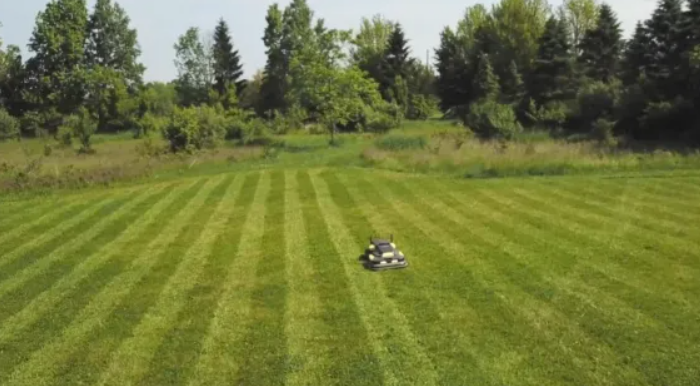
Straight linescreate a clean, neat look on your lawn. They are easy to follow and help cover large areas quickly. This pattern helps grass grow evenly by cutting in the same direction each time. It also reduces tire tracks and soil compaction.
Diagonal stripesadd a stylish touch to your yard. Mowing at an angle changes the grass blades’ direction, making stripes visible. It can make a small lawn look bigger and more interesting. This pattern is great for areas with slopes or uneven ground.
Circular patternswork well around trees or flower beds. They help mow tricky spots without missing grass near obstacles. Circles can create a unique design that stands out. This pattern also reduces mower wear by spreading pressure evenly.
Adjusting Mower Settings
Set the blade heighthigher during fall. This helps protect grass roots. Avoid cutting too short to prevent stress on grass. A height of 2.5 to 3 inches works well for most lawns.
Keep mower blades sharp. Dull blades tear grass, causing damage and disease. Regularly clean and sharpen blades for a clean cut. Check blades every few mowings for best results.
- Adjust speedto mow slower in fall. Slow mowing helps cut leaves and grass evenly.
- Faster speeds can leave uneven cuts and clumps.
- Slow speed also reduces stress on mower engine during thick leaf layers.
Credit: www.yarbo.com
Timing And Frequency
Mowing every 7-10 days helps keep your lawn healthy during fall. Early morning or late afternoon cuts reduce stress on grass. Consistent timing and frequency improve overall lawn appearance.
Best Time Of Day To Mow
Mowing in the morning or late afternoon is best. The sun is not too hot, and grass is not wet. Wet grass can clog the mower. It can also cause uneven cuts. Morning dew or rain can make grass slippery. Always check the weather before mowing.How Often To Mow In Fall
Mow your lawn once a week in fall. Grass grows slower as it gets cooler. Keep grass about 2.5 to 3 inches tall. This helps it stay healthy. Long grass can get tangled. It can also invite pests and diseases.Weather Considerations
Avoid mowing when it’s raining. Wet grass can be dangerous. It also affects the mower’s performance. Mowing on sunny days is safer. Check weather forecasts before planning. This ensures a smooth and easy mow. `Additional Lawn Care Tips
Removing leaves keeps grass healthy. Thick leaf layers block sunlight and air.
Use a rake, leaf blower, or mower with a bag to clear leaves. Clear leaves often to avoid lawn damage.
Fertilizing before winter helps grass store nutrients. Choose a fertilizer with more potassium. It strengthens roots for cold weather.
Apply fertilizer in late fall. Avoid too much nitrogen to prevent growth that freezes easily.
| Aeration Benefits | Details |
|---|---|
| Improves Air Flow | Allows oxygen to reach roots for better growth |
| Enhances Water Absorption | Helps water soak deeply into soil |
| Reduces Soil Compaction | Makes soil less dense, so roots spread easier |
| Boosts Nutrient Uptake | Lets fertilizer reach roots better |

Credit: www.yahoo.com
Frequently Asked Questions
What Is The Best Mowing Pattern For Fall Lawns?
The best mowing pattern for fall is alternating directions. This prevents soil compaction and promotes even grass growth. It also helps avoid ruts and ensures your lawn receives uniform sunlight and nutrients.
How Often Should I Mow My Lawn In Fall?
Mow your lawn once a week in early fall. As temperatures drop, reduce mowing frequency to every two weeks. Keep grass height around 2. 5 to 3 inches for healthy growth and protection during colder months.
Should I Change Mowing Height In Fall?
Yes, increase your mower blade height slightly in fall. Taller grass blades protect roots from frost and conserve moisture. Aim for about 3 inches to help your lawn survive winter and green up faster in spring.
Why Is Alternating Mowing Patterns Important?
Alternating mowing patterns prevents soil compaction and uneven wear. It encourages stronger root systems and healthier grass growth. This technique also reduces the risk of disease and keeps your lawn looking neat and vibrant year-round.
Conclusion
Choosing the right mowing pattern helps your lawn stay healthy in fall. Change directions each time to avoid soil compaction. Mow slower to protect grass during cooler weather. Keep your blades sharp for a clean cut every time. These small steps make a big difference by winter.
Your lawn will look neat and strong next spring. Simple care now saves work later. Enjoy a greener yard with less effort.





