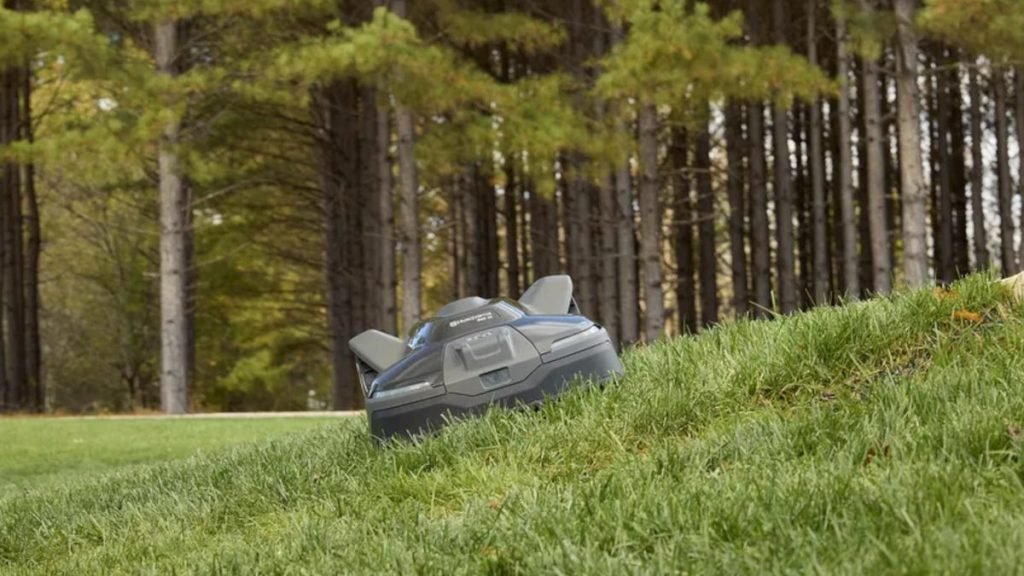
Imagine stepping into your backyard on a sunny morning and seeing a perfectly manicured lawn, all without lifting a finger. Sounds like a dream, right?
This dream can become your reality with robotic lawn mowers. But are they really worth the investment? If you’ve ever wondered whether these high-tech gadgets can replace your trusty old mower, you’re in the right place. We’ll explore the pros and cons of robotic lawn mowers, helping you decide if they fit your lifestyle and budget.
Discover the ease and efficiency these devices promise, and find out if this smart garden gadget is the key to giving you more free time and a pristine lawn. Stay with us as we dive into everything you need to know, ensuring you make a smart choice for your lawn care.
Benefits Of Robotic Mowers
Robotic lawn mowers offer several benefits that make lawn care easier and more efficient. They reduce manual work and help maintain a healthy, green lawn with minimal effort. These machines bring convenience and smart features to everyday gardening tasks.
Time Savings And Convenience
Robotic mowers save hours of mowing each week. They work automatically without supervision. You can schedule mowing times to fit your routine. No need to push a heavy mower or handle noisy equipment. The mower does the job while you relax or focus on other tasks.
Consistent Lawn Maintenance
Robotic mowers cut grass regularly and evenly. This prevents overgrowth and keeps the lawn neat. Frequent trimming encourages healthier grass growth. The mower’s sharp blades make clean cuts that reduce stress on the grass. Your lawn looks well-groomed all season long.
Environmental Advantages
These mowers use electric power, which reduces fuel use and pollution. They produce zero direct emissions, helping the environment. The small size means less soil compaction and damage. Many models recycle grass clippings, acting as natural fertilizer. This supports sustainable and eco-friendly lawn care.
Quiet Operation
Robotic mowers run quietly compared to gas mowers. Their low noise level causes less disturbance to neighbors. You can mow early in the morning or late at night. Quiet operation creates a peaceful outdoor space. It makes lawn care less stressful for everyone around.
Types Of Robotic Lawn Mowers
Choosing the right robotic lawn mower depends heavily on the type that suits your yard and lifestyle. There are several models available, each designed with different features to meet specific needs. Understanding these types can help you decide if a robotic mower is truly worth your investment.
Basic Models
Basic robotic lawn mowers focus on simple, efficient grass cutting. They usually come with limited programming options and are best for flat, straightforward lawns. If you want a low-cost, no-fuss solution to keep your grass trimmed regularly, these models can be a solid choice.
They typically work well in small to medium yards with minimal obstacles. Keep in mind, they might struggle with complex lawn shapes or steep slopes. Do you have a simple garden layout that doesn’t need advanced navigation?
Advanced Features
Advanced robotic mowers offer smart technology like GPS mapping, app control, and obstacle detection. These mowers adjust their cutting patterns based on lawn size and shape, saving you time and effort. If you like tech gadgets and want full control from your phone, this category delivers.
Some models include rain sensors and self-charging docks, allowing truly hands-off maintenance. But these come at a higher price. Ask yourself if the convenience and extra features justify the cost for your lifestyle.
Best For Small Yards
Small yard mowers are compact and lightweight, designed to maneuver tight spaces easily. They often have shorter battery life but recharge quickly, perfect for quick jobs. If your yard is less than a quarter-acre, these models give you efficient mowing without bulk or complexity.
They are ideal if you want to keep your lawn neat without spending hours pushing a traditional mower. Think about how much time you currently spend on lawn care and whether a small robotic mower could free up your schedule.
Options For Large Lawns
For large lawns, you need a mower with strong batteries and extended run time. These models cover up to an acre or more and often feature multiple cutting zones. They handle uneven terrain and complex layouts better than basic models.
Some large lawn mowers can even connect to weather forecasts to optimize mowing times. If your yard is big and you want consistent results without hiring help, investing in a powerful robotic mower pays off. Are you ready to delegate your extensive lawn care to a reliable machine?
Cost Considerations
Cost considerations play a big role in deciding if robotic lawn mowers are worth buying. Understanding the different expenses helps make a smart choice. These expenses include the upfront cost, ongoing maintenance, energy use, and possible savings over time.
Initial Investment
Robotic lawn mowers usually cost more than traditional mowers. Prices vary based on size, brand, and features. Some models can be expensive, but they offer convenience. The upfront cost may feel high but consider how much time you save.
Maintenance Expenses
These mowers need regular blade changes and cleaning. Batteries might need replacement every few years. Maintenance costs are generally low but should be planned for. Keeping the mower in good shape ensures it works well.
Energy Costs
Robotic mowers run on electricity, using less power than gas mowers. Charging costs are usually small and easy on the budget. They are eco-friendly because they do not use fuel. This helps reduce your carbon footprint.
Long-term Savings
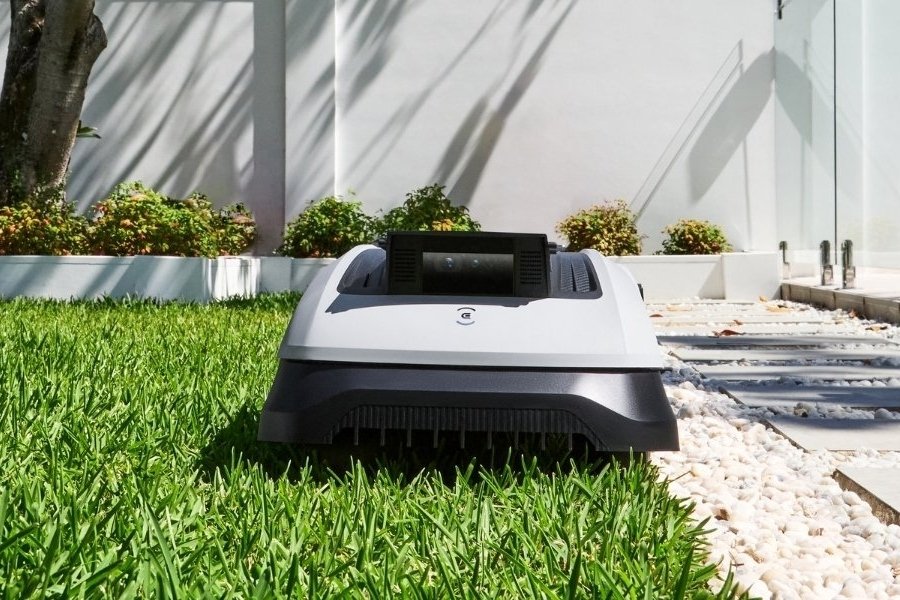
Robotic mowers can save money by reducing fuel and maintenance costs. They also save time, which has value. Lawn care services may become unnecessary, cutting extra expenses. Over time, the initial cost may balance out with these savings.
Credit: www.ecovacs.com
Installation And Setup
Getting your robotic lawn mower up and running involves more than just unboxing it and pressing start. Installation and setup can affect how well your mower performs and how much time you spend troubleshooting later. Understanding the options and challenges upfront will help you decide if the investment is truly worth it for your yard.
Boundary Wire Vs. Gps Guidance
Most robotic mowers rely on boundary wires to define the mowing area. These wires need to be carefully placed around your lawn’s edges and any obstacles. The process can take a few hours depending on your yard’s size and shape.
Alternatively, some newer models use GPS guidance to map your lawn without physical wires. This setup is quicker and less intrusive but often comes with a higher price tag and sometimes less accuracy in complex landscapes. Think about your yard’s layout—is it straightforward or full of irregular corners? That will influence which system fits best.
Smartphone Integration
Smartphone apps have become standard for controlling robotic mowers. Through an app, you can schedule mowing times, adjust settings, and even monitor your mower’s location. This feature adds convenience and control, especially if you want to manage your lawn remotely.
Some apps offer notifications for when the mower finishes or encounters a problem. This keeps you informed without needing to check on the mower constantly. If you enjoy tech that simplifies chores, this aspect could be a big plus.
Safety Features
Safety is crucial during installation and operation. Most robotic mowers come with sensors that stop the blades if the mower is lifted or tilted. These sensors need to be tested after setup to ensure they work correctly.
Some models include child locks or PIN codes to prevent unauthorized use. Don’t overlook the importance of placing boundary wires or setting GPS zones accurately—incorrect setup can lead to the mower wandering into unsafe areas.
Common Installation Challenges
Many users find that uneven terrain or thick grass can complicate installation. Boundary wires might get damaged by garden tools or pets, requiring occasional repairs. Also, you might need to troubleshoot if the mower frequently leaves patches unmowed.
Wireless interference or weak GPS signals can affect performance, especially in densely built neighborhoods. Are you prepared to spend time on maintenance and adjustments? Knowing this helps set realistic expectations before buying.
Performance Factors
Performance plays a key role in deciding if a robotic lawn mower is right for you. Various factors affect how well these machines work in different yards. Understanding these factors helps in choosing a model that fits your lawn’s needs. Below are the main performance aspects to consider.
Battery Life And Charging
Battery life determines how long the mower runs before it needs a recharge. Models with longer battery life cover larger areas without stopping. Charging time affects how quickly the mower can get back to work. Some mowers return to their base automatically to recharge. Efficient battery management means less waiting and more mowing.
Cutting Efficiency
Cutting efficiency depends on blade quality and cutting patterns. Sharp blades provide cleaner cuts, which promote healthy grass growth. Some mowers use random cutting paths to ensure even coverage. Adjustable cutting heights let users customize the lawn’s look. Efficient cutting saves time and keeps the lawn neat.
Handling Complex Terrain
Not all lawns are flat and simple. Robotic mowers must handle slopes, bumps, and obstacles. Good traction helps the mower move smoothly on hills. Sensors detect objects to avoid collisions. Some models navigate narrow paths and tight corners well. Terrain handling ensures consistent mowing across the entire yard.
Weather Resistance
Robotic mowers face outdoor conditions daily. Rain, moisture, and dust can affect performance. Weather-resistant designs protect the mower’s electronics and motors. Some mowers can operate in light rain, while others pause until dry. Reliable weather resistance extends the mower’s lifespan and usability.
Potential Drawbacks
Robotic lawn mowers offer convenience, but they come with some potential drawbacks you should consider before making a purchase. Understanding these challenges can help you decide if this technology fits your lawn care needs and lifestyle. Let’s look at some of the common issues users face.
Initial Learning Curve
Getting your robotic mower to work smoothly can take time. You’ll need to set up boundaries and program schedules carefully. At first, it might miss spots or get stuck, which can be frustrating.
Think about how much time you’re willing to spend on initial setup and tweaking. Are you patient enough to troubleshoot and fine-tune the system? This learning phase is crucial for long-term satisfaction.
Limitations In Obstacles
Robotic mowers struggle with complex lawns filled with obstacles like flower beds, rocks, or uneven terrain. They often require you to clear certain areas or install boundary wires to keep them on track.
If your yard has many tight corners or steep slopes, the mower might not perform well. Have you checked if your lawn’s layout is compatible with these machines? Sometimes, manual mowing remains necessary for tricky spots.
Security Risks
Since robotic mowers operate unattended, they can be vulnerable to theft or vandalism. Some models come with GPS tracking and alarms, but these features aren’t foolproof.
Consider where you live and how secure your yard is before investing. Is your neighborhood safe enough to leave an expensive device outside? This risk might impact whether the convenience outweighs potential losses.
Suitability For Different Grass Types
Not all grass types respond well to robotic mowing. Thicker, taller, or uneven grasses may require more frequent maintenance or a different cutting approach.
Have you identified what kind of grass you have? Some users report that the mower struggles with certain species, leading to uneven cuts or overgrowth. Knowing this helps you avoid disappointment after purchase.
Comparing Robotic Mowers To Traditional Mowers
Choosing between a robotic lawn mower and a traditional mower can change how you manage your yard. Each type has its own strengths and challenges that affect your time, effort, and wallet. Understanding these differences helps you decide what fits your lifestyle and lawn care needs best.
Manual Effort Required
Traditional mowers demand physical work. You need to push or guide the mower across your lawn, which can be tiring, especially on large or uneven terrain.
Robotic mowers, on the other hand, operate autonomously. Once set up, they require minimal intervention—just occasional emptying of clippings and battery charging.
Think about how much time and energy you’re ready to invest. Do you want to spend weekend hours mowing, or would you prefer to let a machine handle it for you?
Mowing Quality
Traditional mowers usually provide consistent cutting height and can handle thick or tall grass effectively. You control the speed and direction, which can be helpful for tricky spots.
Robotic mowers trim frequently and evenly, promoting healthier grass by avoiding cutting too much at once. However, they might struggle with very tall grass or complex obstacles.
Consider whether you prioritize precision control or steady, regular maintenance that keeps your lawn neat with less effort.
Cost Over Time
| Factor | Traditional Mower | Robotic Mower |
|---|---|---|
| Initial Price | Typically lower | Higher upfront cost |
| Maintenance | Oil, blades, fuel, occasional repairs | Battery replacement, software updates, occasional cleaning |
| Operating Cost | Fuel or electricity plus maintenance | Electricity and minimal maintenance |
Over time, robotic mowers may balance out their higher initial price with lower running costs. But ask yourself if the upfront investment fits your budget and how much you value convenience.
Environmental Impact
Traditional gas-powered mowers emit pollutants and consume fossil fuels, which adds to your carbon footprint. Even electric push mowers use electricity that might come from non-renewable sources.
Robotic mowers run on rechargeable batteries and tend to be quieter, producing less noise pollution. Their frequent mowing also helps maintain lawn health, potentially reducing the need for chemical treatments.
Is reducing your environmental impact a priority when choosing your lawn mower? If yes, robotic mowers offer a cleaner, quieter alternative worth considering.

Credit: navimow.segway.com
Tips For Choosing The Right Model
Choosing the right robotic lawn mower makes a big difference in your yard’s care. Consider several factors to get a model that fits your needs. Focus on lawn size, features, budget, and brand support. This helps avoid costly mistakes and ensures smooth operation.
Assessing Lawn Size And Shape
Measure your lawn area before picking a mower. Large lawns need models with longer battery life and wider cutting paths. Small yards work well with compact and simple machines. Complex shapes or many obstacles require mowers with good navigation systems. Check if the mower can handle slopes or uneven ground too.
Feature Priorities
Decide which features matter most. Common options include:
- Scheduling timers for automatic mowing
- Rain sensors to pause work during wet weather
- Adjustable cutting height for different grass types
- Anti-theft alarms and PIN codes
Choose features that suit your lawn and lifestyle. Avoid paying for extras you won’t use.
Budget Alignment
Set a clear budget before shopping. Basic models cost less but offer fewer features. Higher-end models provide advanced technology and better performance. Balance price with quality and durability. Consider long-term savings from reduced maintenance and fuel costs.
Brand Reputation And Support
Pick a brand known for reliable products. Look for good customer reviews and strong warranties. Check if local service centers or support teams are available. Easy access to parts and help ensures your mower lasts longer. Trusted brands often have better software updates and security features.
Future Trends In Smart Lawn Care
The future of smart lawn care is bright and full of innovation. Robotic lawn mowers are evolving with new technology. These advancements make lawn care easier, smarter, and more eco-friendly.
Next-generation mowers will not only cut grass but also learn and adapt. They will work longer and connect seamlessly with other smart devices. Sustainable features will reduce environmental impact and save energy.
Ai And Machine Learning Integration
Robotic mowers will use AI to understand lawn conditions better. Machine learning helps them adapt mowing patterns based on grass growth. This results in a healthier, more even lawn.
AI can detect obstacles and avoid them safely. It can also predict weather changes to adjust mowing schedules. This ensures efficient and safe lawn care without human input.
Improved Battery Technologies
Battery life will improve with new tech. Longer-lasting batteries mean mowers can work for hours without recharging. Faster charging times will reduce downtime between uses.
Advanced batteries will be lighter and safer. This will make mowers more powerful and easier to handle. The focus is on energy efficiency and durability for daily use.
Connectivity And Automation
Robotic mowers will connect with smartphones and home networks. Users can control and monitor mowing remotely. Automation will allow mowers to start and stop based on schedules or weather.
Integration with smart home systems will create a seamless lawn care experience. Voice commands and app controls will make operation simple. Mowers will update their software automatically for better performance.
Sustainable Innovations
Future mowers will focus on reducing environmental impact. Quiet motors and electric power will cut noise and pollution. Eco-friendly materials will be used in manufacturing.
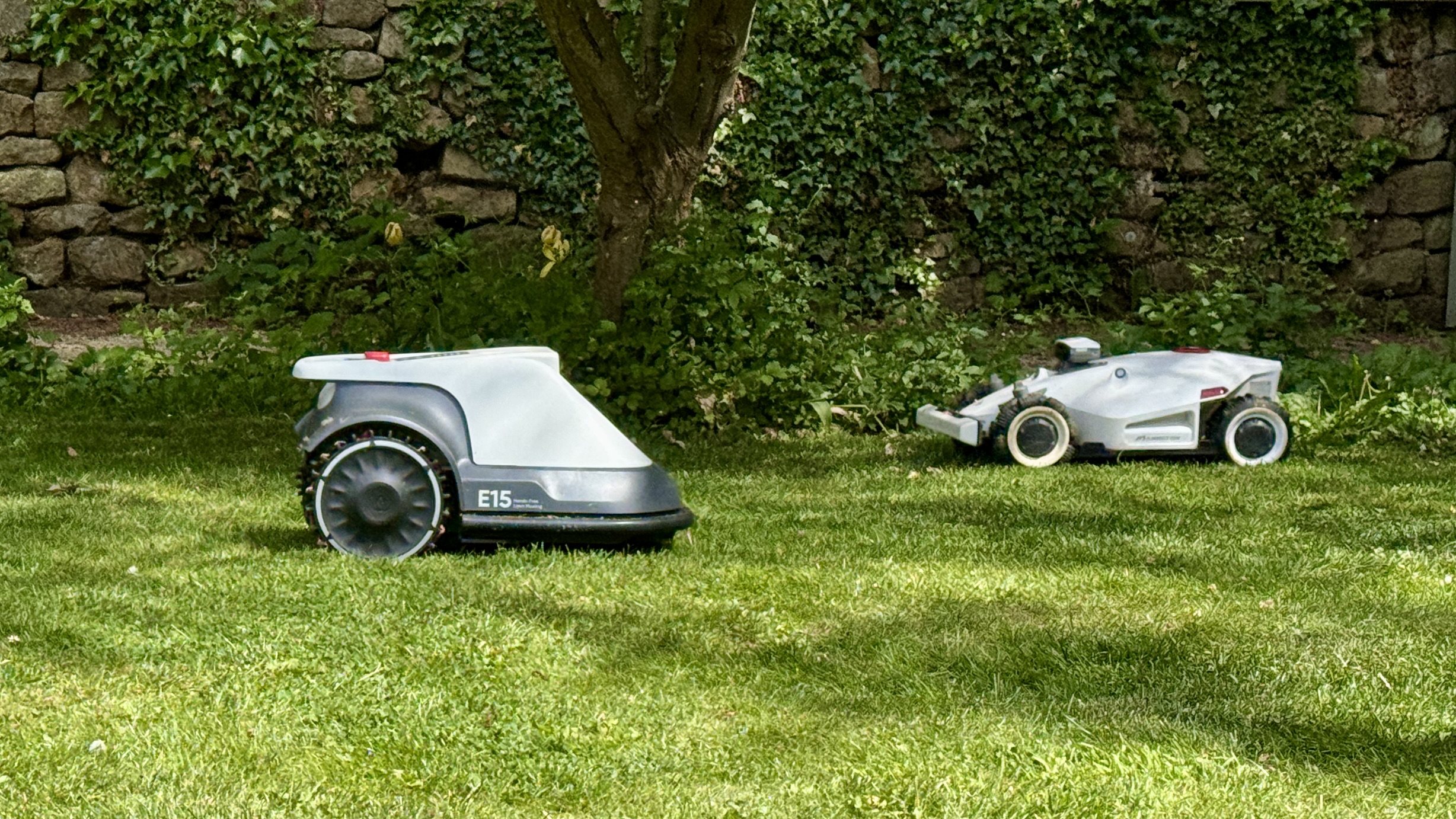
Smart energy use will minimize battery waste. Some models may use solar power or energy-saving modes. These features help keep lawns green and the planet cleaner.
Credit: www.t3.com
Frequently Asked Questions
What Are The Main Benefits Of Robotic Lawn Mowers?
Robotic mowers save time and effort by mowing automatically. They provide consistent lawn care and reduce noise pollution. These mowers are eco-friendly, using electric power with no emissions. They also improve lawn health with regular, precise cutting.
How Much Do Robotic Lawn Mowers Typically Cost?
Robotic lawn mowers range from $600 to $3,000, depending on features and lawn size. Higher-end models offer advanced navigation and app control. Consider your lawn size and budget to choose the best mower for your needs.
Are Robotic Mowers Suitable For All Lawn Types?
Robotic mowers work best on flat to moderately sloped lawns. They can handle obstacles but may struggle with very uneven terrain. Lawns with complex shapes may require boundary wire installation for optimal performance.
Do Robotic Lawn Mowers Require Much Maintenance?
Robotic mowers require minimal maintenance, mainly blade replacement and cleaning. Regularly check sensors and wheels for debris. Keeping the charging station clean ensures efficient operation. Overall, maintenance is easier than traditional mowers.
Conclusion
Robotic lawn mowers can save you time and effort. They work quietly and keep grass neat. Costs vary, so consider your budget carefully. Maintenance is low but still needed. Small or medium yards benefit most from these mowers. They offer convenience without much hassle.
Think about your lawn size and needs. A robotic mower might be a good choice for you.





