Have you ever wondered what type of engine powers your lawn mower? If you’re like many homeowners, you’re probably eager to make yard work as efficient and stress-free as possible.
The type of engine in your lawn mower plays a significant role in its performance and maintenance needs. Understanding whether your lawn mower is powered by a 2 cycle engine can not only save you time but also enhance your mowing experience.
We’ll explore the mechanics behind lawn mower engines and help you discover whether a 2 cycle engine is the right choice for your mowing needs. Stick around to uncover insights that could transform how you care for your lawn.

Credit: www.lawnsite.com
Types Of Lawn Mower Engines
Choosing the right engine for your lawn mower can make a big difference in how easy it is to maintain your yard. Lawn mower engines mainly come in two types: 2 cycle and 4 cycle. Understanding their differences helps you decide which one fits your needs and how you handle your mower.
2 Cycle Engines
2 cycle engines are lighter and simpler in design. They mix oil with gasoline to lubricate the engine parts, so you don’t need to add oil separately.
This design makes 2 cycle engines powerful for their size and easy to start. However, they tend to be louder and produce more emissions than 4 cycle engines.
If you’ve ever used a handheld leaf blower or chainsaw, you might recognize this engine type. They work well for smaller mowers or tools where weight and portability matter most.
4 Cycle Engines
4 cycle engines have a more complex design with separate compartments for oil and gasoline. You add oil separately to keep the engine lubricated, which means fewer fumes and less smoke while running.
These engines are quieter, more fuel-efficient, and generally last longer. They are common in push mowers and riding mowers where steady power and durability are important.
Have you noticed how some mowers run smoother and cleaner? That’s usually a 4 cycle engine at work. They require slightly more maintenance but reward you with better fuel economy and lower emissions.
How 2 Cycle Engines Work
Understanding how 2 cycle engines work can change the way you maintain your lawn mower. These engines are different from the more common 4 cycle engines because they complete their work in just two movements of the piston. This design makes them lighter and simpler, which is why they are often found in smaller machines like lawn mowers.
Fuel And Oil Mix
A key feature of 2 cycle engines is the way they use fuel and oil together. Unlike 4 cycle engines that have separate compartments, these engines require you to mix oil directly into the fuel.
This mix lubricates the engine’s moving parts during operation. Without the right ratio, your engine could overheat or get damaged. Many manufacturers recommend a specific mix ratio, such as 50:1, meaning 50 parts fuel to 1 part oil.
Have you ever tried running your mower without mixing oil? The engine quickly loses power and may seize up, showing how crucial this step is for smooth operation.
Power Stroke Process
The power stroke in a 2 cycle engine happens with just two movements: up and down. During the first movement, the piston moves up, compressing the fuel-air mixture inside the cylinder.
When the piston reaches the top, the spark plug ignites this mixture, causing an explosion. This explosion forces the piston down, creating the power needed to turn the blade on your lawn mower.
At the same time, the engine draws in a fresh fuel-air mix for the next cycle. This efficient process allows the engine to produce power with fewer moving parts, but it also means the timing and mix must be just right for your mower to work well.
Advantages Of 2 Cycle Engines
2 cycle engines have clear benefits for lawn mowers. Their design and performance suit many users who want efficient and easy-to-use machines. These engines offer features that improve handling and cutting power.
Lightweight Design
2 cycle engines are smaller and lighter than 4 cycle engines. This makes lawn mowers easier to carry and push. Less weight reduces user fatigue during long mowing sessions. The compact size fits well in tight spaces and storage areas.
Higher Power Output
These engines produce more power for their size. They complete a power cycle every revolution, boosting energy output. This allows lawn mowers to cut thick or tall grass faster. Users get strong performance without a bulky engine.

Credit: www.walmart.com
Disadvantages Of 2 Cycle Engines
2 cycle engines in lawn mowers have some clear drawbacks that can affect your mowing experience and the environment. Understanding these disadvantages helps you decide if this type of engine fits your needs or if you should look for alternatives.
Fuel Efficiency Issues
2 cycle engines mix oil with fuel, which can lead to inefficient fuel consumption. You might find yourself refueling more often compared to 4 cycle engines, increasing your running costs.
Because the oil and fuel mix burns together, some of the fuel doesn’t fully combust, wasting energy. Have you ever noticed your mower running out of fuel faster than expected? That’s likely why.
This inefficiency means you spend more time and money managing fuel, which might be frustrating if you have a large lawn to maintain.
Environmental Impact
These engines emit more pollutants due to incomplete fuel combustion. The mix of oil and gasoline produces smoke and releases harmful hydrocarbons into the air.
If you’re concerned about your carbon footprint, 2 cycle engines might not be the best choice. They contribute more to air pollution compared to cleaner 4 cycle engines.
Have you thought about how your lawn mower affects your neighborhood’s air quality? Choosing a mower with a more eco-friendly engine can make a noticeable difference.
Common Lawn Mower Engine Types
Understanding the common types of lawn mower engines can help you choose the right mower for your yard. Lawn mowers mainly come with either 2 cycle or 4 cycle engines, each having distinct features and uses. Knowing the difference can save you time, money, and effort in maintenance and operation.
Which Mowers Use 2 Cycle Engines
2 cycle engines are lighter and simpler in design. They are commonly found in handheld lawn equipment like string trimmers and small push mowers. These engines mix oil with fuel, which means you need to prepare a fuel blend before use.
If you have a small lawn or need a mower that’s easy to carry around, a 2 cycle engine mower might be ideal. However, keep in mind that these engines tend to be noisier and produce more emissions. Have you ever struggled with mixing fuel and oil correctly? It’s a common hassle with 2 cycle mowers.
Popular 4 Cycle Models
4 cycle engines are more powerful and run on regular gasoline without mixing oil. They are standard in most push and riding lawn mowers designed for medium to large yards. These engines offer better fuel efficiency and lower emissions compared to 2 cycle engines.
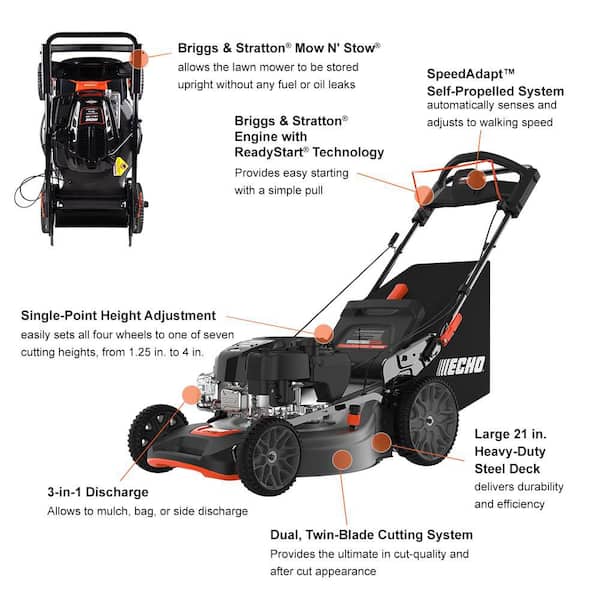
Brands like Honda, Briggs & Stratton, and Toro often use 4 cycle engines in their popular models. If you want a mower with easier maintenance and quieter operation, a 4 cycle model could be the right choice. What’s your priority: power or portability?
Maintenance Tips For 2 Cycle Engines
Maintaining a 2 cycle engine in your lawn mower is crucial for its performance and longevity. These engines require specific care because they use a fuel-oil mix that keeps the engine running smoothly. Neglecting maintenance can lead to hard starts, poor performance, or even engine damage.
Mixing Fuel Properly
Mixing the right ratio of gasoline to oil is essential for a 2 cycle engine. Using too little oil can cause the engine to overheat and seize, while too much oil creates excess smoke and carbon buildup.
Always check your lawn mower’s manual for the exact fuel-to-oil ratio. Common ratios are 50:1 or 40:1, but this can vary. Measure the oil carefully using a dedicated container, then mix it thoroughly with fresh gasoline.
Use fresh fuel whenever possible. Old gasoline can degrade and clog the carburetor, leading to rough running or failure to start. Have you ever tried to start your mower after winter and found it wouldn’t run? Proper mixing and fresh fuel can prevent that frustration.
Cleaning And Storage
After each mowing session, clean your mower’s exterior and remove grass clippings from the deck and engine area. This prevents rust and keeps airflow steady, which your engine needs to stay cool.
Before storing your mower for a long period, drain the fuel tank or add a fuel stabilizer to prevent gum buildup inside the carburetor. Old fuel can cause sticky valves and clogged jets, making your mower hard to start next season.
Store your mower in a dry, sheltered spot. Moisture can cause corrosion and damage the engine parts. Have you noticed rust spots after storing your mower outdoors? A little extra care can save you from costly repairs.
Choosing The Right Engine For Your Lawn
Choosing the right engine for your lawn mower affects how well you maintain your yard. Different engines suit different lawn sizes and user needs. Understanding engine types helps you pick the best fit for your grass cutting tasks. This guide focuses on factors that influence your engine choice, making your lawn care easier.
Lawn Size Considerations
Small lawns need less powerful engines. A compact mower with a simple engine can handle these well. Large lawns require stronger engines for efficient cutting. Two-cycle engines work better on smaller areas due to their lighter weight. Four-cycle engines usually handle bigger yards with heavy grass better.
Think about how often you mow. Frequent mowing favors easy-to-start engines. Big lawns may need longer run times, so fuel capacity matters. Two-cycle engines mix oil and gas, offering a lighter design but more frequent refills.
Performance And Noise Factors
Two-cycle engines provide quick bursts of power. They run hotter and are louder than four-cycle engines. Noise levels matter in neighborhoods with noise rules. Four-cycle engines tend to be quieter and more fuel-efficient. Two-cycle engines produce more exhaust and require more maintenance.
Consider engine speed and torque for thick grass. Two-cycle engines deliver good power-to-weight ratios. Four-cycle engines offer smoother and more consistent power. Balance noise, power, and maintenance needs to find the best engine for your lawn.

Credit: www.reddit.com
Frequently Asked Questions
Are Lawn Mowers Equipped With 2 Cycle Engines?
Many lawn mowers use 4 cycle engines, but some smaller or older models feature 2 cycle engines. Two-cycle engines are lighter and simpler but less common today due to emissions regulations.
What Are The Benefits Of 2 Cycle Lawn Mower Engines?
Two cycle engines are lightweight, compact, and deliver high power-to-weight ratios. They start easily and operate at high RPMs but require mixing oil with fuel and produce more emissions.
How Do 2 Cycle Engines Differ From 4 Cycle Ones?
Two cycle engines complete a power cycle in two strokes, using mixed oil and fuel. Four cycle engines run on separate intake, compression, power, and exhaust strokes, offering cleaner combustion and better fuel efficiency.
Are 2 Cycle Lawn Mowers Environmentally Friendly?
Two cycle engines emit more pollutants due to incomplete combustion and oil burning. They are less environmentally friendly compared to 4 cycle engines, which produce fewer emissions and comply with stricter regulations.
Conclusion
Lawn mowers can have either 2-cycle or 4-cycle engines. Each type has its own benefits and drawbacks. 2-cycle engines are lighter and simpler but use more fuel and oil. 4-cycle engines run cleaner and are quieter but weigh more. Knowing the difference helps you pick the right mower.
Choose what fits your yard and needs best. This way, mowing becomes easier and more efficient. Keep your mower well-maintained for longer life. A good choice makes lawn care less work and more fun.