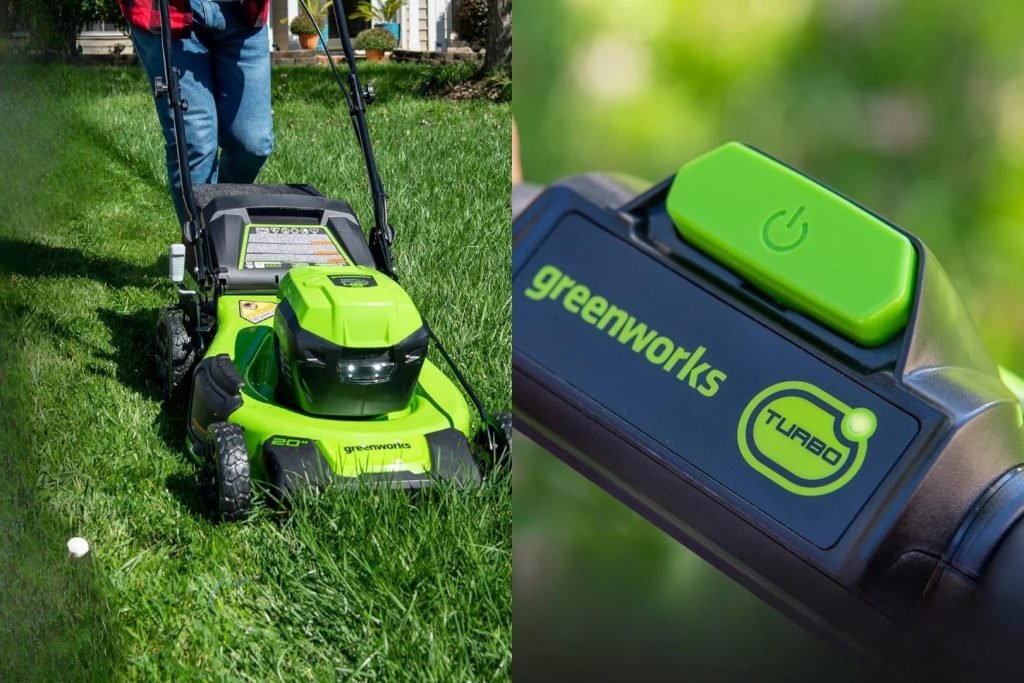
Imagine peacefully sipping your morning coffee while your neighbor’s old gas lawn mower roars into action, shattering the tranquility of your weekend. Sound familiar?
If you’re tired of the deafening noise that traditional lawn mowers make, you might be curious about electric lawn mowers. Are they really quieter? You’re about to discover the answer to this question that could transform your gardening experience and bring serenity back to your weekend mornings.
Dive into this article to uncover the truth about electric lawn mowers and whether they are the peaceful solution you’ve been searching for.
Noise Levels Compared
Noise levels play a big role in choosing a lawn mower. Many people want quieter tools to avoid disturbing neighbors and enjoy a peaceful yard. Comparing electric and gas lawn mowers shows clear differences in sound output. Understanding these differences helps make better choices for yard work.
Decibel Ratings Of Electric Vs Gas Mowers
Electric mowers usually produce between 60 to 75 decibels (dB). Gas mowers often run louder, around 85 to 95 dB. The lower decibel rating of electric models means less noise during use. This difference can make electric mowers much easier on the ears.
Impact On Neighborhood Noise
Gas mowers create more noise pollution in neighborhoods. Their engines produce loud, constant sounds. Electric mowers operate quietly, causing less disturbance outside. Using electric mowers can help keep your neighborhood calm and friendly.
Measuring Sound In Real Conditions
Testing noise outside shows true mower sound levels. Factors like wind, grass type, and mower speed affect noise. Real-world tests confirm electric mowers stay quieter than gas models. Measuring sound on-site gives the most accurate results.
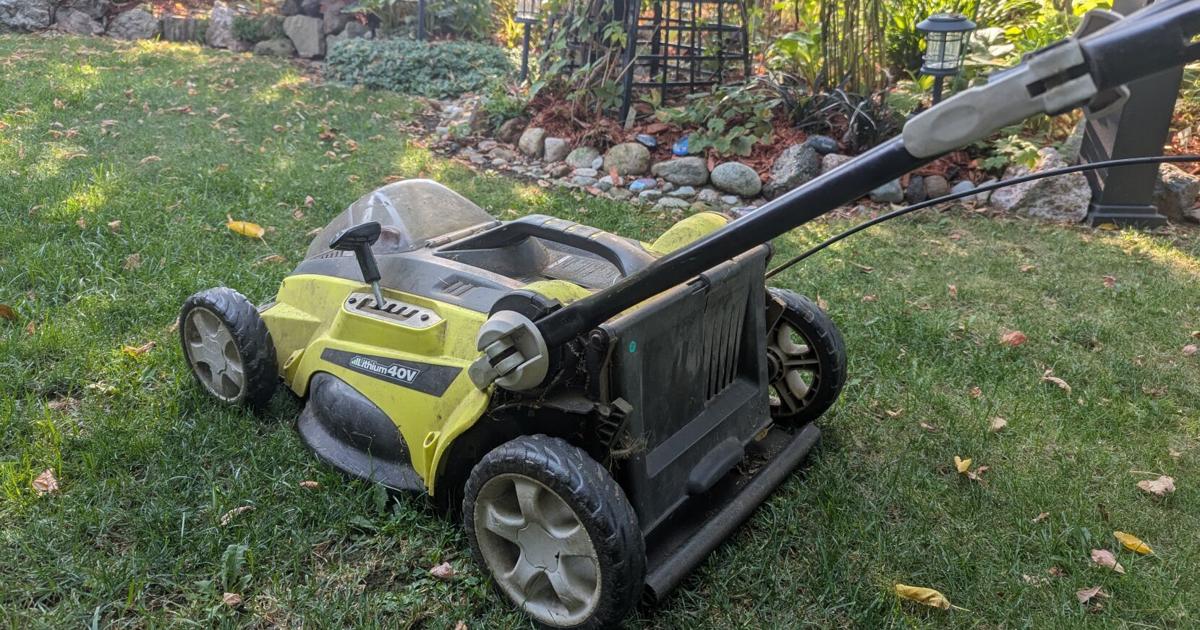
Credit: www.insidehalton.com
How Electric Mowers Stay Quiet
Electric lawn mowers are known for their quieter operation, but have you ever wondered how they manage to keep the noise level so low? The secret lies in their design and technology. Let’s break down the main reasons why electric mowers stay quiet and how that benefits your mowing experience.
Electric Motor Design
Electric motors run smoothly and produce less vibration compared to gas engines. This smooth operation means fewer loud noises and less mechanical clatter.
Because electric motors don’t rely on combustion, they don’t generate the same harsh sounds. You’ll notice a steady hum rather than a loud roar, making your mowing session more peaceful.
Absence Of Combustion Engine
Gas-powered mowers use combustion engines, which create noise from fuel ignition and exhaust systems. Electric mowers eliminate this entirely.
No engine combustion means no loud engine revving or exhaust backfires. This absence drastically cuts down on noise pollution around your home.
Innovative Noise-reducing Features
- Blade design:Many electric mowers feature blades shaped to minimize noise while cutting.
- Insulated housings:Manufacturers add soundproof materials around the motor to absorb noise.
- Vibration dampeners:These reduce the noise caused by mower vibrations, making operation smoother and quieter.
Have you ever thought about how much quieter your yard could be if you switched to an electric mower? These practical features don’t just reduce noise; they also make your mowing easier and more enjoyable.
Benefits Of Quieter Mowing
Quieter mowing offers many advantages beyond just noise reduction. It creates a more pleasant experience for users and those nearby. Lower noise levels improve comfort, reduce disturbances, and protect animals around your home.
Improved User Comfort
Electric lawn mowers produce less noise than gas models. This means less ear fatigue and a more enjoyable mowing session. Users can mow for longer without feeling tired or stressed. The quiet operation allows better focus on the task and makes the job feel easier.
Less Disturbance For Neighbors
Lower mower noise means neighbors stay peaceful during lawn care. There is no need to worry about waking children or disturbing quiet time. Quieter mowing helps maintain good relationships with those living nearby. It keeps the neighborhood calm and friendly.
Reduced Stress For Pets And Wildlife
Loud lawn mowers can scare pets and wild animals. Electric mowers’ quiet sound keeps animals calm and safe. Pets remain relaxed and less anxious during mowing. Wildlife can continue their activities without disruption near your yard.

Credit: www.youtube.com
Performance And Power Considerations
Choosing an electric lawn mower involves more than just picking a quieter option. You also need to consider how well it performs and whether its power fits your lawn’s needs. Understanding these factors helps you decide if an electric mower can handle your yard without sacrificing quality or convenience.
Cutting Efficiency Of Electric Models
Electric mowers often provide a clean and even cut, especially on well-maintained lawns. Their blades spin at a consistent speed, which can result in a smoother finish compared to some gas mowers that may fluctuate in power.
However, if your grass grows very thick or tall, some electric models might struggle more than gas-powered ones. Have you noticed your mower bog down in dense patches? That’s a sign to check the mower’s blade design and motor strength before buying.
Battery Life And Runtime
Battery life is a key factor that affects how long you can mow without interruption. Most electric mowers offer runtimes between 30 to 60 minutes on a single charge, which is usually enough for small to medium lawns.
If your lawn is larger, you might need a model with a quick-swap battery or the ability to plug in. Think about how long it takes you to mow your yard and compare it to the mower’s runtime. Can you finish the job on one charge, or will you need to recharge halfway through?
Handling Different Lawn Types
Electric mowers handle flat, even lawns quite well, delivering consistent results. But what about uneven or hilly terrain? Some electric models come with adjustable height settings and good traction to help you mow over bumps and slopes safely.
Grass type also matters. Fine, soft grass cuts easily, but tougher grasses like Bermuda or fescue might demand a mower with more power. Ask yourself: does your mower have the strength and features to manage your specific lawn conditions without frequent stalls or repeated passes?
Choosing The Right Electric Mower
Choosing the right electric mower can transform your lawn care routine. It’s not just about cutting grass; it’s about comfort, convenience, and efficiency. Understanding your options helps you pick a mower that suits your yard size, noise preferences, and budget.
Corded Vs Cordless Options
Are you tired of worrying about battery life? Corded electric mowers offer unlimited runtime as long as you have an extension cord. They are perfect for smaller yards close to power outlets and usually cost less.
Cordless mowers, on the other hand, give you freedom of movement without tripping over cords. They use rechargeable batteries, which can last between 30 to 60 minutes depending on the model. If your lawn is large or has tricky spots, cordless might be your best bet.
Think about how much space you need to cover and whether you mind managing cords during mowing. Your choice will affect not just noise but also how easy and enjoyable mowing feels.
Key Features To Look For
Look beyond just the power source. Check for adjustable cutting heights to handle different grass lengths and textures. A mower with easy height adjustment saves you time and effort.
Consider the weight of the mower. Lighter models reduce fatigue, especially if you have a hilly or uneven lawn. Look for ergonomic handles that provide a comfortable grip during long mowing sessions.
Also, noise level matters. Electric mowers are generally quieter than gas ones, but some models are designed specifically to minimize sound. Would you prefer a mower that lets you chat with neighbors while you work?
Price Vs Value Analysis
Price tags for electric mowers vary widely, so focus on value rather than just cost. A cheaper model might save money upfront but could lack durability or important features. Spending a bit more can mean better battery life, quieter operation, and longer warranty.
Think about how often you mow and the size of your lawn. Investing in a quality mower can save you money on repairs and replacements over time. What’s the real cost of a mower that breaks down mid-season?
Compare brands and read user reviews to see how models perform in real-world conditions. Sometimes paying for a trusted name means more peace of mind during your mowing season.
Maintenance And Longevity
Maintenance and longevity are key factors when deciding between electric and gas lawn mowers. How much time and effort are you willing to invest in keeping your mower running smoothly? Understanding the differences in upkeep can save you frustration and money over time.
Upkeep Of Electric Vs Gas Mowers
Electric mowers generally require less maintenance than gas models. You don’t need to change oil, replace spark plugs, or clean carburetors. Simply keep the battery charged and blades sharp.
Gas mowers demand regular oil changes, air filter replacements, and fuel stabilizer use. Neglecting these can cause engine problems and shorten mower lifespan.
Which option fits better with your schedule? If you prefer hassle-free care, electric might be the way to go.
Common Repairs And Troubleshooting
Electric mowers often face battery wear and electrical issues. Replacing batteries every few years is common but straightforward. Troubleshooting usually involves checking connections and ensuring the charger works.
Gas mowers can have more complex repairs like carburetor cleaning, spark plug replacement, or fuel line fixes. These can be time-consuming and sometimes require professional help.
Have you ever been stuck with a mower that won’t start? Electric models tend to be more reliable in this regard.
Tips For Extending Mower Life
- Keep blades sharp:Dull blades stress the motor and produce uneven cuts.
- Store properly:Keep your mower in a dry, sheltered spot to prevent rust and damage.
- Clean regularly:Remove grass clippings and debris after each use to avoid buildup.
- Charge smartly:For electric mowers, avoid letting the battery drain completely before recharging.
- Schedule tune-ups:Even electric mowers benefit from occasional professional checkups.
Small actions like these can add years to your mower’s life. What maintenance habit will you start today?
Environmental Impact
Understanding the environmental impact of electric lawn mowers helps you make smarter choices for your garden and the planet. These tools not only affect noise levels but also influence air quality, energy use, and long-term sustainability. Let’s take a closer look at how electric mowers stack up against traditional gas-powered ones in these important areas.
Emission Differences
Electric lawn mowers produce zero direct emissions while in use. Unlike gas mowers, they don’t release harmful pollutants like carbon monoxide or nitrogen oxides into your neighborhood air. This means your yard stays cleaner, and your family breathes healthier air.
However, the environmental benefit depends on how the electricity powering the mower is generated. If your electricity comes from renewable sources like wind or solar, your mower’s overall carbon footprint is much lower. But if it’s from coal or natural gas, emissions shift to the power plant instead of your yard.
Energy Consumption
Electric mowers use energy more efficiently than gas-powered ones. They convert most of their electricity into cutting power, while gas engines lose a lot of energy through heat. This efficiency means you get more work done with less energy.
Charging an electric mower battery can be done using a simple home outlet, but the time and frequency of charging matter. If you mow frequently, consider how your electricity usage adds up over the season. You might find that a mower with a longer battery life reduces the number of charges and saves energy overall.
Sustainability Of Electric Mowers
The materials and lifespan of your mower affect its sustainability. Many electric models have fewer moving parts, which often means less maintenance and longer life. This reduces waste and the need for replacement parts.
Battery disposal is a key concern. Proper recycling of lithium-ion batteries helps prevent environmental harm. You can check if your local recycling center accepts mower batteries, or look for manufacturers offering take-back programs.
Are you ready to reduce your lawn’s carbon footprint by switching to an electric mower? Thinking about the full life cycle of your mower—from production to disposal—can help you choose the option that fits your values and your garden.

Credit: cleanairlawncare.com
Frequently Asked Questions
Are Electric Lawn Mowers Quieter Than Gas Mowers?
Yes, electric lawn mowers produce significantly less noise than gas-powered ones. They operate smoothly without loud engine sounds, making them ideal for noise-sensitive neighborhoods.
How Much Noise Do Electric Lawn Mowers Generate?
Electric mowers typically produce noise levels between 60 to 75 decibels. This is quieter compared to gas mowers, which can reach 90 decibels or more during operation.
Do Quieter Electric Mowers Affect Lawn Cutting Performance?
No, quieter electric mowers maintain strong cutting power. Modern electric models offer efficient motors that handle grass cutting effectively, matching or exceeding gas mower performance.
Can Electric Lawn Mowers Reduce Noise Pollution?
Yes, using electric mowers helps lower noise pollution in residential areas. Their reduced sound levels create a more peaceful environment for homeowners and neighbors.
Conclusion
Electric lawn mowers run much quieter than gas-powered ones. They create less noise, making yard work more peaceful. This helps avoid disturbing neighbors and pets. Electric mowers also require less maintenance and produce no exhaust fumes. Their quiet operation suits small to medium yards well.
Choosing an electric mower means enjoying a calm, cleaner lawn care experience. Quiet mowing is possible and practical for many homeowners today.





