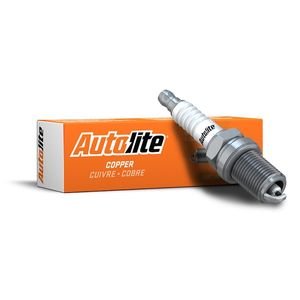
Choosing the right spark plug is one of the simplest yet most impactful decisions you can make for your vehicle's health. The humble spark plug is responsible for igniting the air-fuel mixture in your engine's cylinders thousands of times per minute, and a poor-quality plug can lead to misfires, rough idling, and reduced fuel economy.
Autolite is a brand with over a century of history in the ignition market, but does that legacy translate into modern performance? In this detailed review, we'll examine Autolite spark plugs across key areas like build quality, longevity, engine compatibility, and value for money. By the end, you'll know whether Autolite is the right choice for your car, truck, or powersports vehicle—or if you should look elsewhere. For more on this, see our guide on how often to change spark plugs.
Autolite at a Glance: History and Market Position
Autolite has been manufacturing spark plugs since 1911, making it one of the oldest ignition component brands in North America. The company built its reputation on producing reliable, affordable parts for everyday vehicles, and that focus hasn't changed much over the decades.
Today, Autolite is owned by the FRAM Group and competes directly with major brands like NGK, Denso, Bosch, and Champion. While NGK and Denso dominate original equipment (OE) installations in many Asian vehicles, Autolite holds a strong position in the domestic and aftermarket space, particularly for Ford, GM, and Chrysler owners. For more on this, see our guide on what do spark plugs do on a car.
One of the brand's standout features is its commitment to American manufacturing and quality control. All Autolite spark plugs are produced in facilities that adhere to strict ISO quality standards, and every plug undergoes rigorous testing to ensure it meets OEM specifications.
Types of Autolite Spark Plugs Explained
Not all spark plugs are created equal, and choosing the right material for your engine matters more than you might think. Autolite offers four main product lines, each designed for specific engine types and performance needs. For more on this, see our guide on when should you replace spark plugs.
| Plug Type | Best For | Lifespan (Typical) | Key Advantage |
|---|---|---|---|
| Copper Core | Older engines, budget replacements | 20,000–30,000 miles | Excellent conductivity, lowest cost |
| Platinum | Mainstream modern engines | 60,000–80,000 miles | Balance of longevity and performance |
| Double Platinum | Waste-spark ignition systems | 80,000 miles | Both electrodes resist wear |
| Iridium | High-performance and late-model engines | 100,000+ miles | Strongest spark, longest service life |
Copper Core: The Budget Workhorse
Copper plugs use a copper-core center electrode—a material that offers excellent electrical conductivity. They deliver a very strong spark, which older engines often need for reliable combustion. However, copper is soft, so these plugs wear faster than precious-metal alternatives. If you drive a classic vehicle or a high-mileage beater and want dependable starts without spending much, copper is a sensible pick.
Platinum: The All-Rounder
Platinum plugs use a thin platinum disc on the center electrode, which resists wear far better than copper. This makes them an upgrade for most modern daily drivers. Autolite's single-platinum plugs are a direct replacement for many OEM fitments and offer smoother performance than copper at a modest price premium. For more on this, see our guide on how many spark plugs on a 57 hemi.
Double Platinum: For Waste-Spark Systems
Many modern engines use a "waste-spark" ignition design, where one coil fires two cylinders—meaning one plug sparks from the center electrode outward and the other fires in reverse. This reverse spark direction causes faster wear on the ground electrode. Autolite's double-platinum plugs have platinum on both electrodes, specifically to handle this stress and maintain their gap longer.
Iridium: Maximum Performance and Life
Iridium is one of the hardest metals known, and a tiny iridium tip on the center electrode allows for a sharper, more focused spark. Autolite's iridium XP plugs are the brand's premium offering, engineered for extended intervals and consistent performance under high heat and load. If your owner's manual specifies iridium plugs, these are a direct match. For more on this, see our guide on how often does spark plugs need to be.
Performance Analysis: How Autolite Plugs Behave on the Road
Performance isn't just about peak horsepower—it's about smoothness, consistency, and efficiency over the life of the plug. Here's how Autolite holds up in the three areas that matter most.
Ignition Reliability and Combustion Efficiency
The primary job of a spark plug is to ignite the air-fuel mixture at precisely the right moment. Autolite plugs are manufactured to tight tolerances, and their laser-welded electrodes and precisely gapped tips ensure a strong, consistent spark across all cylinders.
Many drivers report noticeably smoother cold starts and more stable idling after switching from old or worn plugs to fresh Autolites. This improvement is especially pronounced in daily commuters that see a lot of stop-and-go traffic, where incomplete combustion can lead to rough running and excess emissions.
Durability: How Long Do They Actually Last?
Service life depends heavily on the plug material, your engine's condition, and your driving habits. In standard driving conditions:
- Copper core plugs typically need replacement every 30,000 miles.
- Platinum plugs comfortably reach the 60,000–80,000 mile mark.
- Iridium versions can exceed 100,000 miles.
Autolite's electrodes are constructed with nickel-alloy and precious metal tips that resist both electrical erosion and chemical corrosion from combustion byproducts. This means the spark plug gap stays within specification significantly longer than budget brands, preserving performance and preventing the gradual decline in fuel economy that often accompanies worn plugs.
Fuel Economy and Emissions Impact
A worn or fouled spark plug can't efficiently burn fuel, forcing your engine to compensate by injecting more gasoline to maintain power. This wastes money and increases tailpipe emissions.
Autolite's newer designs feature a proprietary firing tip engineering that promotes a faster flame kernel—the initial burn of the air-fuel mixture. A faster flame front means more complete combustion, which translates to better miles-per-gallon and cleaner emissions. While individual results vary by vehicle, many owners report slight but measurable improvements in fuel economy after replacing old plugs with fresh Autolites.
Comparing Autolite to NGK and Bosch
The two biggest competitors Autolite faces are NGK (the world's largest spark plug manufacturer) and Bosch (a German engineering giant). Choosing between them often comes down to your vehicle's origin and your priorities in cost versus OE parts matching.
Cost and Value
Autolite is consistently priced below NGK and Bosch equivalents. This price advantage is significant when you're replacing plugs in a V6 or V8 engine, where you might need six or eight units. For a mainstream sedan, the savings might only amount to $10–$20 per set—a modest difference, but enough to make Autolite attractive on a budget.
Build Quality and Tolerances
In head-to-head testing by mechanics, Autolite plugs are nearly indistinguishable from NGK and Bosch in terms of initial build quality. The electrode alignment is consistent, the threads are clean, and the ceramic insulators are properly sealed. If you're comparing a fresh Autolite iridium plug to an NGK iridium plug, you're unlikely to feel a performance difference during normal driving.
Where Competition Beats Autolite
The main edge that NGK and Bosch hold is in original equipment fitment. Many modern Japanese and European vehicles are shipped from the factory with NGK or Bosch plugs, and some manufacturers require those specific brands to maintain warranty coverage. If your German car owner's manual explicitly specifies Bosch plugs with a particular part number, that's the plug you should install—not from any deficiency in Autolite, but because the engine management system is calibrated for that specific component.
For domestic vehicles and the vast majority of Japanese models, Autolite provides a perfectly compatible alternative at a better price.
What Experts and Owners Say About Autolite
Looking at real-world data from mechanic forums and owner reviews, the consensus on Autolite is largely positive, with a few important caveats.
Professional Mechanic Feedback
Many seasoned mechanics appreciate Autolite for its value and consistent quality. They frequently praise the brand for:
- Dependable performance across a wide range of vehicles, from older American pickup trucks to modern Japanese sedans.
- Ease of installation with clean threads and proper pre-gapping on most models.
- Low warranty claims, indicating solid quality control at the factory.
However, some performance-oriented tuners note that for highly modified or forced-induction engines with extreme cylinder pressures, premium plugs from NGK racing lines offer a wider heat range selection. For a factory-standard vehicle—which is the vast majority of cars on the road—this is rarely a consideration.
Owner Experiences in the Real World
Online reviews across automotive retailers show that the majority of owners report satisfaction with Autolite plugs. The most commonly cited pros are:
- Reliable starts even in cold weather.
- Smoother acceleration with fewer hesitations.
- Long service life matching advertised intervals.
- Budget-friendly pricing doesn't require sacrificing quality.
The most frequent complaint—though relatively uncommon—is occasional misfiring in specific engine models, which highlights the critical importance of checking your vehicle's exact part number fitment. A plug with the wrong heat range, gap size, or thread length won't perform correctly in any brand.
How to Choose the Right Autolite Plug for Your Vehicle
Selecting the correct plug isn't just about grabbing whatever is on the shelf. Follow these steps to ensure a perfect match.
Determine Your Exact Part Number
Your vehicle's owner's manual will list the recommended spark plug type, gap setting, and torque specification. Alternatively, Autolite's online fitment guide lets you enter your vehicle's year, make, and model to find the correct part number instantly matters more than the brand name. An incorrect plug will cause misfires or pre-ignition, regardless of whether it's an Autolite or a premium competitor.
Match the Heat Range
The "heat range" refers to how quickly a plug dissipates heat from its firing tip. This specification is matched to your engine's combustion chamber design. Using a plug that runs too hot can cause pre-ignition; one that runs too cold can foul quickly. The part number chart in your owner's manual or on the Autolite website will specify the correct heat range—always follow it exactly.
Verify the Gap Before Installation
While many Autolite plugs come pre-gapped from the factory, it's crucial to verify the gap with a dedicated spark plug gap tool before installing them. Your vehicle's specified gap may differ. A correct gap ensures the strongest spark without requiring excessive voltage from your ignition coil.
Step-by-Step Installation and Maintenance Tips
Spark plug replacement is one of the most straightforward DIY tasks you can perform in your driveway. Following proper technique prevents parts damage and ensures a good seal.
Safe Installation Practices
- Let the engine cool completely to avoid damaging the aluminum threads in your cylinder head.
- Remove any debris around the spark plug well using compressed air or a clean shop rag to prevent dirt from falling into the cylinder.
- Verify the plug gap with a feeler gauge or coin-style gap tool before insertion.
- Start the plug by hand for the first few turns to prevent cross-threading. If the plug doesn't turn easily, remove it and try again—forcing it will damage the head.
- Torque to specification using a torque wrench. Overtightening can crack the insulator, while undertightening can cause the plug to overheat and fail. The typical spec is 15–20 ft-lbs for most aluminum heads.
Common Signs You Need New Plugs
- Engine misfires, especially under load or during acceleration.
- Rough idling where the engine vibrates or feels shaky at a stop.
- Poor fuel economy noticeably worse than your usual average.
- Hard starting, where the engine cranks longer before catching.
- Check engine light with a code pointing to cylinder misfires (P0300–P0308 series).
Frequently Asked Questions
Are Autolite Plugs as good as NGK and Denso?
For the majority of standard, daily-driver applications, yes—Autolite offers comparable performance and durability at a more budget-friendly price point. The primary exception is for high-performance or racing engines, or vehicles that require a specific OE brand to maintain warranty coverage.
How many miles do Autolite spark plugs last?
Service life depends on the plug type. Copper plugs typically last 20,000–30,000 miles; platinum and double-platinum plugs last 60,000–80,000 miles; and iridium plugs can exceed 100,000 miles. Regular inspection every 30,000 miles is good practice.
Is it easy to replace spark plugs myself?
Yes, with basic hand tools and careful attention to procedure, most vehicle owners can replace their spark plugs in under an hour. The most critical steps are ensuring the engine is cool, using a torque wrench for tightening, and having the correct part number from the start.
What vehicles use Autolite from the factory?
Autolite has served as original equipment for several Ford, Lincoln, and Mercury models over the years. They are also widely accepted as an aftermarket replacement in a broad range of domestic and Asian vehicles.
Conclusion
So, are Autolite spark plugs good? The evidence overwhelmingly points to yes—especially for drivers seeking dependable performance without paying a premium price. Autolite combines over a century of manufacturing experience with modern production techniques and a material lineup that includes options for virtually every vehicle on the road.
The brand's copper and platinum plugs are excellent value replacements for daily drivers, while the iridium XP series competes directly with the best premium plugs available from any competitor. Mechanics consistently vouch for their reliability, and owners report smooth starts, consistent fuel economy, and predictable service life.
The key to success is ensuring you install the correct part number, gap, and heat range for your specific vehicle. When you do, Autolite plugs will deliver the kind of dependable, long-term service that makes good maintenance feel effortless—keeping your engine running smoothly for tens of thousands of miles.





