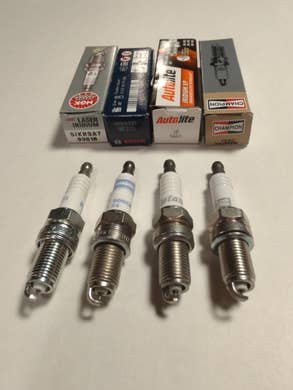
Have you ever wondered if all spark plugs are the same? You might be surprised to learn that not all spark plugs are created equal.
If you’ve ever felt overwhelmed by the choices at your local auto parts store, you’re not alone. The variety can be confusing, but understanding the differences can save you time, money, and even improve your vehicle’s performance. We’re diving into the world of spark plugs to give you clear, straightforward answers.
Imagine your car running smoother and more efficiently just because you made the right choice. Ready to find out what works best for your ride? Let’s get started.

Credit: www.reddit.com
Types Of Spark Plugs
Not all spark plugs are created equal. Choosing the right type can impact your engine’s performance and fuel efficiency. Let’s break down the main types of spark plugs so you can make the best choice for your vehicle.
Copper Spark Plugs
Copper spark plugs are the most basic and affordable option. They have a solid copper core that offers excellent electrical conductivity.
These plugs heat up quickly, which helps prevent fouling in low-speed engines. However, they wear out faster than other types, usually lasting around 20,000 miles.
If you drive an older car or a vehicle with a simple ignition system, copper plugs might be a good fit. Have you noticed your engine misfiring or struggling with cold starts? Copper plugs could be the simple fix.
Platinum Spark Plugs
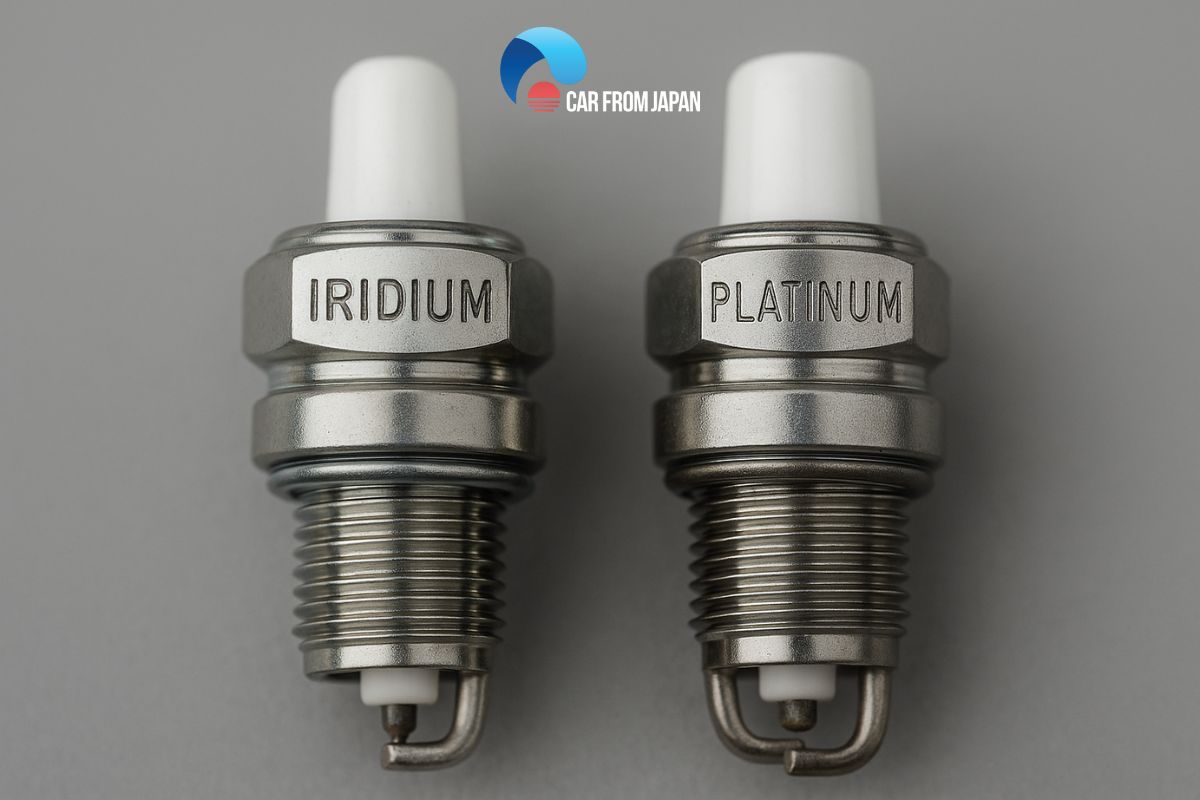
Platinum spark plugs last longer than copper ones because they use a platinum disc welded to the electrode. This metal is harder and more durable, resisting wear and corrosion.
They typically last up to 60,000 miles and maintain good performance over time. Platinum plugs are often found in modern engines that require better efficiency and longevity.
If you want a balance between cost and durability without upgrading to the highest-end plugs, platinum is a solid choice. Are you tired of replacing spark plugs too often? Platinum plugs might save you money and hassle.
Iridium Spark Plugs
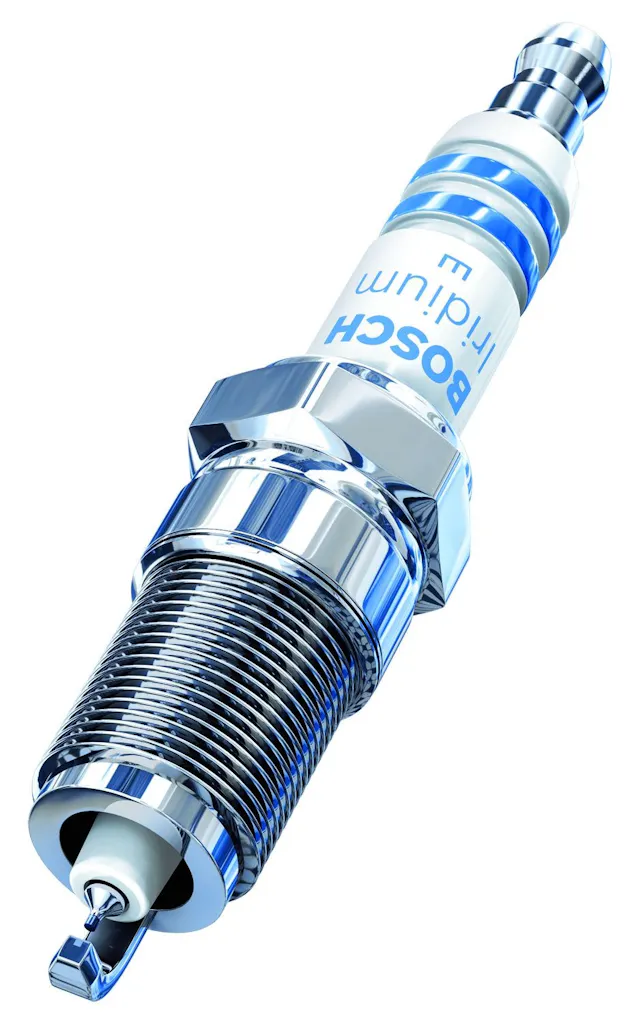
Iridium spark plugs are the premium option, featuring a fine iridium tip that is extremely hard and long-lasting. This allows for a smaller electrode and a more focused spark.
They provide better ignition, improved fuel economy, and can last up to 100,000 miles or more. Many high-performance and newer vehicles come with iridium plugs from the factory.
If you want the best performance and durability, iridium plugs are worth considering. Think about your driving habits—if you cover a lot of miles or demand peak engine efficiency, iridium plugs could be your best investment.
Spark Plug Design Variations
Spark plugs come in many designs, each made for specific engine needs. These design variations affect how the spark plug performs and lasts. Understanding these differences helps choose the right spark plug for your vehicle. The main design factors include electrode setup, heat range, and thread size. Each factor plays a role in engine efficiency and spark quality.
Electrode Configuration
The electrode is where the spark jumps to ignite the fuel. Spark plugs have various electrode shapes and numbers. Some have a single center electrode, while others feature multiple ground electrodes. A fine-wire electrode offers better spark but may wear faster. Different configurations affect spark strength and engine performance.
Heat Range Differences
Heat range means how fast a spark plug heats up and cools down. A hot plug holds more heat, helping burn off deposits quickly. A cold plug stays cooler to avoid overheating in high-performance engines. Using the wrong heat range can cause engine knocking or fouling. Always pick a heat range that matches your engine type and driving style.
Thread Size And Reach
Thread size refers to the diameter and length of the spark plug’s threaded part. Reach is how far the spark plug extends into the combustion chamber. Using the right thread size ensures a proper fit and seal. Incorrect reach can damage the engine or lower performance. Check your vehicle’s manual for the correct thread size and reach.
Performance And Longevity
Spark plugs might look similar at a glance, but their performance and longevity can vary widely. Choosing the right spark plug affects how well your engine runs and how often you need to replace parts. Understanding these differences helps you get the most out of your vehicle’s ignition system.
Durability Factors
Not all spark plugs are built to last the same amount of time. The material used, such as copper, platinum, or iridium, plays a big role in durability. Iridium plugs, for example, tend to last much longer because of their harder and more heat-resistant properties.
Your driving habits also impact spark plug life. Frequent short trips or stop-and-go traffic can wear plugs out faster compared to steady highway driving. Have you noticed your spark plugs wearing out quicker in city traffic?
Impact On Engine Efficiency
The right spark plug ensures efficient combustion, which improves fuel economy and reduces emissions. Poor quality or worn-out spark plugs can cause misfires, rough idling, and even lower power output. This means your engine works harder and consumes more fuel.
Choosing a spark plug designed for your engine’s specific needs helps maintain smooth acceleration and better throttle response. Think about how much smoother your car runs after a fresh set of plugs—don’t you want that consistent performance every day?
Maintenance Intervals
Different spark plugs require different replacement intervals. Copper plugs usually need changing every 20,000 to 30,000 miles, while platinum and iridium plugs can last up to 100,000 miles. Knowing this helps you plan your vehicle maintenance more effectively.
Ignoring spark plug wear can lead to costly engine repairs down the line. Regularly checking your plugs during oil changes or tune-ups saves you time and money. When was the last time you inspected your spark plugs?
Credit: www.moderntiredealer.com
Choosing The Right Spark Plug
Choosing the right spark plug can make a big difference in your engine’s performance and longevity. Not all spark plugs are created equal, and picking the wrong one might lead to inefficient fuel use or even damage. Understanding what fits your vehicle and driving style is key to getting the most out of your ride.
Manufacturer Recommendations
Your vehicle’s manufacturer knows best what spark plugs work well with your engine. Check your owner’s manual or the manufacturer’s website for the recommended spark plug type, size, and heat range. Using the recommended spark plug ensures optimal combustion and helps maintain your warranty.
For example, if your car calls for iridium plugs, switching to a cheaper copper plug might save money now but could cause misfires or reduced fuel efficiency. Have you ever ignored these guidelines and faced engine trouble? Sticking to the manufacturer’s advice avoids that risk.
Driving Conditions
Think about how you use your vehicle daily. Do you mostly drive in stop-and-go city traffic, or do you take long highway trips? Different driving conditions affect the ideal spark plug choice.
If your engine runs hot or you often tow heavy loads, a spark plug with a colder heat range might help prevent overheating. On the other hand, if you drive short distances or in cold weather, a hotter plug can improve ignition performance. What kind of driving do you do most, and have you noticed any spark plug issues related to it?
Cost Vs. Benefits
Spark plugs come in a range of prices, from budget-friendly copper to premium platinum or iridium types. While cheaper plugs save money upfront, they usually wear out faster and may require more frequent changes.
Investing in higher-quality spark plugs can lead to smoother starts, better fuel economy, and longer service intervals. Consider how much time and money you spend on maintenance. Would paying a bit more now reduce hassles later? Balancing initial cost against long-term benefits is key to smart spark plug choices.
Common Misconceptions
Many people believe all spark plugs are the same. This is not true. Spark plugs vary by size, material, and design. These differences affect engine performance and lifespan. Misunderstanding these details leads to poor choices and engine issues.
Interchangeability Myths
Not all spark plugs fit every engine. Each engine requires specific spark plug sizes and heat ranges. Using the wrong plug can cause misfires or damage. Always check the vehicle manual before buying spark plugs.
Effect On Fuel Economy
Some think spark plugs do not affect fuel economy. Good plugs improve combustion efficiency. This leads to better fuel use and lower emissions. Worn or incorrect plugs cause incomplete burning and waste fuel.
Spark Plug Upgrades
Upgrading spark plugs can boost engine performance. Iridium or platinum plugs last longer and spark better. Yet, not all engines benefit equally from upgrades. Choose upgrades based on engine type and driving needs.
Credit: carfromjapan.com
Frequently Asked Questions
Are All Spark Plugs Interchangeable In Engines?
No, spark plugs are not fully interchangeable. Different engines require specific spark plug sizes and heat ranges for optimal performance.
What Types Of Spark Plugs Are Available?
Common types include copper, platinum, and iridium plugs. Each offers different durability, performance, and cost benefits.
How Do Spark Plugs Affect Engine Performance?
Spark plugs influence ignition efficiency, fuel economy, and emissions. Using the correct plug ensures smooth starts and optimal engine power.
Can Using The Wrong Spark Plug Cause Damage?
Yes, the wrong spark plug can lead to misfires, poor fuel economy, and potential engine damage over time.
Conclusion
Not all spark plugs are the same. Different engines need different types. Choosing the right spark plug helps your engine run well. It can save fuel and reduce problems. Pay attention to heat range, size, and material. Using the wrong plug can cause poor performance.
Always check your vehicle’s manual for guidance. Proper spark plugs keep your car healthy and strong. Small details matter for smooth driving and long engine life.





