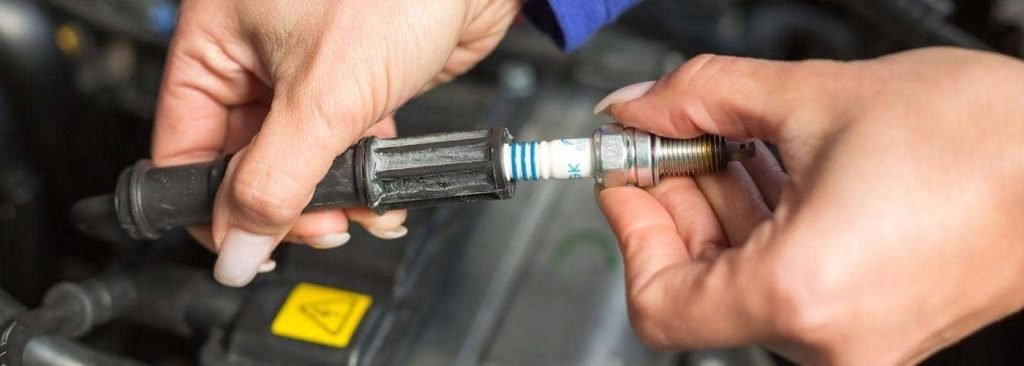
Have you ever wondered how often your spark plugs need to be changed? If you’re like most drivers, you probably don’t think about them until your car starts acting up.
But did you know that worn-out spark plugs can affect your car’s performance, fuel efficiency, and even cause engine trouble? Knowing the right time to replace them can save you money and keep your vehicle running smoothly. You’ll discover the signs to watch for and the best schedule to follow to keep your spark plugs—and your car—in top shape.
Keep reading to find out exactly when and why you should change your spark plugs.
Credit: modernautoparts.co.za
Spark Plug Lifespan
Spark plug lifespan is a key factor in keeping your vehicle running smoothly. These small components play a big role in engine performance, fuel efficiency, and overall reliability. Knowing how long your spark plugs last helps you avoid unexpected breakdowns and costly repairs.
Typical Replacement Intervals
Most spark plugs need to be replaced every 30,000 to 50,000 miles. However, some modern spark plugs, like iridium or platinum types, can last up to 100,000 miles. Check your vehicle’s manual to find the recommended interval for your specific make and model.
Have you ever wondered why your car feels sluggish sometimes? Worn spark plugs might be the cause if you haven’t replaced them within the suggested timeframe. Regularly changing them keeps your engine firing efficiently.
Factors Affecting Longevity
Several factors can shorten or extend spark plug life. Driving habits, such as frequent short trips or aggressive acceleration, can wear plugs faster. Harsh weather conditions and poor fuel quality also play a role.
Engine issues like oil leaks or improper air-fuel mixture can cause spark plugs to foul prematurely. If you notice misfires or rough idling, it might be time to inspect your plugs regardless of mileage. Paying attention to these details helps you decide when to replace them.
Types Of Spark Plugs
Spark plugs come in different types, each designed for specific engine needs. Choosing the right type helps your engine run smoothly and last longer. Understanding these types makes it easier to know how often to change them.
Copper
Copper spark plugs have a solid copper core. They conduct electricity well, making them good for older engines. They wear out faster than other types. Usually, they need changing every 20,000 to 30,000 miles.
Platinum
Platinum spark plugs last longer than copper ones. They have a platinum tip that resists wear and heat. These plugs can work well for 60,000 miles or more. They provide better performance and fuel efficiency.
Iridium
Iridium spark plugs are the most durable and efficient. Iridium is harder and melts at a higher temperature. These plugs can last up to 100,000 miles. They offer better ignition and improve engine power.
Signs Of Worn Spark Plugs
Worn spark plugs affect your vehicle’s performance and fuel use. Recognizing their signs helps avoid bigger issues. Watch for these common symptoms indicating spark plug wear.
Engine Misfires
Engine misfires cause rough idling and jerking while driving. This happens when spark plugs fail to ignite fuel properly. Misfires reduce engine power and increase emissions. They signal spark plugs need inspection or replacement.
Reduced Fuel Efficiency
Worn spark plugs lower fuel efficiency noticeably. They cause incomplete combustion, wasting fuel. You might notice more frequent visits to the gas station. Replacing spark plugs restores better mileage and saves money.
Starting Problems
Old spark plugs make starting the engine hard. The car may crank longer or not start at all. This is due to weak or no sparks in the cylinders. Timely spark plug changes prevent frustrating start-up issues.
Checking Spark Plug Condition
Checking the condition of your spark plugs is essential to keep your engine running smoothly. By inspecting them regularly, you can catch problems early and avoid costly repairs. Let’s look at how you can evaluate your spark plugs yourself.
Visual Inspection
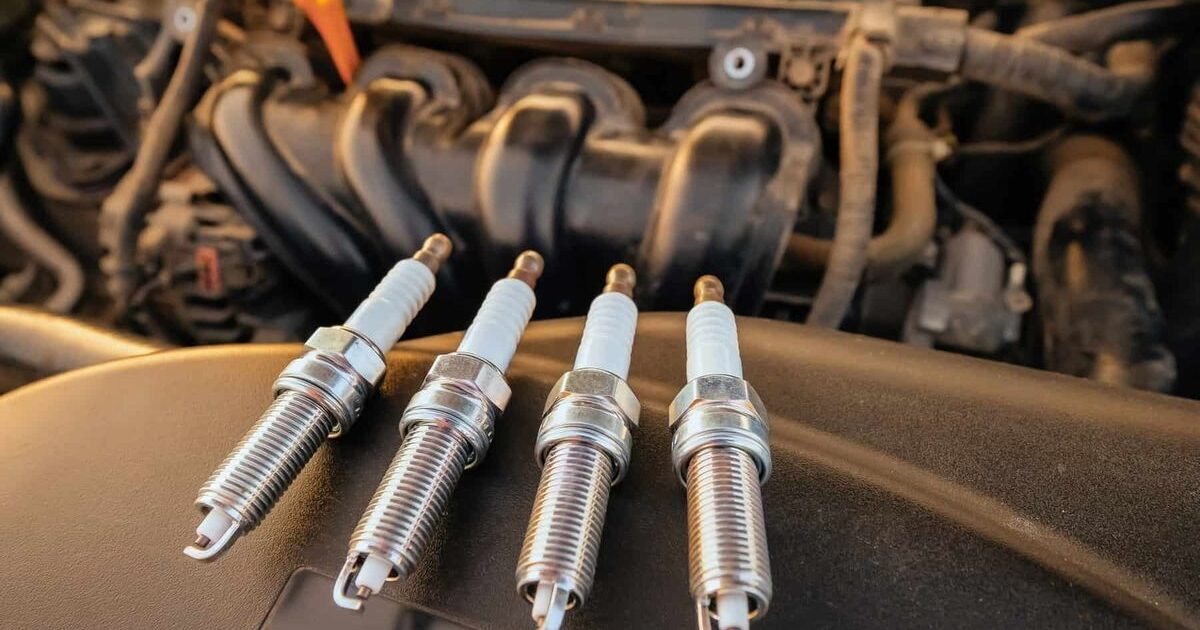
Start by removing the spark plug and examining its appearance closely. Look for signs like black soot, oily deposits, or worn electrodes. These can indicate issues such as a rich fuel mixture, oil leaks, or simply normal wear.
Pay attention to cracks or chips on the ceramic insulator. Even small damage can affect performance and cause misfires. If you spot anything unusual, it’s a clear sign your spark plug needs replacement.
Measuring Electrode Gap
The gap between the spark plug’s electrodes is critical for proper ignition. Use a feeler gauge to measure this gap and compare it with your vehicle’s recommended specifications. A gap that’s too wide or too narrow can cause poor fuel combustion.
Adjusting the gap is possible with some spark plugs, but excessive wear means it’s better to replace them. Have you checked your electrode gap recently? It’s a simple step that can boost your engine’s efficiency and save you fuel.
Changing Spark Plugs
Changing spark plugs is a key part of keeping your engine running smoothly. Over time, spark plugs wear out and can cause misfires, rough idling, or poor fuel economy. Knowing how to replace them yourself saves time and money, and gives you confidence in your vehicle’s upkeep.
Tools Needed
- Spark plug socket:A special socket with rubber padding to hold the plug securely.
- Ratchet wrench:To turn the socket and loosen or tighten the plugs.
- Socket extension:Helps reach plugs that are deep in the engine.
- Torque wrench:Ensures plugs are tightened to the correct specification.
- Gap gauge:To check and adjust the spark plug gap.
- Dielectric grease:Optional, but useful to prevent spark plug boots from sticking.
Step-by-step Replacement
First, let your engine cool completely to avoid burns. Locate the spark plugs by following the ignition wires or coil packs.
Remove one spark plug wire or coil pack at a time to avoid mixing them up. Gently twist and pull to disconnect.
Use the spark plug socket and ratchet to carefully loosen and remove the old plug. Keep the socket straight to avoid damaging the threads.
Check the gap on your new spark plug using the gap gauge. Adjust the gap if it doesn’t match your vehicle’s specifications exactly.
Thread the new plug in by hand to avoid cross-threading, then tighten with the torque wrench. Applying dielectric grease inside the boot helps with future removal.
Reconnect the spark plug wire or coil pack firmly, then move on to the next plug. Changing one at a time helps ensure everything goes back in the right place.
Ever wondered why your engine feels sluggish sometimes? Worn spark plugs might be the cause. Replacing them is easier than you think and can make a noticeable difference right away.
Credit: www.westsideauto.com.au
Maintenance Tips
Maintaining spark plugs extends their life and keeps your engine running smooth. Simple care habits prevent early wear and improve performance. Follow these maintenance tips to get the most from your spark plugs.
Regular Engine Tune-ups
Schedule engine tune-ups regularly to check spark plugs and engine parts. Mechanics can spot worn plugs and replace them before problems start. Clean plugs burn fuel better and reduce emissions. Tune-ups keep your engine efficient and save fuel.
Using Quality Fuel
Use good quality fuel to protect spark plugs from deposits. Low-quality fuel leaves residue that clogs plugs and causes misfires. Clean fuel helps spark plugs fire consistently and last longer. Avoid cheap fuel to maintain smooth engine performance and spark plug health.
Impact On Vehicle Performance
The condition of your spark plugs directly affects how well your vehicle performs. Worn-out or dirty spark plugs can cause misfires, reduce fuel efficiency, and make your engine struggle. Understanding how often to change them can keep your car running smoothly and save you from costly repairs down the road.
Improved Acceleration
Have you noticed your car hesitating or feeling sluggish when you press the gas pedal? This is often due to spark plugs losing their ability to ignite the fuel-air mixture properly. Fresh spark plugs create a strong, consistent spark that helps your engine respond quickly.
Replacing spark plugs at the right time can restore your vehicle’s quick acceleration. You’ll feel the difference in how your car picks up speed without lag. This simple maintenance can turn a frustrating driving experience into a smooth and responsive ride.
Lower Emissions
Dirty or old spark plugs cause incomplete combustion, which increases harmful emissions from your vehicle. This not only affects air quality but can also lead to failing an emissions test. Clean and efficient spark plugs help your engine burn fuel completely, reducing pollutants.
By changing your spark plugs regularly, you contribute to a cleaner environment and avoid fines or repair costs related to emissions issues. It’s a small step that makes a big impact on both your car’s health and the planet.

Credit: www.acg.aaa.com
Frequently Asked Questions
How Often Should Spark Plugs Be Replaced?
Spark plugs typically need replacement every 30,000 to 100,000 miles. Check your car manual for exact intervals. Regular replacement ensures efficient engine performance and fuel economy.
What Are Signs Of Worn Spark Plugs?
Worn spark plugs cause engine misfires, rough idling, and poor acceleration. You may also notice reduced fuel efficiency and difficulty starting the engine.
Can Spark Plugs Last Over 100,000 Miles?
Some modern spark plugs last over 100,000 miles, especially iridium types. However, regular inspection is vital to maintain engine health and prevent issues.
Does Driving Style Affect Spark Plug Life?
Yes, aggressive driving and frequent short trips can wear spark plugs faster. Gentle driving and proper maintenance help extend their lifespan.
Conclusion
Regularly changing spark plugs ensures your car runs smoothly. Most vehicles need new spark plugs every 30,000 to 100,000 miles. This range depends on your car type and driving habits. Check your car’s manual for the best schedule. Notice any signs of wear, like poor acceleration or misfiring?
It might be time for new spark plugs. Regular checks save money and boost performance. Keep your engine healthy with timely spark plug changes. It’s a simple task that makes a big difference. Stay proactive and enjoy a smoother ride.





