Are you ready to change your spark plugs but unsure which socket to use? Picking the right socket might seem simple, but using the wrong one can damage your plugs or make the job harder than it needs to be.
Imagine saving time and avoiding frustration by knowing exactly what tool fits perfectly every time. You’ll discover the best socket types for spark plugs, how to choose the right size, and expert tips to make your spark plug replacement smooth and stress-free.
Keep reading, and you’ll be ready to tackle this task like a pro.
Types Of Spark Plug Sockets
Choosing the right socket for spark plugs can make your car maintenance much easier and safer. Different types of spark plug sockets are designed to handle specific challenges, such as tight spaces or ensuring a secure fit. Understanding these types helps you pick the perfect tool for your task and avoid damage to your spark plugs or engine.
Standard Sockets
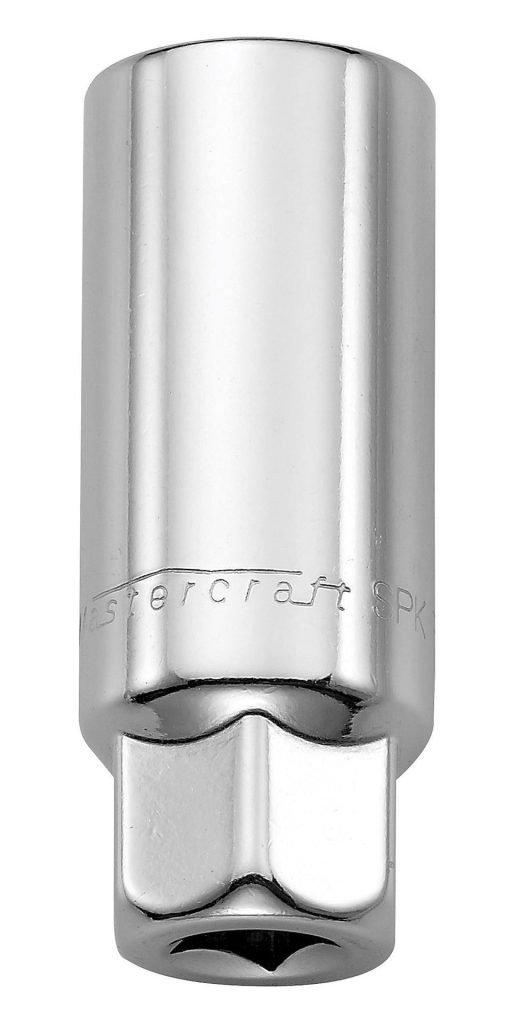
Standard spark plug sockets are the most common and straightforward option. They typically have a rubber insert or foam pad inside to grip the spark plug firmly, preventing it from falling out during installation or removal.
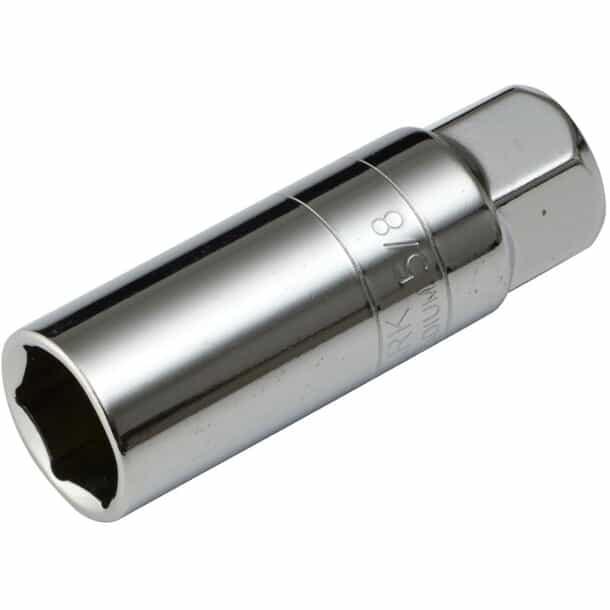
If you’ve ever tried changing a spark plug without the right socket, you know how easily the plug can slip and get damaged. Standard sockets come in sizes like 5/8-inch and 13/16-inch, so you need to know your spark plug size before buying one.
Magnetic Sockets
Magnetic sockets use a magnet instead of rubber to hold the spark plug securely. This can be a game-changer if you’re working in a tight engine bay where dropping a spark plug could cause serious trouble.
One time, I switched to a magnetic socket while working on a cramped engine, and it saved me from several near disasters. The magnetic hold keeps the plug stable, making removal and insertion smoother and faster.
Swivel Sockets
Swivel sockets come with a flexible joint that lets you reach spark plugs positioned at awkward angles. These are especially useful if your engine design makes it hard to access the plugs directly.
Imagine trying to get a spark plug out that’s buried behind other components—without a swivel socket, you might struggle or even damage nearby parts. The swivel joint gives you the extra maneuverability to work comfortably and efficiently.
Socket Sizes For Spark Plugs
Choosing the right socket size for spark plugs is essential for a smooth repair job. Using the wrong size can damage the spark plug or the engine. Spark plug sockets come in different sizes based on the vehicle and spark plug type. Understanding these sizes helps you find the perfect fit quickly.
Common Metric Sizes
Most modern vehicles use metric spark plug sockets. The common sizes include:
- 16mm – used for smaller spark plugs
- 18mm – the most common size for many cars
- 21mm – found in some larger or older spark plugs
Metric sizes are measured across the flats of the socket. Make sure to check your vehicle manual for the exact size.
Imperial Sizes
Older cars or some American models may require imperial-sized sockets. Typical sizes are:
- 5/8 inch (approximately 16mm)
- 13/16 inch (approximately 21mm)
These sizes work the same way as metric sockets but use inches instead of millimeters.
Choosing The Correct Size
Selecting the right socket size protects the spark plug and engine threads. Use a spark plug socket with a rubber insert to hold the plug securely. Confirm the size by measuring the spark plug hex or checking the vehicle guide. Always use a socket designed for spark plugs, not a regular one.
Materials And Build Quality
The materials and build quality of spark plug sockets directly impact how well they perform and how long they last. Choosing the right socket means you avoid stripped threads, rounded edges, and wasted time. Understanding what makes a socket reliable helps you invest in tools that work smoothly every time.
Chrome Vanadium Steel
Chrome vanadium steel is a popular choice for spark plug sockets due to its strength and resistance to wear. This alloy combines chromium and vanadium with steel, making the socket tough enough to handle high torque without cracking.
When you use a chrome vanadium socket, you get a balance of hardness and flexibility. This means the tool can withstand the occasional slip or impact without breaking. Have you noticed how some sockets feel flimsy? That’s often due to cheaper materials that can’t handle the job.
Impact-resistant Sockets
Impact-resistant sockets are designed for heavy-duty use and can handle the power of impact wrenches. They’re usually made from tougher grades of steel and have thicker walls to absorb shocks.
If you work on engines frequently, investing in impact-resistant sockets saves you from frequent replacements. They won’t chip or deform easily, even if you accidentally overtighten a spark plug. Do you rely on your tools for quick repairs? Then durability under impact is crucial.
Durability Factors
Durability depends not just on the material but also on the socket’s finish and design. Look for sockets with corrosion-resistant coatings like black oxide or phosphate finishes to prevent rust.
The build quality also includes precise machining of the socket’s interior. This ensures a snug fit on the spark plug, reducing the chance of slipping or rounding the plug edges. Have you ever struggled with a socket that just wouldn’t grip properly? That’s a sign the socket’s build quality isn’t up to standard.
- Material strength
- Corrosion resistance
- Precise machining
- Thickness and wall strength
Choosing a socket with these durability factors in mind means fewer frustrations and a smoother experience when working on your engine.

Credit: www.amazon.ca
Features To Consider
Selecting the right socket for spark plugs requires attention to key features. These features affect how well the socket holds the spark plug and fits your tools. Choosing the correct socket makes the job easier and safer. Consider the following aspects before buying a spark plug socket.
Rubber Inserts Vs. Magnetic Holders
Rubber inserts protect the spark plug’s ceramic insulator. They hold the plug firmly without causing damage. Magnetic holders use magnets to keep the spark plug in place. They allow quick installation and removal. Rubber inserts offer better protection, while magnetic holders provide faster handling. Choose based on your preference for safety or speed.
Drive Size Compatibility
Drive size refers to the socket’s connection to your wrench or ratchet. Common sizes include 3/8 inch and 1/2 inch. Make sure the socket matches your tool’s drive size for proper fit. Using the wrong size can strip bolts or cause slippage. Check your tools before purchasing a spark plug socket.
Socket Length Options
Sockets come in different lengths: standard, deep, and extra deep. Standard sockets work well for accessible spark plugs. Deep sockets reach plugs located in tight or recessed areas. Extra deep sockets provide extra reach for hard-to-access plugs. Choose the length based on your engine’s spark plug position. The right length improves access and prevents damage.
Using Spark Plug Sockets Safely
Using spark plug sockets safely is crucial to protect both your spark plugs and your engine. These specialized tools are designed to fit snugly around spark plugs, allowing you to install or remove them without causing damage. Yet, many users overlook key safety practices that can make all the difference in the longevity of your spark plugs and the performance of your vehicle.
Proper Installation Techniques
Start by ensuring the spark plug socket matches the size and type of your spark plugs. Using the correct socket prevents slipping and stripping the plug’s hexagonal shape. Always attach a rubber insert or magnetic core inside the socket to grip the spark plug firmly during removal or installation.
Hand-thread the spark plug into the cylinder head first. This avoids cross-threading, which can damage both the plug and the engine. Only after the plug is seated correctly should you use the socket and ratchet to tighten it.
Avoiding Damage To Spark Plugs
Never use excessive force with the socket. Over-tightening can crack the ceramic insulator or break the plug’s tip, leading to costly repairs. Similarly, dropping spark plugs can create invisible fractures that cause misfires later on.
Clean the spark plug well before installation. Dirt or debris trapped in the threads can ruin the seal and cause engine performance issues. If you’ve ever tried to fix a misfire caused by a damaged spark plug, you know how important this simple step is.
Torque Specifications
Using a torque wrench is the best way to apply the correct tightness to your spark plugs. Each vehicle specifies a torque range, often between 15 to 30 foot-pounds, which ensures the plug is secure without being over-tightened.
Check your vehicle’s manual or service guide for the exact torque specs. If you don’t have a torque wrench, tighten the plug until it’s snug, then give it a quarter turn more. However, this method risks under- or over-tightening, so investing in a torque wrench pays off.
Top Brands And Recommendations
Choosing the right socket for spark plugs is vital for easy and safe engine maintenance. Trusted brands offer tools that fit well and last long. This section highlights top brands and recommendations to help pick the best socket for your needs.
Professional Grade Tools
Professional tools offer high durability and precision. Brands like Snap-On, Craftsman, and Tekton produce sockets designed for heavy use. These sockets often feature strong materials and exact sizing. They reduce the risk of damaging spark plugs or engines. Professionals prefer these for reliable performance every time.
Budget-friendly Options
Affordable sockets can still provide good quality. Brands such as DEWALT, GearWrench, and Neiko offer budget-friendly choices. These options suit DIYers and casual users. They balance price and durability well. Ideal for occasional spark plug changes without overspending.
Customer Reviews And Ratings
Customer feedback helps identify the best sockets. Look for products with high ratings and positive comments. Many users praise sockets that fit spark plugs snugly and last long. Common points include ease of use and strong build quality. Reviews reveal real-world performance beyond brand promises.
Maintenance And Storage Tips
Proper maintenance and storage of spark plug sockets extend their life and keep them ready for use. Caring for these tools prevents damage and ensures accurate work on your engine. Regular attention to cleanliness, rust prevention, and organization helps avoid frustrations during repairs.
Cleaning Spark Plug Sockets
Remove dirt and grease after each use to keep sockets clean. Use a soft cloth or brush to wipe away debris. For stubborn grime, soak sockets in warm soapy water briefly. Dry them thoroughly with a clean towel to stop moisture buildup.
Preventing Rust And Wear
Store sockets in a dry place to avoid rust formation. Apply a light coat of machine oil on metal surfaces for protection. Avoid dropping or banging sockets to prevent dents and cracks. Regularly inspect sockets for signs of wear or damage.
Organizing Your Tool Kit
Keep spark plug sockets in a dedicated case or tray. Arrange sockets by size for quick access during repairs. Label compartments to find the right tool fast. Use foam inserts or dividers to prevent sockets from knocking together.
Credit: www.homehardware.ca

Credit: www.amazon.ca
Frequently Asked Questions
What Size Socket Fits Most Spark Plugs?
Most spark plugs use a 5/8-inch or 13/16-inch socket size. Check your vehicle’s manual for exact specifications.
Can I Use A Regular Socket For Spark Plugs?
No, a spark plug socket has a rubber insert to protect the plug. Regular sockets may damage the ceramic insulator.
Why Use A Deep Socket For Spark Plugs?
Deep sockets reach recessed spark plugs easily. They prevent damage to plugs and ensure proper installation and removal.
How To Choose The Right Spark Plug Socket?
Select a socket matching your spark plug size and vehicle type. A magnetic or rubber-lined socket is best for grip.
Conclusion
Choosing the right socket for spark plugs is crucial. It ensures smooth and efficient performance. Always match the socket size to your spark plug. This prevents damage and ensures a snug fit. Keep a socket set in your toolbox for different sizes.
Regular checks and maintenance extend your engine’s life. Investing time in understanding your tools saves hassle later. Next time, you’ll know exactly what to do. Enjoy a smoother ride and peace of mind. Your engine will thank you. Happy driving!





