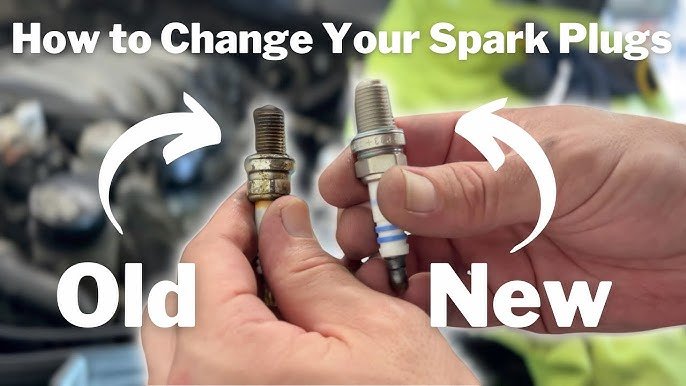
Your car’s spark plugs play a small but mighty role in keeping your engine running smoothly. But how do you know when it’s time to change them?
Ignoring worn-out spark plugs can lead to poor performance, lower fuel efficiency, and even engine trouble. You’ll discover clear signs to watch for and simple tips to help you decide the right moment to replace your spark plugs. Keep reading to save money, avoid breakdowns, and keep your ride running like new.
Symptoms Of Worn Spark Plugs
Recognizing the symptoms of worn spark plugs can save you from unexpected car troubles and costly repairs. Spark plugs play a key role in your vehicle’s ignition system, and when they wear out, your engine’s performance starts to slip. Paying attention to these warning signs helps you decide the right time to replace them, keeping your car running smoothly.
Engine Misfires
One of the most obvious signs of worn spark plugs is engine misfires. You might feel your car hesitating or jolting during acceleration. This happens because the spark plugs fail to ignite the fuel-air mixture properly.
If your engine sounds rough or stumbles, don’t ignore it. Misfires can damage other engine parts if left unchecked. Have you noticed your car sputtering or losing power unexpectedly?
Poor Fuel Economy
Worn spark plugs cause inefficient combustion, which leads to higher fuel consumption. You may find yourself filling the tank more often without changing your driving habits. This drop in fuel efficiency directly affects your wallet.
Tracking your mileage can reveal subtle changes. If your car’s miles per gallon (MPG) drops significantly, inspect the spark plugs. Could your spark plugs be costing you extra money at the pump?
Difficulty Starting
Struggling to start your car is another red flag. Worn spark plugs can make ignition harder because they don’t generate a strong enough spark. You might notice your engine cranking longer before it fires up.
Cold mornings can highlight this problem even more. If you find yourself turning the key multiple times, it’s time to check those plugs. How often do you face delays when starting your car?
Rough Idling
When your engine runs unevenly while idling, worn spark plugs could be the culprit. The engine may shake or vibrate more than usual when the car is stationary. This rough idling signals incomplete combustion cycles.
Listen closely during red lights or stops. A smooth idle is a sign of healthy plugs, while roughness means it’s time for a change. Have you noticed your engine trembling while waiting at a stoplight?
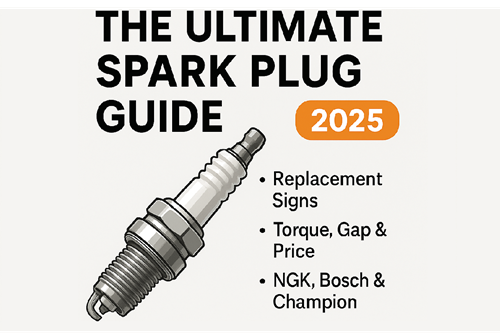
Credit: modernautoparts.co.za
Visual Inspection Tips
Visual inspection is one of the easiest and most effective ways to decide if your spark plugs need changing. By simply looking closely at the spark plugs, you can spot signs of wear or damage that affect your engine’s performance. Knowing what to look for saves you time and money on unnecessary replacements.
Checking For Carbon Deposits
Look for dry, black soot on the spark plug’s tip. This carbon buildup can block the spark and cause misfires or rough idling. If the deposits are thick or flaky, it’s a clear sign the spark plug isn’t firing properly and should be replaced.
Think about the last time your car hesitated or struggled to start. That could be the result of these carbon deposits. Cleaning might help temporarily, but heavy deposits usually mean it’s time for a new spark plug.
Examining Electrode Wear
Focus on the center and ground electrodes. Over time, they become rounded or eroded, increasing the gap and reducing spark efficiency. If the gap looks larger than the manufacturer’s specification, the spark plug’s performance is compromised.
Wear can look subtle at first, but don’t underestimate small changes. Even a slight rounding can lead to poor fuel economy and engine trouble. Carry a feeler gauge with you for an accurate check during inspections.
Detecting Oil Or Fuel Fouling
If the spark plug appears wet or oily, it’s a sign of oil leaking into the combustion chamber. Fuel fouling shows as a dark, shiny coating from excess fuel not burning correctly. Both conditions prevent proper sparking and signal that your spark plugs need attention.
Have you noticed your engine running rough after a cold start? Oil or fuel fouling could be the reason. Catching this early helps you avoid costly engine repairs down the road.
Mileage And Time Guidelines
Understanding the right time to change your spark plugs is crucial for keeping your engine running smoothly. Spark plugs wear down over time and mileage, but the exact timing can vary depending on several factors. Paying attention to mileage and time guidelines can help you avoid performance issues and costly repairs.
Recommended Replacement Intervals
Most car manufacturers suggest replacing spark plugs between 30,000 to 100,000 miles. This wide range depends on the type of spark plug your vehicle uses.
- Standard copper spark plugs typically need changing every 30,000 to 50,000 miles.
- Platinum or iridium plugs can last longer, often up to 60,000 to 100,000 miles.
Time also plays a role. Even if you don’t hit the mileage mark, spark plugs can degrade over 3 to 5 yearsdue to moisture and corrosion.
Think about how often you drive. If your car sits unused for long periods, your spark plugs might need replacement sooner than mileage alone suggests.
Factors Affecting Spark Plug Lifespan
Several conditions can shorten the life of your spark plugs beyond just miles and years. Harsh driving habits like frequent stop-and-go traffic or rapid acceleration increase wear.
- Engine overheating or oil leaks can foul spark plugs quickly.
- Using the wrong type or gap size for your engine affects efficiency and longevity.
- Fuel quality and additives can also impact how long your spark plugs last.
Have you noticed rough idling, trouble starting, or reduced fuel economy? These signs could indicate your spark plugs need checking before the recommended intervals.
Knowing these mileage and time guidelines helps you plan maintenance. But tuning in to your car’s behavior can prevent unexpected breakdowns and keep your ride smooth.

Credit: www.reddit.com
Impact Of Driving Conditions
The conditions under which you drive have a significant effect on how quickly your spark plugs wear out. Understanding these factors can help you decide when it’s time to replace them, ensuring your engine runs smoothly and efficiently.
City Vs. Highway Driving
City driving often means frequent stops, idling, and lower speeds. This can cause spark plugs to foul faster because the engine doesn’t reach its ideal operating temperature consistently.
Highway driving, on the other hand, typically involves steady speeds and longer runs. This allows the spark plugs to burn cleaner and last longer. If you mostly drive in the city, you might need to check your spark plugs more often.
Have you noticed your car hesitating or misfiring during stop-and-go traffic? That’s a clue your plugs might be struggling with city conditions.
Effect Of Extreme Temperatures
Both very hot and very cold temperatures can impact spark plug performance. In cold weather, plugs may wear out quicker because the engine struggles to warm up, leading to more fouling and deposits.
Hot climates can cause the spark plug’s electrodes to overheat, which reduces their lifespan. If you live somewhere with extreme temperatures, pay closer attention to your spark plugs and consider checking them more frequently.
Think about the last time you experienced rough starts in freezing weather or overheating in summer. These are signs your spark plugs might be affected by temperature extremes.
Tools For Diagnosing Spark Plugs
Diagnosing spark plugs requires the right tools to check their condition accurately. These tools help detect problems early and prevent engine issues. Using proper diagnostic tools saves time and money by avoiding unnecessary replacements.
Using A Spark Plug Tester
A spark plug tester checks if the spark plug produces a strong spark. It is a simple and affordable tool. Connect the tester to the spark plug and crank the engine. Watch for a bright, blue spark inside the tester. A weak or no spark means the plug needs replacement. This tool helps find spark plug problems quickly and clearly.
Engine Diagnostic Scanners
Engine diagnostic scanners read error codes from the car’s computer. These codes can point to spark plug or ignition system issues. Plug the scanner into the car’s OBD-II port. It shows any misfires or related faults. Scanners provide detailed information on engine health. They help confirm if spark plugs cause engine problems. Using a scanner gives a deeper understanding of spark plug condition.

Credit: www.reddit.com
Benefits Of Timely Spark Plug Replacement
Replacing spark plugs on time brings many benefits to your vehicle. It helps keep the engine running smoothly and saves money on fuel. Clean and efficient spark plugs also lower harmful emissions. These advantages improve your car’s overall health and performance.
Improved Engine Performance
New spark plugs create a stronger spark for better combustion. This leads to easier starts and smoother acceleration. The engine runs more quietly and responds faster. Timely replacement prevents misfires and rough idling, making driving more enjoyable.
Enhanced Fuel Efficiency
Fresh spark plugs burn fuel more completely. This reduces wasted fuel and increases miles per gallon. Better fuel efficiency means fewer trips to the gas station. It also lowers your spending on fuel over time.
Reduced Emissions
Properly firing spark plugs cut down on harmful gases released. This helps your car meet emission standards and protects the environment. Clean combustion reduces smoke and pollutants from your exhaust. It contributes to cleaner air and a healthier planet.
Frequently Asked Questions
How Often Should Spark Plugs Be Replaced?
Spark plugs typically last 30,000 to 100,000 miles. Check your vehicle’s manual for specific intervals. Regular inspection helps prevent engine issues and maintains fuel efficiency.
What Are Signs Of Worn Spark Plugs?
Common signs include engine misfires, rough idling, poor fuel economy, and difficulty starting. These symptoms indicate spark plugs may need replacement to ensure smooth engine performance.
Can Bad Spark Plugs Cause Engine Problems?
Yes, faulty spark plugs can cause misfires, reduced power, and increased emissions. Replacing them promptly prevents further engine damage and keeps your vehicle running efficiently.
How To Check Spark Plugs Condition?
Remove the spark plug and inspect the electrode for wear, carbon deposits, or oil fouling. A clean, intact plug indicates good condition, while damage or buildup signals replacement is needed.
Conclusion
Recognizing when spark plugs need changing keeps your car running smoothly. Regular checks can prevent engine issues and save on repairs. Listen for signs like rough idling or poor fuel economy. These signals suggest it’s time for new spark plugs.
Changing them ensures better performance and efficiency. Remember, maintaining spark plugs is key to a healthy engine. Keep your vehicle in top shape by staying attentive. Regular maintenance leads to safer, smoother drives. Don’t ignore the signs. Take action when needed.
Your car will thank you for it. Happy driving!





