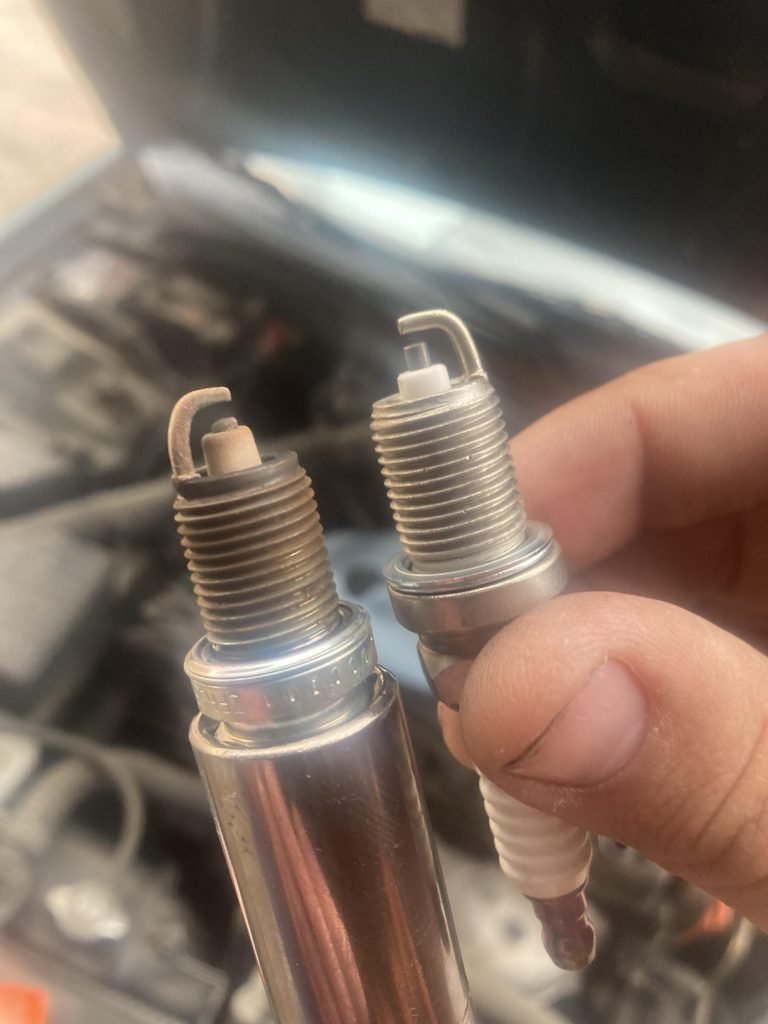
Have you ever wondered how long it takes to change a spark plug? If you’re like most car owners, you might think it’s a big job that requires a mechanic’s expertise and hours of work.
But what if you could do it yourself, quickly and easily? Knowing the time it takes to change a spark plug can save you money and give you confidence in maintaining your vehicle. You’ll discover exactly how long the process takes and get simple tips to make it even faster.
Keep reading—you might be surprised at how simple this task really is.
Credit: www.chase.com
Tools Needed
Changing a spark plug might seem simple, but having the right tools makes all the difference. Without them, you could waste time or even damage your engine. Let’s look at what you truly need to get the job done efficiently and safely.
Essential Equipment
- Spark Plug Socket:This specialized socket fits snugly around the spark plug and prevents damage to the ceramic insulator. It usually has a rubber insert or magnet to hold the plug in place.
- Ratchet Wrench:A good ratchet wrench helps you loosen and tighten the spark plug with ease. Choose one with a comfortable grip to avoid hand fatigue.
- Extension Bar:Sometimes spark plugs sit deep inside the engine. An extension bar helps you reach those hard-to-access spots without struggling.
- Gap Gauge:Ensuring the spark plug gap is correct is crucial for optimal engine performance. A simple feeler gauge or a dedicated spark plug gap tool works well.
- Torque Wrench:Over-tightening or under-tightening can cause problems. A torque wrench lets you apply the exact amount of force recommended by your car’s manual.
Optional Accessories
- Dielectric Grease:Applying a small amount on the spark plug boot can prevent moisture and corrosion, extending the life of your connection.
- Compressed Air:Before removing the spark plug, blowing out debris from the spark plug hole prevents dirt from falling into the cylinder.
- Anti-Seize Compound:Although not always necessary, a tiny dab on the spark plug threads can prevent them from seizing in the cylinder head, especially in older engines.
- Magnetic Pickup Tool:If you drop a spark plug or small parts in tight spaces, this tool can save you time and frustration.
Have you ever started a repair only to realize you’re missing a crucial tool? Preparing your toolkit ahead saves you from that headache. Which of these tools do you already have, and which ones might you need to grab before your next spark plug change?

Credit: beachautomotive.com
Preparing Your Vehicle
Before changing a spark plug, proper preparation is essential for a smooth process. Preparing your vehicle saves time and prevents damage. It also keeps you safe while working on the engine.
Safety Precautions
Start by parking your vehicle on a flat surface. Turn off the engine and let it cool down. Hot engine parts can cause burns. Wear gloves and safety glasses to protect your hands and eyes. Disconnect the battery to avoid electric shocks. Keep a fire extinguisher nearby just in case. Avoid wearing loose clothing that can get caught in engine parts.
Accessing The Spark Plugs
Open the hood and locate the spark plugs. Check your vehicle’s manual if you are unsure about the location. Remove any covers or components blocking access to the spark plugs. Use a clean cloth to wipe around the spark plug area to stop dirt from falling inside. Make sure you have the right tools, such as a spark plug socket and ratchet. Clear access helps you work faster and reduces the risk of damage.
Step-by-step Replacement
Changing a spark plug is a straightforward task that you can do yourself with just a few tools. Knowing the exact steps helps you avoid common mistakes that can cost time and money. Let’s walk through the process so you can tackle your spark plug replacement confidently and efficiently.
Removing Old Spark Plugs
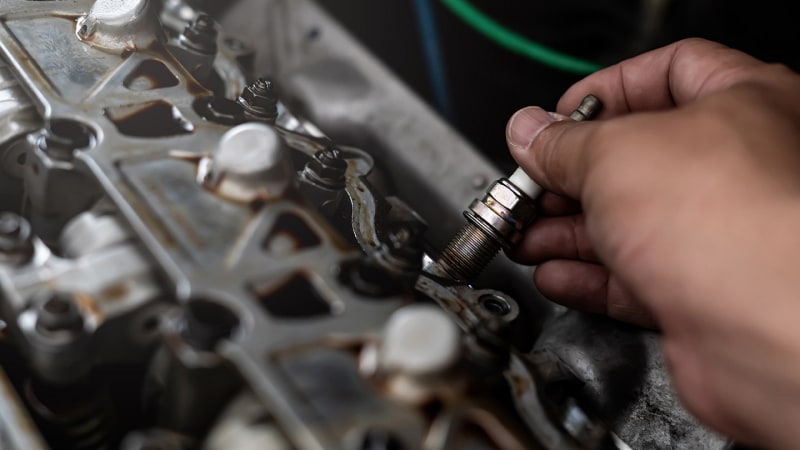
Start by locating the spark plugs on your engine. You might need to remove some covers or wires to access them easily.
Use a spark plug socket and ratchet to loosen and remove the old plugs carefully. Avoid forcing them out; a gentle wiggle usually helps if they feel stuck.
Keep track of the order you remove each plug. This prevents confusion when you install the new ones and ensures your engine runs smoothly.
Checking And Gapping New Plugs
Before installing, inspect your new spark plugs for any damage or manufacturing defects. Even new parts can sometimes have issues.
Use a spark plug gap tool to measure the gap between the electrodes. Your vehicle’s manual will tell you the exact gap size needed.
Adjust the gap by gently bending the electrode if it’s too wide or too narrow. This step is crucial for proper engine performance and fuel efficiency.
Installing New Spark Plugs
Start threading the new spark plugs by hand to avoid cross-threading. This keeps the threads safe and makes installation smoother.
Once hand-tight, use the ratchet to snug them down. Don’t over-tighten, as this can damage the threads or the plug itself.
Reconnect any wires or covers you removed earlier. Double-check each connection to prevent misfires or engine issues.
Have you ever rushed through a spark plug change only to find the engine running rough afterward? Taking your time with each step makes a noticeable difference in how your car performs.
Time Estimates
Knowing how long it takes to change a spark plug helps plan your car maintenance. Time varies based on skill and tools. This section breaks down time estimates for different levels of experience. It also covers factors that can make the task quicker or slower.
Average Time For Beginners
Beginners usually take about 30 to 60 minutes to change a spark plug. Learning the steps and handling tools carefully adds time. Reading the car manual and finding the spark plugs can slow the process. Patience is key for a good job.
Time For Experienced Mechanics
Experienced mechanics can change spark plugs in 10 to 20 minutes. They know the exact tools and steps needed. Quick removal and installation come with practice. This speed helps in workshops and busy garages.
Factors That Affect Duration
- Car Model:Some cars have easy access to spark plugs, others don’t.
- Number of Spark Plugs:More plugs mean more time needed.
- Tools Available:Proper tools speed up the job.
- Condition of Spark Plugs:Old or stuck plugs take longer to remove.
- Experience Level:Skill and practice reduce time significantly.
Common Challenges
Changing a spark plug seems simple but has common challenges. These issues can slow down the process and cause frustration. Knowing how to face these challenges helps save time and avoid damage.
Dealing With Stuck Plugs
Spark plugs can get stuck due to dirt or corrosion. Trying to force them can break the plug or damage the threads. Use penetrating oil and wait before loosening. A proper socket and steady pressure work best. Gentle rocking motion helps loosen tight plugs.
Avoiding Damage
Careless handling can damage spark plugs or the engine. Avoid overtightening new plugs to prevent thread stripping. Use a torque wrench for correct tightness. Keep the spark plug gap correct to ensure good engine performance. Handle plugs carefully to avoid cracking the ceramic insulator.
Troubleshooting
Problems may appear after installing new spark plugs. Engine misfires or rough idling signal issues. Check plug gaps and wiring connections first. Look for signs of fouling or wear on the plugs. Replace plugs if damage or contamination is visible. Clean the area around the plug to prevent dirt entry during replacement.

Credit: www.youtube.com
Maintenance Tips
Proper maintenance of spark plugs keeps your engine running smoothly. Regular checks and timely replacements improve fuel efficiency and reduce emissions. Knowing how to care for spark plugs saves time and money on repairs.
When To Replace Spark Plugs
Spark plugs usually last between 30,000 and 100,000 miles. Check the owner’s manual for your vehicle’s specific recommendation. Replace plugs sooner if the engine shows poor performance or rough idling. Regular replacement prevents engine misfires and starting problems.
Signs Of Worn Plugs
- Engine misfires or runs unevenly
- Reduced fuel efficiency
- Difficulty starting the engine
- Rough idling or stalling
- Unusual engine noises
Spotting these signs early helps avoid bigger engine issues. Inspect spark plugs to confirm wear or damage.
Extending Spark Plug Life
- Use the correct spark plug type for your vehicle
- Keep the ignition system well maintained
- Check and adjust spark plug gaps regularly
- Avoid driving habits that cause excessive engine stress
- Keep the engine clean to prevent deposits on plugs
Following these tips can extend spark plug life and improve engine health.
Frequently Asked Questions
How Long Does It Take To Change One Spark Plug?
Changing one spark plug typically takes about 10 to 20 minutes. The time varies based on your vehicle’s engine type and your experience level. Simple engines allow quicker changes, while complex setups may require extra time for access and tools.
Can I Change Spark Plugs Myself At Home?
Yes, you can change spark plugs at home with basic tools. Ensure you have the right replacement plugs and a spark plug socket. Follow your vehicle’s manual for the correct procedure to avoid damage and ensure proper installation.
How Often Should Spark Plugs Be Replaced?
Spark plugs should be replaced every 30,000 to 100,000 miles, depending on the type. Consult your vehicle’s manual for specific intervals. Regular replacement helps maintain engine efficiency, fuel economy, and smooth performance.
What Affects The Time To Change Spark Plugs?
Factors like engine design, tool availability, and experience affect spark plug change time. Access to spark plugs can be tight in some engines. More cylinders and complicated layouts increase the job duration.
Conclusion
Changing a spark plug takes time, but it’s manageable. For beginners, expect about 30 minutes. With practice, you can do it faster. Always have the right tools ready. Safety is crucial, so work on a cool engine. Regular maintenance extends your car’s life.
Check your car’s manual for specific instructions. Remember, patience is key. Take your time to do it right. Mistakes can lead to engine problems. So, be careful and thorough. Save time and money by learning this skill. Enjoy smoother car performance with fresh spark plugs.
Your car will thank you.





