Have you ever felt your car shaking or noticed it struggling to start? These signs might point to a simple but critical issue: a bad spark plug.
You might wonder, can a bad spark plug cause a misfire? The answer is yes, and understanding why this happens can save you time, money, and a lot of frustration. You’ll discover how a faulty spark plug affects your engine’s performance and what you can do to fix it before it turns into a bigger problem.
Keep reading to find out how to keep your car running smoothly and avoid unexpected breakdowns.
Credit: autopartswd.com
Role Of Spark Plugs In Engine Performance
The role of spark plugs in engine performance is often underestimated, yet they are vital for your vehicle’s smooth operation. Spark plugs ignite the air-fuel mixture in the combustion chamber, which powers your engine. Without a properly functioning spark plug, your engine can misfire, lose power, or consume more fuel.
Think about the last time your car hesitated or ran roughly. It might have been a spark plug issue. Understanding how spark plugs work helps you spot problems early and maintain your engine’s health effectively.
How Spark Plugs Ignite Fuel
Spark plugs create a tiny electrical spark that ignites the fuel-air mixture inside the engine’s cylinder. This controlled explosion pushes the piston down, generating the power your car needs to move. The timing and strength of this spark are critical for efficient combustion.
If the spark is weak or missing, the fuel won’t burn properly, causing a misfire. This leads to rough idling, reduced power, and higher emissions. You might notice a drop in fuel efficiency or hear unusual engine noises as a result.
Types Of Spark Plugs And Their Impact
Not all spark plugs are the same. Different types affect engine performance in unique ways. Choosing the right spark plug can improve fuel efficiency, reduce emissions, and extend engine life.
- Copper Spark Plugs:Offer excellent conductivity but wear out faster. They are usually cheaper and suitable for older vehicles.
- Platinum Spark Plugs:Last longer than copper and provide better performance. They work well in modern engines.
- Iridium Spark Plugs:Known for durability and strong sparks. They improve ignition and are ideal for high-performance engines.
Have you checked what type of spark plugs your car uses? Using the wrong kind can lead to frequent misfires and engine issues. Matching the right spark plug to your engine ensures optimal performance and fewer surprises on the road.
Causes Of Engine Misfires
Engine misfires can be frustrating and confusing, especially when your car suddenly loses power or runs roughly. Understanding the causes behind these misfires is essential to fixing the problem quickly and preventing further damage. Various factors can trigger a misfire, ranging from simple spark plug issues to more complex mechanical failures.
Common Symptoms Of Misfires
Noticing a misfire isn’t always obvious at first. Your engine might hesitate or jerk during acceleration, or your car could feel like it’s running on fewer cylinders than usual. You might also experience:
- Rough idling or vibrations when the car is stationary
- Sudden loss of power or poor fuel efficiency
- Check engine light turning on
- Unusual exhaust smells or black smoke
Have you ever felt your car stutter just as you press the gas pedal? That’s a classic sign that a misfire might be lurking under the hood, signaling you to take a closer look before it worsens.
Electrical Vs Mechanical Issues
Misfires usually fall into two broad categories: electrical and mechanical. Electrical issues often involve the ignition system, such as faulty spark plugs, bad ignition coils, or wiring problems. A bad spark plug, for instance, can fail to ignite the fuel-air mixture properly, causing one or more cylinders to misfire.
On the mechanical side, problems might include worn piston rings, damaged valves, or fuel injector issues that disrupt proper combustion. These mechanical faults can make the engine struggle to maintain smooth operation, leading to misfires that are harder to diagnose.
Understanding whether your misfire comes from an electrical or mechanical source can save you time and money. Have you checked the spark plugs recently? Sometimes, a simple spark plug replacement can restore your engine’s smoothness and avoid costly repairs.
How A Bad Spark Plug Triggers Misfires
A bad spark plug can cause engine misfires by disrupting the ignition process. Spark plugs create sparks that ignite the fuel-air mixture in the engine cylinders. When a spark plug wears out or gets damaged, it struggles to produce a strong spark. This weak spark leads to incomplete combustion or no combustion at all. The engine then misfires, causing rough running and reduced power.
Misfires can harm the engine over time and reduce fuel efficiency. Understanding how spark plugs affect combustion helps in spotting issues early. Regular checks and replacements keep the engine running smoothly and prevent misfires.
Signs Of Worn Or Damaged Spark Plugs
- Engine runs rough or shakes at idle
- Difficulty starting the engine
- Poor fuel economy
- Loss of power during acceleration
- Check engine light turns on
- Black, oily, or sooty deposits on spark plugs
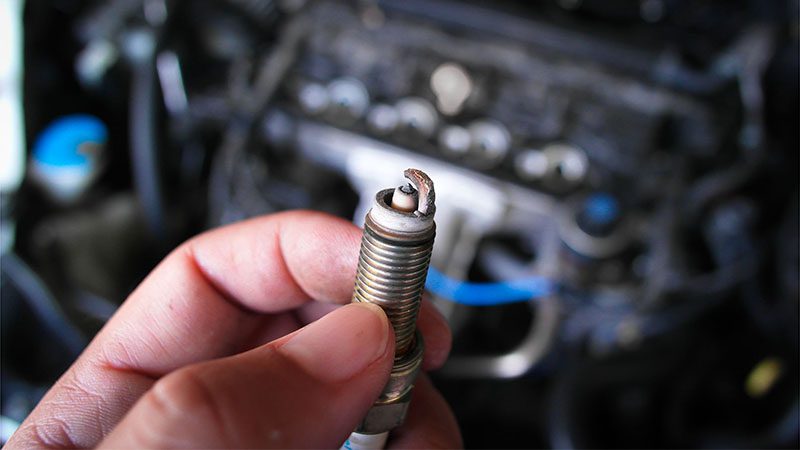
- Visible cracks or wear on the spark plug tip
Impact On Combustion Efficiency
Bad spark plugs reduce spark strength and timing accuracy. Weak sparks cause incomplete burning of fuel. This leads to wasted fuel and increased emissions. The engine loses power and runs unevenly. Misfires increase stress on other engine parts. Overall combustion efficiency drops, making the engine less reliable.
Diagnosing Spark Plug Issues
Diagnosing spark plug issues is key to fixing engine misfires. Bad spark plugs can cause rough idling, poor acceleration, and higher fuel use. Finding the problem early saves time and money. You can spot many spark plug problems by checking them visually or using diagnostic tools. Both methods give clues about the spark plug’s health and help decide if replacement is needed.
Visual Inspection Tips
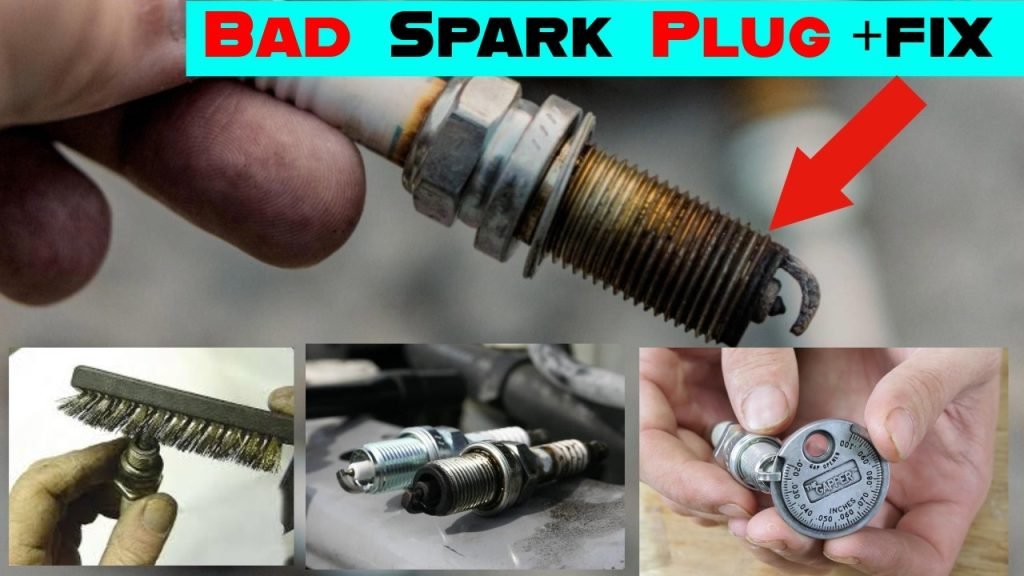
Start by removing the spark plug from the engine. Look at the electrode and insulator for damage or wear. Check for these signs:
- Black, sooty deposits indicate a rich fuel mixture or oil leak.
- White, blistered insulator means the engine runs too hot.
- Cracks or chips on the ceramic insulator show physical damage.
- Worn or rounded electrodes reduce spark quality.
- Wet or oily plugs suggest oil entering the combustion chamber.
These visual clues help identify the spark plug condition. Clean or replace plugs that show serious wear or damage.
Using Diagnostic Tools
Diagnostic tools provide a deeper look at spark plug and engine performance. A code reader or OBD-II scanner can detect misfire codes linked to specific cylinders. This narrows down which spark plug may be faulty.
Multimeters test spark plug resistance and continuity. High resistance means the plug may not fire properly. Specialized spark plug testers simulate engine conditions to check spark strength.
These tools help confirm the spark plug’s role in a misfire. They guide repairs with precise data rather than guesswork.
Fixing Misfires Caused By Spark Plugs
Fixing misfires caused by spark plugs is essential for smooth engine performance. Misfires can lead to rough idling, poor fuel economy, and increased emissions. Identifying whether to clean or replace the spark plugs helps restore engine function quickly. Proper maintenance prevents future misfires and keeps your vehicle running efficiently.
Cleaning Vs Replacing Spark Plugs
Cleaning spark plugs can remove carbon buildup and light deposits. Use a wire brush or spark plug cleaner tool for this task. Cleaning works well if the plugs show minor wear and deposits.
Replacing spark plugs is necessary when they are heavily worn or damaged. Signs include eroded electrodes, cracked insulators, or persistent misfires after cleaning. New plugs ensure better spark and engine efficiency.
Choosing between cleaning and replacing depends on the plug’s condition and vehicle age. Regular inspection helps decide the best action.
Maintenance Tips To Prevent Misfires
- Check spark plugs every 30,000 miles or as recommended.
- Use the correct spark plug type for your engine.
- Keep ignition wires and coils in good condition.
- Avoid engine overheating to protect spark plugs.
- Use quality fuel to reduce deposits on plugs.
- Have a professional inspect your ignition system regularly.

Credit: www.odyclub.com
Other Engine Components That Cause Misfires
Engine misfires can stem from various parts beyond spark plugs. Other components may fail and disrupt the engine’s smooth running. Identifying these parts helps in fixing the misfire quickly. Two common causes include ignition system issues and fuel delivery problems.
Ignition Coils And Wires
Ignition coils create the spark needed for combustion. Faulty coils can cause weak or no spark. This leads to misfires and rough engine performance. Old or damaged ignition wires also affect spark delivery. They can cause delays or no spark at all. Regular inspection and replacement keep the ignition system healthy.
Fuel System Problems
The fuel system delivers gasoline to the engine cylinders. Clogged fuel injectors reduce fuel flow and cause misfires. A failing fuel pump can also lower fuel pressure. This means the engine does not get enough fuel to run well. Dirty fuel filters block fuel flow and harm engine performance. Maintaining the fuel system ensures steady fuel supply and smooth running.

Credit: www.reddit.com
Frequently Asked Questions
Can A Bad Spark Plug Cause Engine Misfire?
Yes, a bad spark plug can cause engine misfire by failing to ignite the air-fuel mixture. This disrupts combustion, leading to rough engine performance and reduced power.
What Are Signs Of A Faulty Spark Plug?
Signs include rough idling, poor acceleration, decreased fuel efficiency, and engine misfire. You might also notice difficulty starting the engine or increased exhaust emissions.
How Often Should Spark Plugs Be Replaced?
Spark plugs typically need replacement every 30,000 to 100,000 miles. Check your vehicle’s manual for specific intervals to maintain optimal engine performance and avoid misfires.
Can Misfires Damage The Catalytic Converter?
Yes, persistent misfires can damage the catalytic converter due to unburned fuel entering the exhaust. This can lead to costly repairs if not addressed promptly.
Conclusion
A bad spark plug can definitely cause a misfire. Misfires affect engine performance and fuel efficiency. Identifying faulty spark plugs early can save you money. Regular maintenance is key. Keep an eye out for signs like rough idling. Don’t ignore the check engine light.
Replacing a bad spark plug is usually simple. This can restore your car’s performance. Remember, a smooth-running engine relies on good spark plugs. So, check and replace them as needed. Your car will thank you for it!





